
Beschreibung
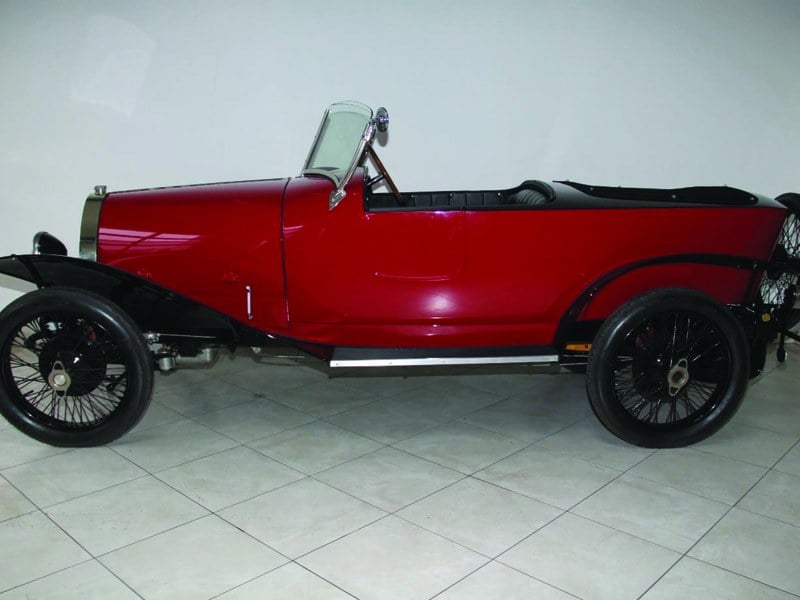
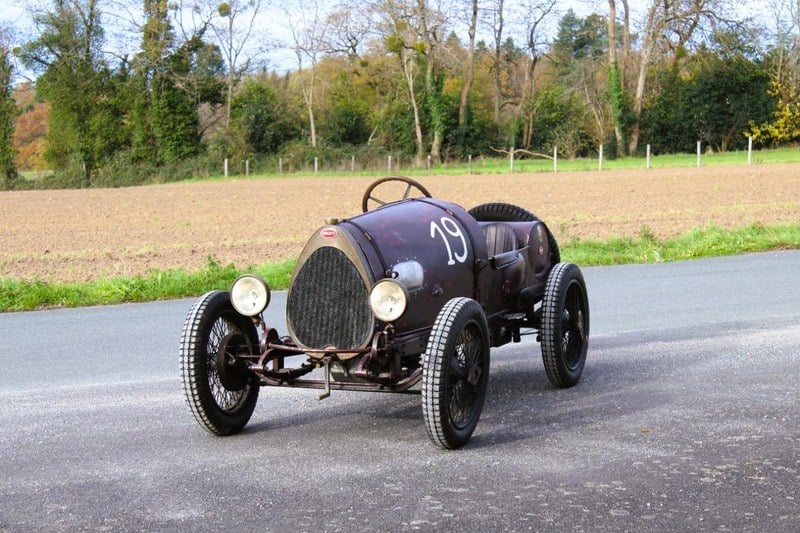
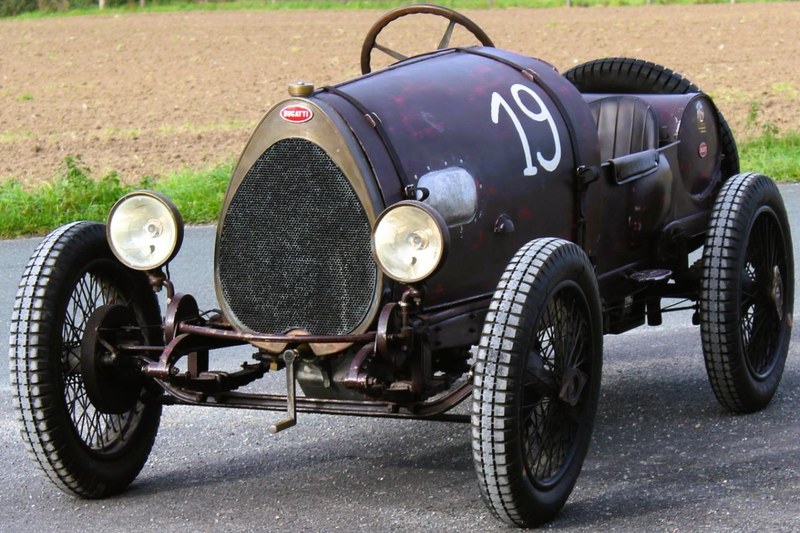
BUGATTI 13
PUR SANG
4 Zylinder, 1500 cm³
Doppelzündung
Zwei Vergaser
Fährt sehr gut
Französische Zulassungsbescheinigung
FIA-Papiere
- details above
Die Bugatti Type 13 « Brescia » gehört zu den legendärsten Rennwagen der Geschichte der Automobilwelt, produziert zwischen 1920 und 1926. Hier sind seine Haupteigenschaften und seine Geschichte:
Geschichte und Positionierung
Die Type 13 wurde bereits 1910 von Ettore Bugatti entworfen, doch seine berühmteste Version, die « Brescia », entstand nach dem Ersten Weltkrieg.
Sie trägt ihren Namen von ihrem überwältigenden Sieg beim Grand Prix des Voiturettes von Brescia 1921, bei dem die vier eingesetzten Type 13 die ersten vier Plätze belegten, gesteuert von Friderich, de Vizcaya, Baccoli und Marco.
Dieser Erfolg markierte einen Wendepunkt für Bugatti, der danach mehr als 2. 000 Exemplare der Brescia und ihrer Derivate (Type 22, Type 23, Type 27) verkaufte.
Die Brescia dominierte Bergrennen und Straßenevents in den 1920er Jahren dank Leichtigkeit, Robustheit und leistungsstarken Motors.
Technische Merkmale
Motor: Reihen-Vier, 1. 453 cm³ (Bohrung 68 mm x Hub 100 mm), 16 Ventile (4 pro Zylinder), 50 PS (Rennversion).
Getriebe: Viergang-Schaltgetriebe, Heckantrieb.
Fahrgestell: Leichte Stahlkonstruktion, invertierte Viertel-Elliptik-Federung (ab 1913).
Leistung:
Höchstgeschwindigkeit: ca. 130 km/ h (je nach Einstellung).
Gewicht: ca. 500 kg, was ihr außergewöhnliche Wendigkeit auf kurvenreichen Straßen und anspruchsvollen Rennstrecken verlieh.
Design:
Schlichte Linie, Kühlerschlitz in Hufeisenform, Speichenräder.
Karosserie offen (Roadster) oder Tourer, je nach Version.
Erfolge und Vermächtnis
Der Type 13 Brescia gewann zahlreiche Rennen in Europa, insbesondere in Italien, Frankreich und Großbritannien, und trug dazu bei, Bugatti als Hersteller unbesiegbare Rennwagen zu etablieren.
Sie inspirierte Folgemodelle wie die Type 22 (mit langem Radstand) und die Type 23 sowie die berühmte Type 35.
Die Brescia gilt als eines der ersten reinen Sportwagen-Modelle, die Leichtbau, Leistung und Fahrbarkeit vereinen.