Beschreibung
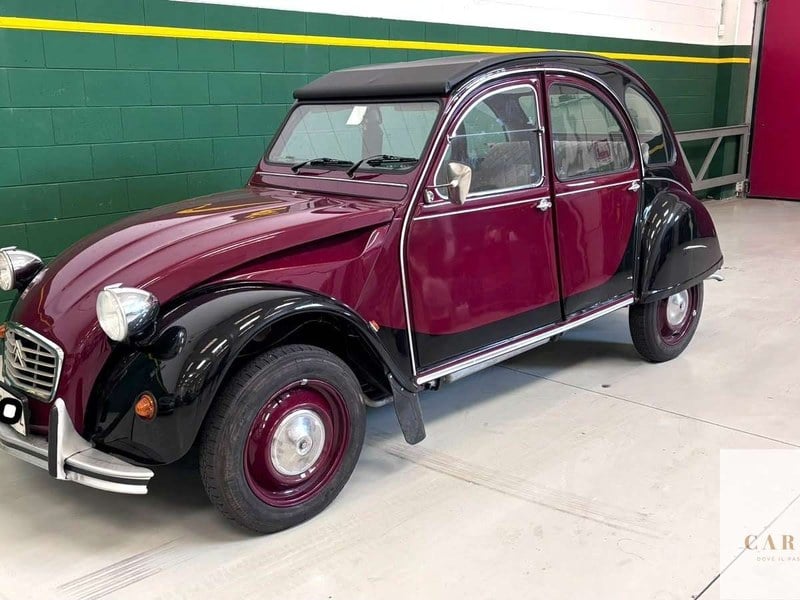
Der Citroën 2CV AZKA von 1979 gehört zur letzten großen Linie der mythologischen „Deuche“, jener der 2CV6. Damals ist die 2CV nicht mehr das rustikale Auto der Anfänge, sondern ein Symbol der Freiheit, eine Lebensart, die in einer immer stärker normierten Automobilwelt ihres eigenen Stils hat. Die AZKA-Version repräsentiert zu dieser Zeit die Spitzenklasse der 2CV-Baureihe, eine technische und ästhetische Vollendung eines Modells, das mehr als drei Jahrzehnte zuvor auf den Markt kam.
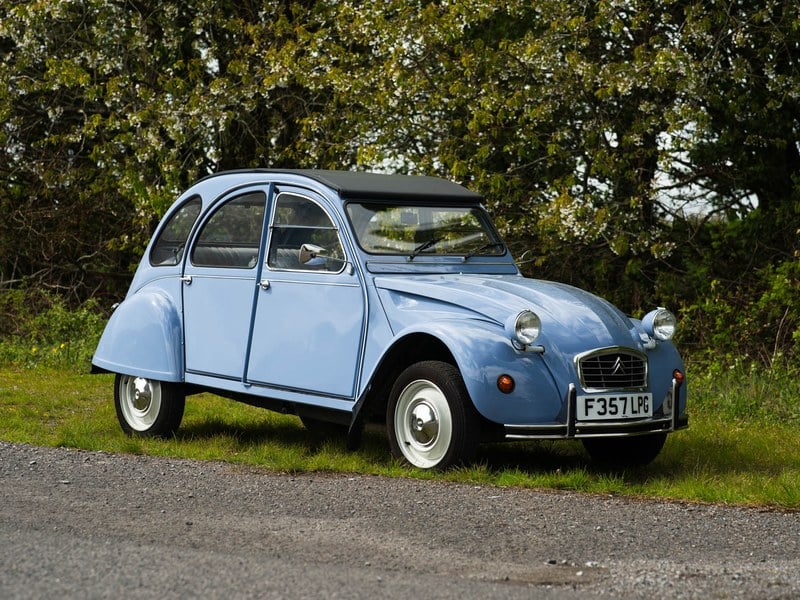
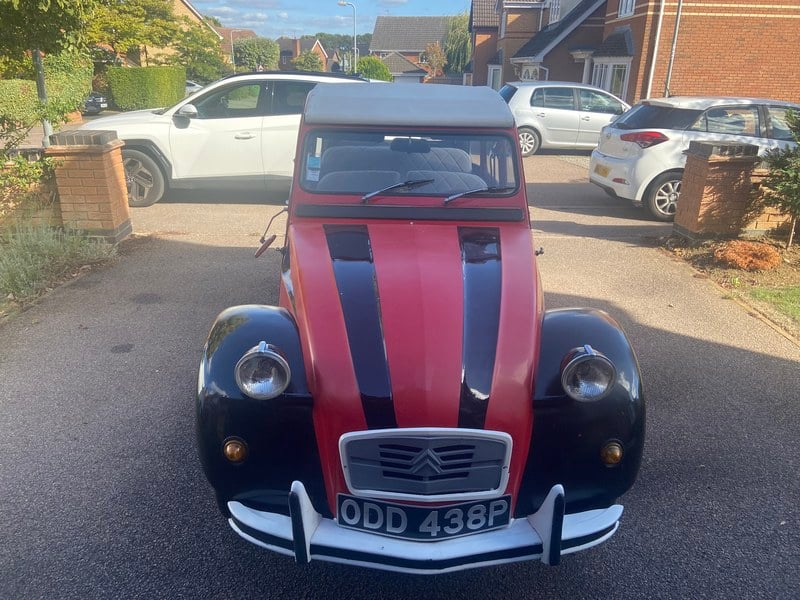
Ende der 1970er Jahre sucht Citroën danach, sein populäres Kleinwagen-Programm am Leben zu erhalten, trotz der Ankunft modernerer Modelle wie Dyane oder Visa. Die 2CV6 AZKA ist die Antwort auf diese Herausforderung: eine modernisierte 2CV, die ihrem Ursprungsgedanken treu bleibt. Außen behält sie ihre unverwechselbaren Formen, ihre abgerundeten Kotflügel, runden Scheinwerfer und das Stoffverdeck, doch sie stattet sich mit einer kompletteren Ausstattung und einer feineren Verarbeitung aus als die Vorgänger.
Unter der Haube steckt der luftgekühlte Boxer-Motor mit 602 cm³ Hubraum, der aus der Dyane 6 stammt. Dieser kleine Motor leistet 29 PS bei 5. 750 min⁻¹, was eine Reisegeschwindigkeit von rund 115 km/ h auf gerader Strecke ermöglicht. Das Viergang-Getriebe ist vollständig synchronisiert und sorgt für eine sanftere Fahrweise als bei den 2CV der vorangehenden Jahrzehnte. Trotz seiner moderaten Leistung bleibt das Auto agil und erstaunlich wendig, nicht zuletzt dank des Leichtgewichts von 600 kg und seines weichen Fahrwerks, das Huckel und schlechte Straßen gelassen schluckt.
Der Innenraum der AZKA, so sparsam wie er im Vergleich zu zeitgenössischen Fahrzeugen wirkt, markiert einen Fortschritt. Man findet bequemere Sitze, eine bessere Geräuschdämmung und manchmal sogar eine Heckscheibenheizung oder Gurte mit Einrollern – ein Luxus für eine 2CV. Das Armaturenbrett, schlicht aber funktional, setzt das charakteristische zentrale Tacho-Display fort, und der Schalthebel behält seine berühmte „Regiestange“ bei.
Hergestellt in den Citroën-Werken in Levallois-Perret und Mangualde in Portugal, repräsentiert die 1979er 2CV AZKA die Reife des Modells. Sie steht am Ende einer Epoche, in der das Auto noch Synonym für Freiheit und Bescheidenheit war – fern von ostentativem Komfort. Diese Version markiert außerdem das Ende eines Zyklus: Sie gehört zu den letzten vor dem wahren Mythos der 2CV in den 1980er-Jahren, mit Sondermodellen wie der Charleston.
Die 1979er 2CV6 AZKA ist damit eine perfekte Zusammenfassung dessen, was die 2CV schon immer war: einfach, ausdauernd, fröhlich und zutiefst menschlich. Sie suchte nicht zu beeindrucken, sondern zu begleiten – und vielleicht ist daraus der Grund, warum sie jenseits ihrer Zeit zu einem wahren Mythos geworden ist.
Neu komplett restauriert, erhielt dieser 2CV eine vollständige Wiederaufbau, vom Fahrgestell bis zur Karosserie. Innen, außen, Motorhaube, Türen, Kotflügel… alles wurde ersetzt oder neu aufgearbeitet mit größter Sorgfalt.
Mechanisch einwandfrei: Zylinderköpfe, Kolben und Vergaser sind neu, und das Fahrzeug ist auf bleifreien Kraftstoff umgestellt worden. Sie hat nur wenige Kilometer seit der Restaurierung gelaufen. Die Reifen und der Lack sind ebenfalls neu. Ein umfangreiches Foto-Archiv sowie zahlreiche Belege dokumentieren die Qualität und Seriosität der durchgeführten Arbeiten.
Eine außergewöhnliche 2CV, kompromisslos, bereit für die Straße oder den Einstieg in eine schöne Sammlung.