Beschreibung
Fahrzeugdaten
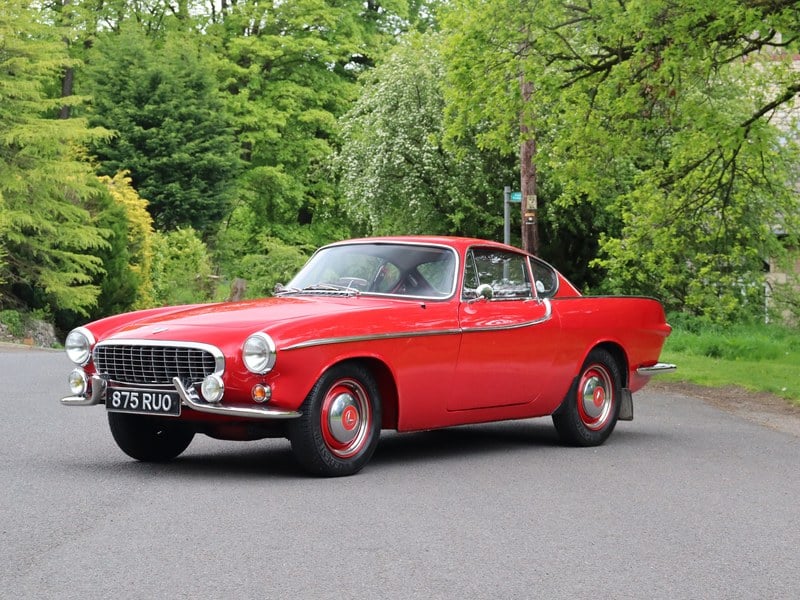
Registrierungsnummer: 875 RUO
Rahmennummer: 8214
TÜV: Juli 2026
Aktueller Eigentümer seit 2023
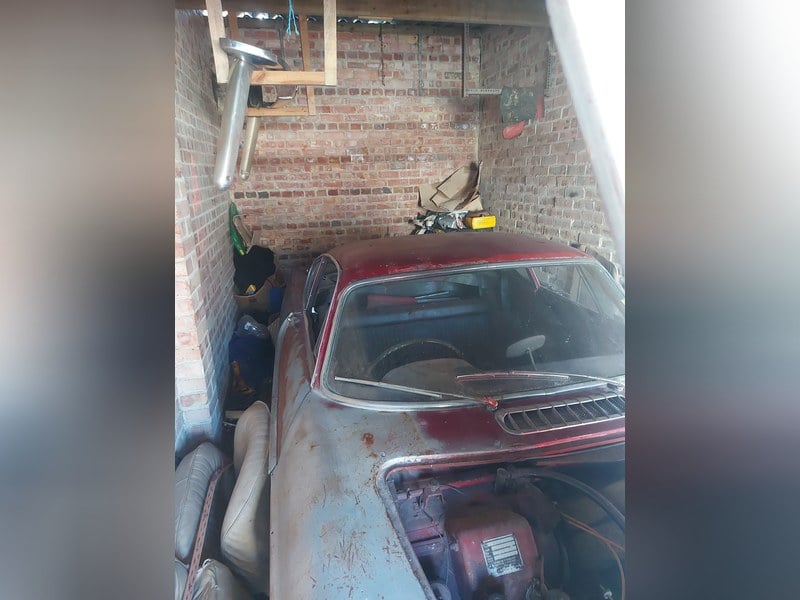
Betroffen von einer vorherigen Karosserie-Rekonstruktion und Neulackierung
Mechanische Überholung im letzten Eigentum
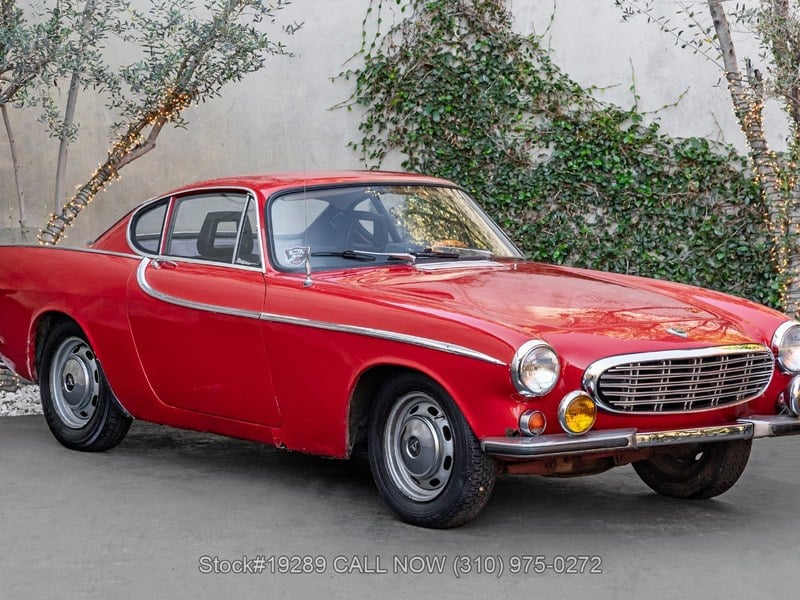
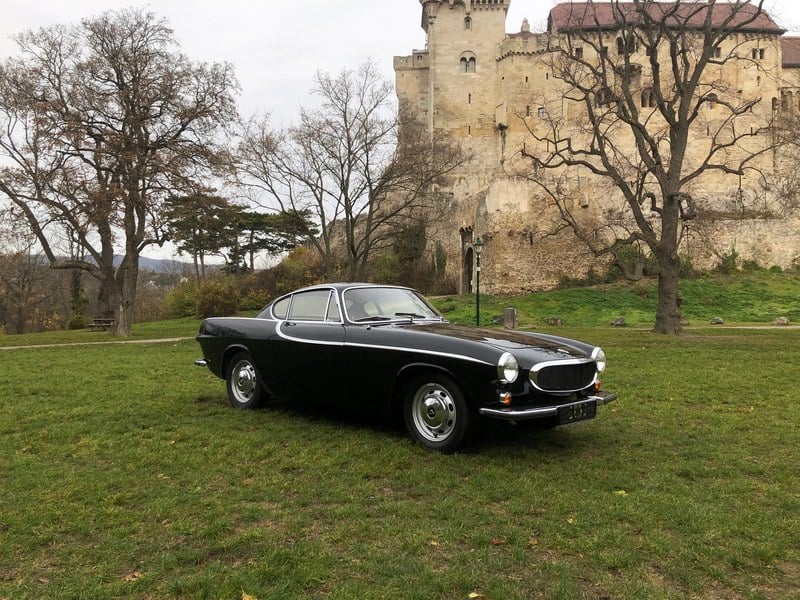
Frühes Exemplar mit Kuhhorn-Stoßfänger
Beste Restaurations-Gewinner mit dem Volvo-Enthusiastenclub im Jahr 2017
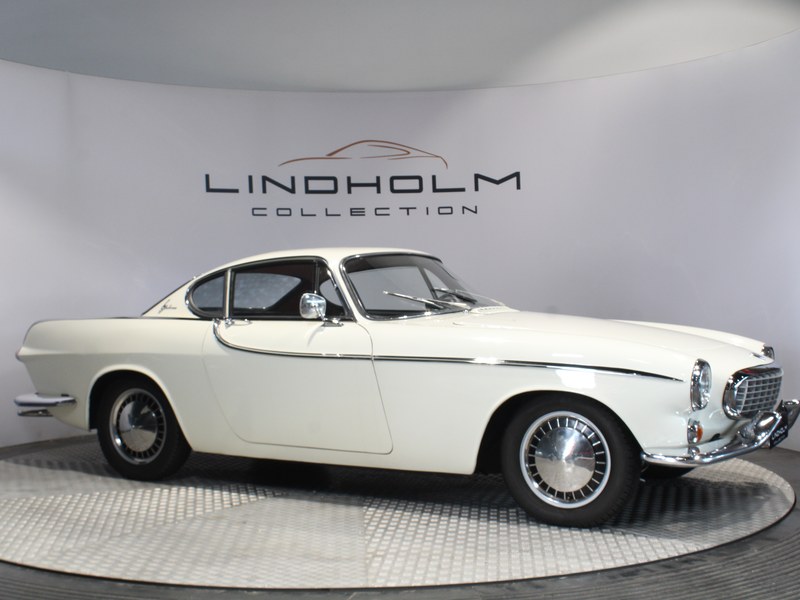
Basierend auf einer Designübung des in Schweden geborenen Pelle Petterson, während er unter der Anleitung von Pietro Frua arbeitete, als Frua- Atelier eine Tochtergesellschaft der italienischen Karosseriebau-Firma Ghia war: Die Gestaltung verdankt tatsächlich eine Anspielung an den VW-Karmann Ghia. Der Volvo P1800 Sportwagen wurde offiziell auf dem Brüsseler Automobilausstellung im Januar 1960 vorgestellt. Er kam erst nach einem Jahr in die Produktion, und die neue Zweitürer-Monocoque-Karosserie war mit Mechanik aus Volvos Amazon/ 122-Serie ausgestattet, mit unabhängiger Vorderradaufhängung, einer starr angelegten 'live' hinteren Achse mit Blattfedern und Scheiben-/ Trommelbremsen. Angetrieben von einem 1782cc OHV-Vierzylinder-Motor, der durch twin SU-Drosselklappen atmete und mit einem Viergang-Schaltgetriebe verbunden war, war er in der Lage, über 100 mph zu erreichen. Der P1800 wurde in den 1960er Jahren in der ATV-Serie 'The Saint' mit dem verstorbenen Sir Roger Moore verewigt. Das 'S' in 'P1800S' bezieht sich nach 1963 auf Schweden als Produktionsstandort. Frühere Autos wurden tatsächlich in Großbritannien von Jensen gebaut. Unabhängig von der Motorgröße (nach 1969 kam der B20-Motor zum Einsatz) wurden alle Autos als '1800' bezeichnet.
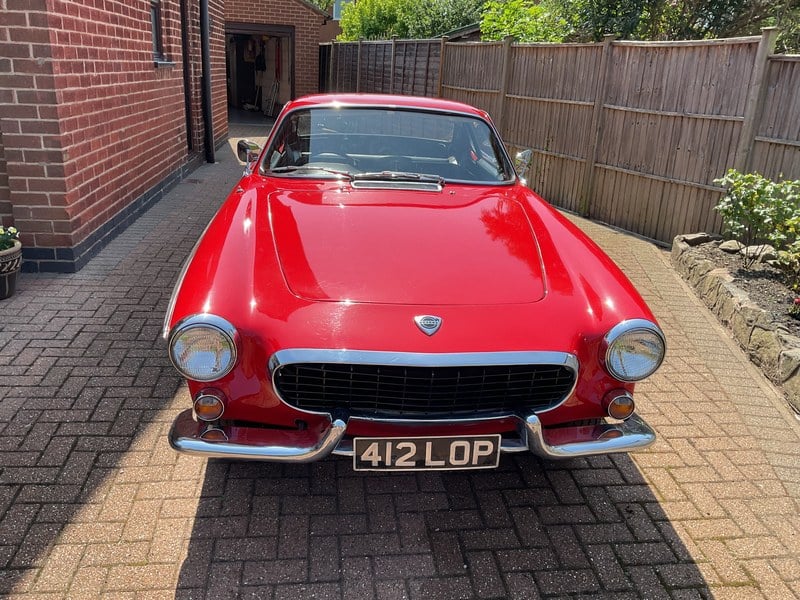
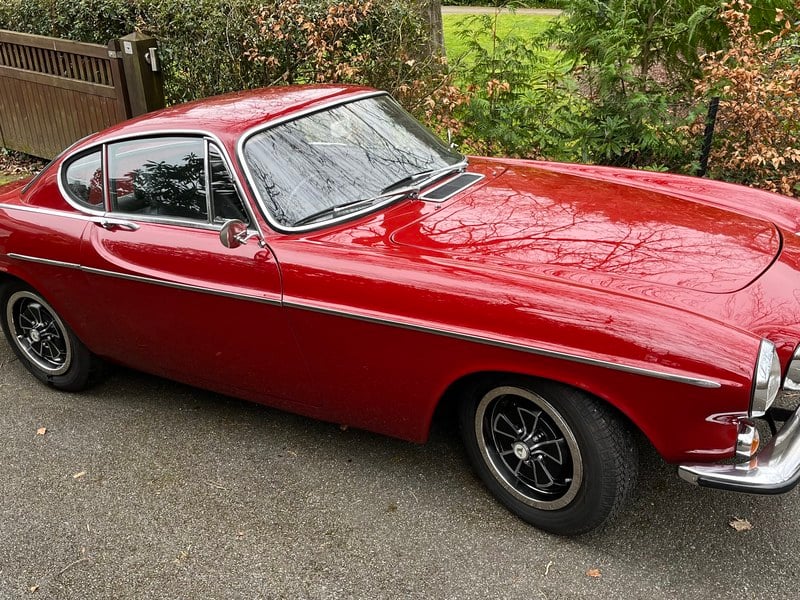
Am 25. November 1963 erstmals zugelassen, mit Vorbesitz bis 2023, handelt es sich um ein Exemplar der früheren P1800-Variante mit den gemeinhin als ‚Kuhhorn‘-Stoßfänger bezeichneten Modellen. Gebaut im Volvo-Werk Lundby in Göteborg, Schweden, nachdem die frühesten Autos von Jensen gebaut worden waren, bevor Qualitätskontrollprobleme auftraten. In den letzten Jahren war ‚875 RUO‘ Gegenstand einer Karosserie-Restauration und einer Neulackierung in dem, was man als Ferrari Rosso ca. 2015 annimmt. Tatsächlich gewann der hübsche Coupé (gestaltet von Pelle Petterson) 2017 einen Preis für Beste Restauration beim Volvo Enthusiasts Club. In der Vorbesitzzeit profitierte der P1800 von einer mechanischen Überholung, einschließlich:
Neue Kupfer-/ Nickel-Bremsleitungen (vollständiges Set), neue Kupfer-/ Nickel-Kupplungsleitung, neuer Kraftstofftank, 123 Electronic Zündverteiler/ neue Zündspule, Bremsservo und Bremsen-Sattel überholt, Twin-Drosselklappen überholt und abgestimmt, Retro-Sound-Radio (DAB) mit elektrischem Antennenanschluss und zwei neuen Lautsprechern, neue Dichtungen rundum inklusive Türen, Fenstern, Kofferraum und Motorhaube, Kühler neu überholt, Heizungsgebläse überholt, neue Wasserleitungen, neue Powerflex-Poly-Buchsen rundum, neue Federung (Stoßdämpfer und Federn), Mittelkonsole für zusätzliche Lautsprecher/ Schalter/ Anzeige eingefügt (kann bei Bedarf rückgängig gemacht werden), Edelstahl-Stoßfänger, neue Bremssättel, überholte Hinterbremsen, neue Deckenverkleidung und neue Türverkleidungen. ‚875 RUO‘ wird mit einer Sammlung alter MOTs bis 1979, einer großen Sammlung von Rechnungen und einem Original-Verkaufsprospekt angeboten. Zusätzlich alle damit verbundenen Club-Memorabilia. Wenn Sie nach einem Klassiker suchen, der zeitloses Design, Alltagstauglichkeit und echtes Sammler-Feeling vereint, steht der Volvo P1800 in einer eigenen Liga. Es ist nicht nur eine schöne Maschine – es ist ein Auto mit Charakter, Erbe und einem Ruf für Zuverlässigkeit, den nur wenige Klassiker erreicht.
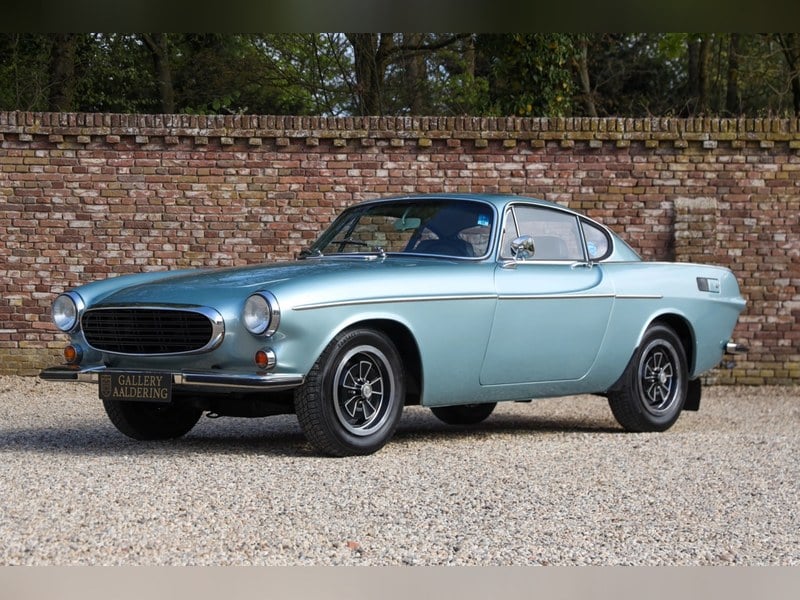
Zunächst zum Design. Die schlanken, zurückhaltenden Linien des P1800 sind unverwechselbar elegant, ohne protzig zu wirken. Es besitzt jene seltene Eigenschaft, zugleich kultiviert und sportlich zu wirken. Lange Motorhaube, sanft geschrägte Dachlinie und klare Chromakzente verleihen ihm eine Präsenz, die die Blicke auf sich zieht, ohne übertrieben zu wirken. Es ist ein Auto, das die Menschen bemerken – nicht, weil es schreit, sondern weil es von jeder Perspektive einfach richtig aussieht. Ob auf einer Ausstellung geparkt oder gemütlich einer Landstraße entlang, es fühlt sich besonders an, auf eine Weise, die moderne Autos oft schwerlich reproduzieren können.
Dann gibt es seinen kulturellen Reiz. Der P1800 wurde durch seine Verbindung mit klassischem Fernsehen weithin bekannt und festigte seinen Platz in der Automobilgeschichte. Einen solchen zu besitzen, bedeutet nicht nur, ein Auto zu haben – es bedeutet, ein Stück dieser Geschichte zu besitzen. Es trägt eine gewisse coole Ausstrahlung, die über Spezifikationen und Pferdestärken hinausgeht.
Doch was den P1800 wirklich auszeichnet, ist etwas, das viele Klassiker nicht bieten können: Alltagstauglichkeit. Dies ist kein verletzliche, launische Maschine, die ständige Aufmerksamkeit braucht, um laufbereit zu bleiben. Volvo baute seinen Ruf auf Haltbarkeit, und der P1800 reflektiert diese Philosophie. Mit ordnungsgemäßer Wartung ist es ein Auto, das man tatsächlich regelmäßig fahren und genießen kann, nicht nur in einer Garage polieren. Teileverfügbarkeit ist gut, die Mechanik ist geradlinig, und es gilt weithin als einer der zuverlässigeren Klassiker, die man besitzen kann.
Hinter dem Lenkrad ist das Fahrerlebnis fesselnd, ohne einschüchternd zu wirken. Es vermittelt dieses klassische, verbundene Fahrerlebnis – mechanisch, ehrlich und einnehmend – ohne Geduld oder Toleranz zu verlangen, wie sie bei anspruchsvolleren Oldtimer-Kollegen nötig wären. Sowohl bei entspannten Wochenendausfahrten als auch bei längeren Touren fühlt es sich zu Hause.
Aus Sicht des Eigentümers ergibt sich außerdem eine kluge Balance. Es ist begehrenswert genug, um Wert zu erhalten und Interesse zu wecken, aber dennoch zugänglich im Vergleich zu vielen anderen Klassikern mit ähnlichem Reiz. Das bedeutet, Sie kaufen nicht nur ein Auto – Sie investieren bewusster in etwas, das eine nachhaltige Nachfrage und Anerkennung hat.
Und vielleicht am wichtigsten: Der P1800 hat Persönlichkeit. Er ist nicht generisch. Er hebt sich nicht in einer Reihe von Lookalike-Klassikern ab. Er hat eine eigene Identität – eine, die skandinavische Design-Empfindsamkeit mit einer still selbstbewussten Leistungscharakter kombiniert. Er wirkt authentisch, und genau diese Authentizität suchen viele Käufer, wenn sie in die Welt der klassischen Autos eintreten.
Kurz gesagt bietet der Volvo P1800 das komplette Paket: ikonisches Aussehen, reale Fahrbarkeit, historische Bedeutung und langfristige Attraktivität. Es ist ein Auto, das man bewundern, fahren und stolz besitzen kann. Für jeden, der einen Klassiker kaufen möchte, ist es nicht nur eine gute Wahl – es ist eine überzeugende Wahl.