Descrição
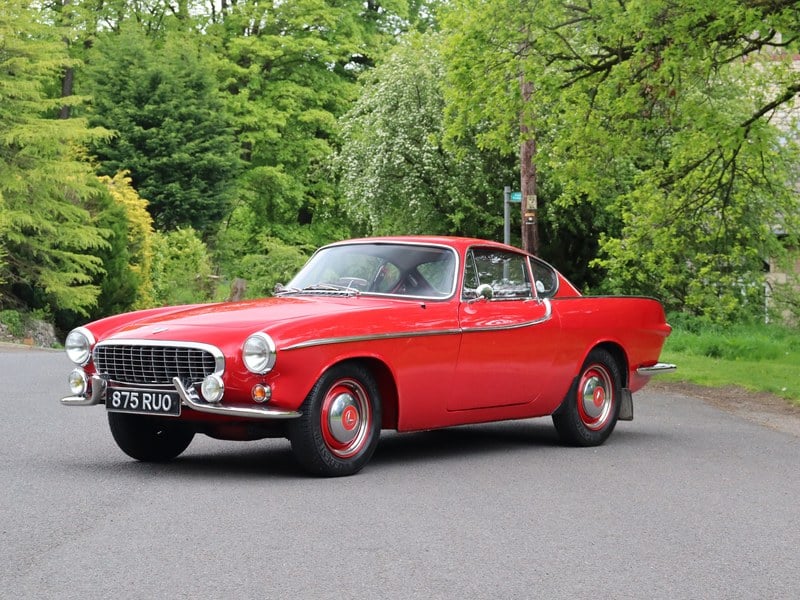
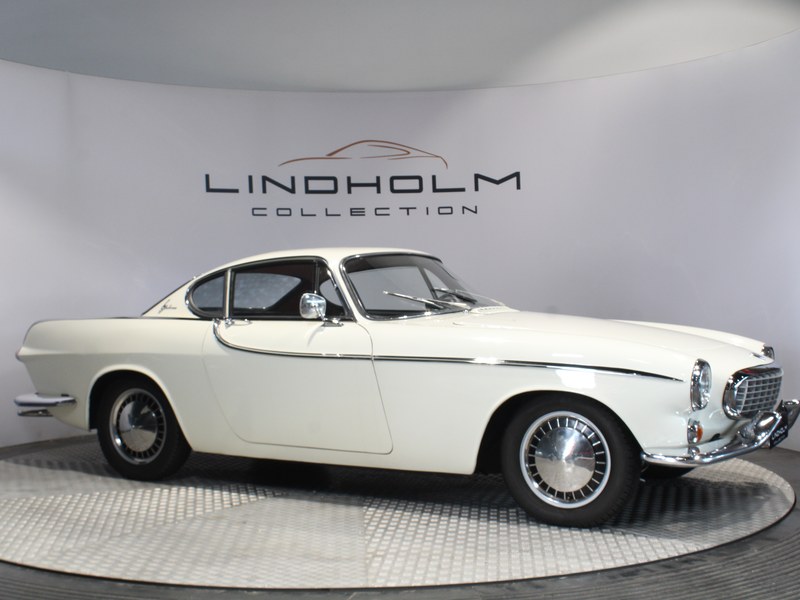
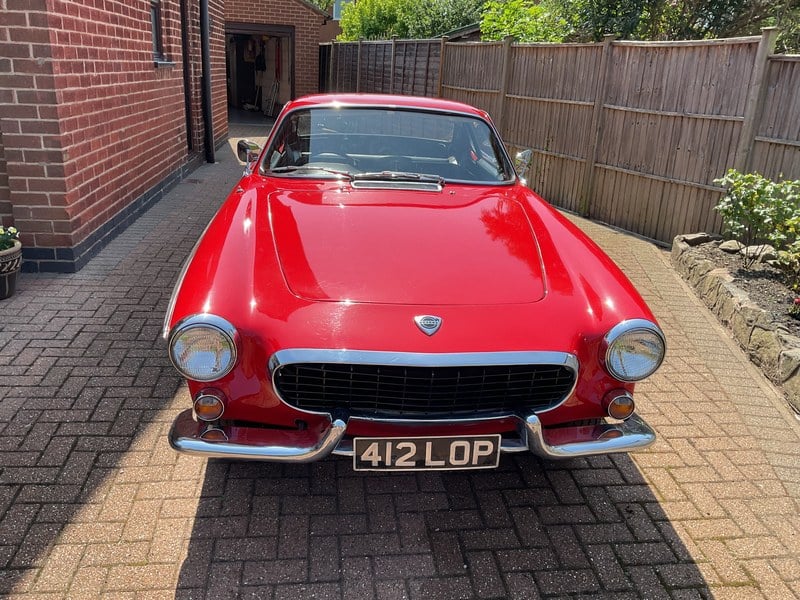
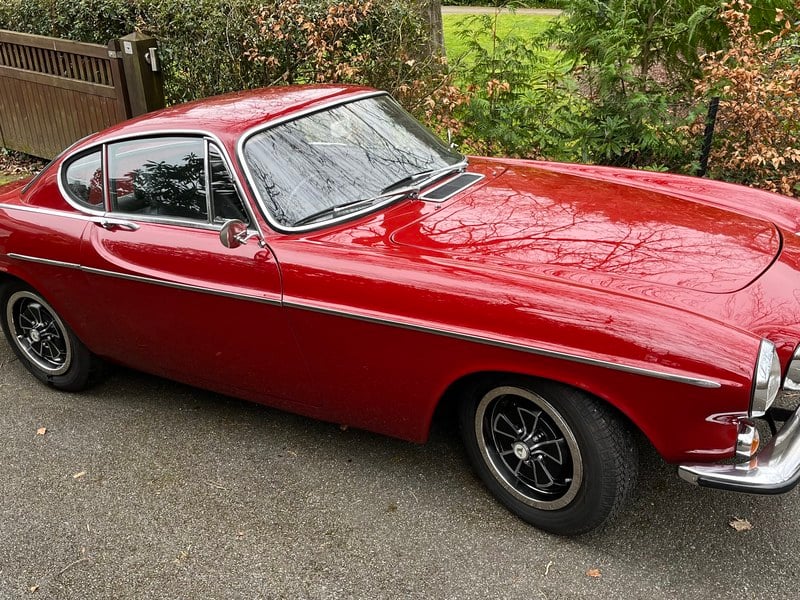
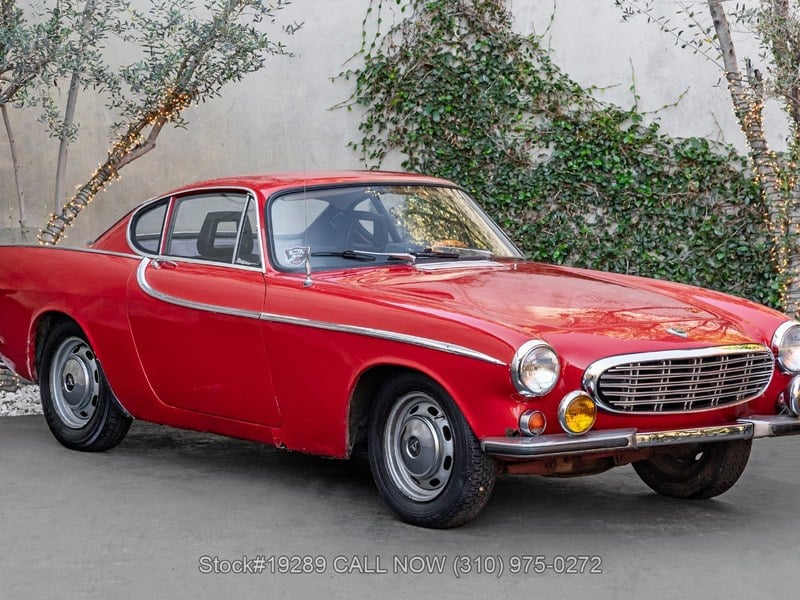
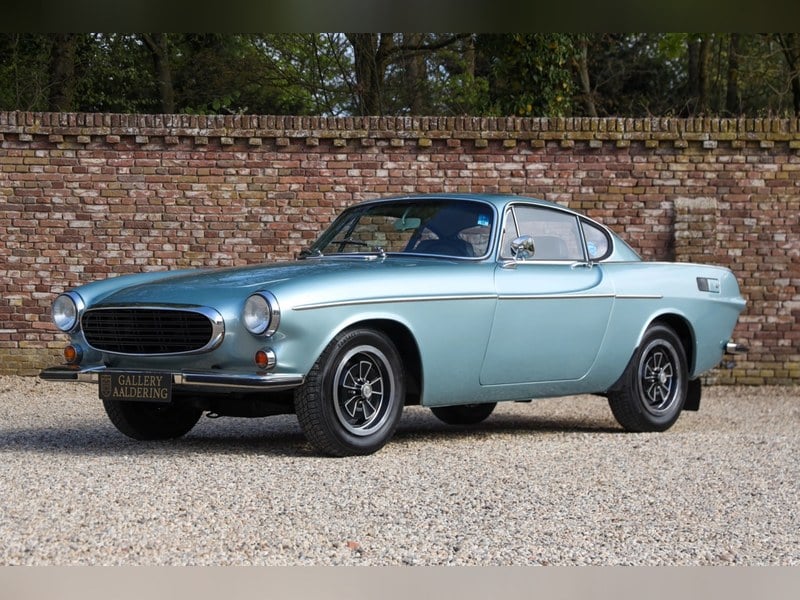
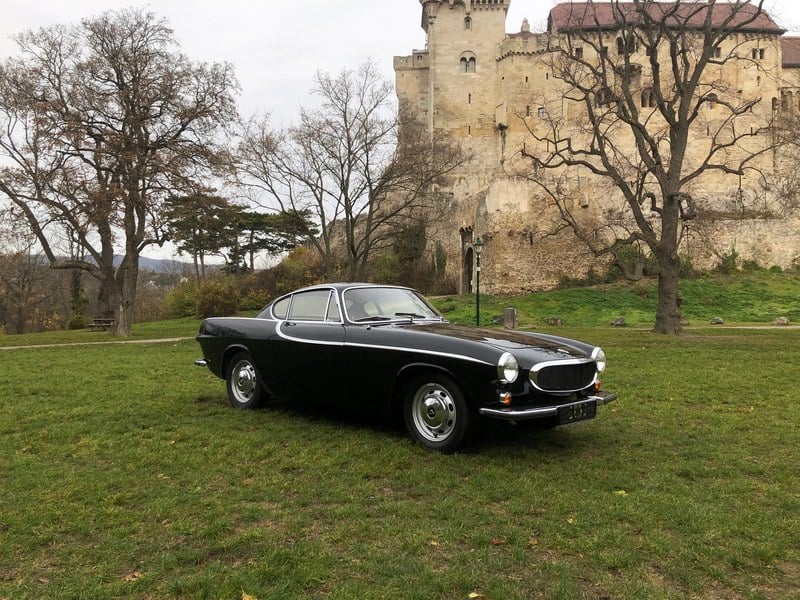
A Volvo P1800 ES representa a evolução final da linhagem P1800, um modelo que marca o auge técnico e estilístico deste coupé desportivo sueco lançado no início dos anos 1960. A P1800 aparece em 1961 como um elegante coupé 2+2 desenhado por Pelle Petterson sob a influência do estilista italiano Pietro Frua. Concebida mais como GT confortável e rápida do que como um verdadeiro desportivo, deve grande parte da sua fama à série de televisão The Saint, na qual Roger Moore faz dele o seu carro fetiche.
Ao longo da década, o automóvel evolui progressivamente. O motor de quatro cilindros Volvo, derivado daquele da série Amazon, passa de 1, 8 litros para 2, 0 litros em 1968 com o aparecimento do bloco B20, mais robusto e mais potente. Em 1969, a Volvo deu um passo importante ao adotar a injecção electrónica Bosch D-Jetronic, que substitui os carburadores. Este sistema – um dos primeiros sistemas de injecção electrónica montados em grande série – melhora a potência, a suavidade e as emissões, dando origem à versão 1800E (« E » de Einspritzung, injecção).
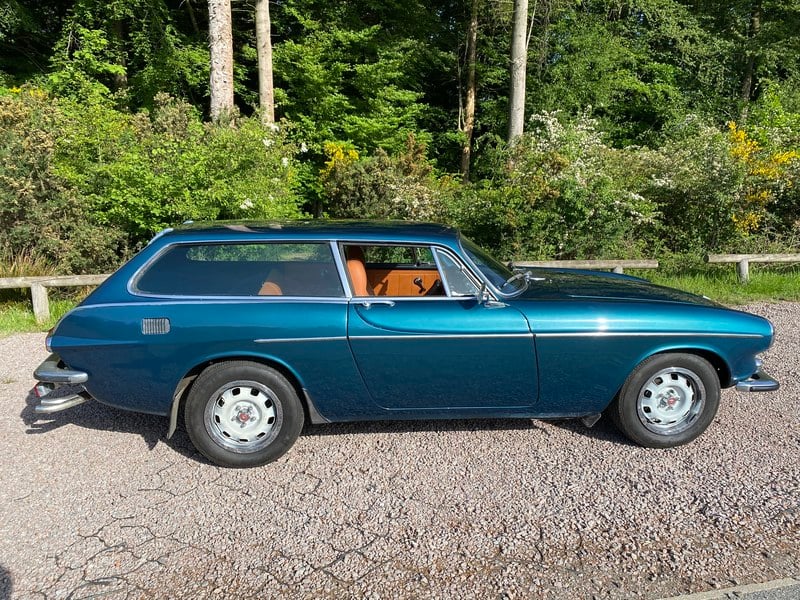
Em 1971-1972 surge a última evolução do modelo: a 1800 ES, uma interpretação original do tipo shooting brake. O designer interno Jan Wilsgaard imaginou uma traseira totalmente nova, com um teto alongado e sobretudo uma espetacular janela traseira inteiramente em vidro, que se tornaria a assinatura visual do modelo e lhe valeria na Alemanha o apelido de « Schneewittchensarg » (« ataúde da Branca-de-Neve »). Este arranjo permite aumentar fortemente a capacidade de carga mantendo a elegância do coupé, criando o que hoje é considerado um dos primeiros sport-wagons europeus.
Debaixo do capô, a versão europeia mantém o motor B20E com injecção Bosch D-Jetronic. Este quatro cilindros de 1986 cm³ desenvolve aproximadamente 124 cv DIN a 6 000 rpm e 173 Nm de torque a 3 500 rpm, permitindo uma velocidade máxima próxima de 190 km/ h. A viatura apresenta uma arquitetura clássica de motor dianteiro longitudinal e tracção, associada a uma caixa manual de quatro velocidades com overdrive Laycock de Normanville (ou, mais raramente, uma automática Borg-Warner). As suspensões combinam triângulos duplos na frente e eixo rígido guiado por quatro braços e barra Panhard na traseira, enquanto a travagem é assegurada por quatro freios a disco.
A produção da 1800 ES manteve-se relativamente limitada: pouco mais de 8 000 exemplares foram montados entre 1971 e 1973. A interrupção do modelo deve-se principalmente à entrada em vigor de novas normas de segurança americanas que teriam exigido uma profunda modificação da carroçaria. Apesar de carreira curta, a P1800 ES permanece hoje um dos Volvo clássicos mais procurados, tanto pela sua linha única quanto pela fiabilidade mecânica reputada.
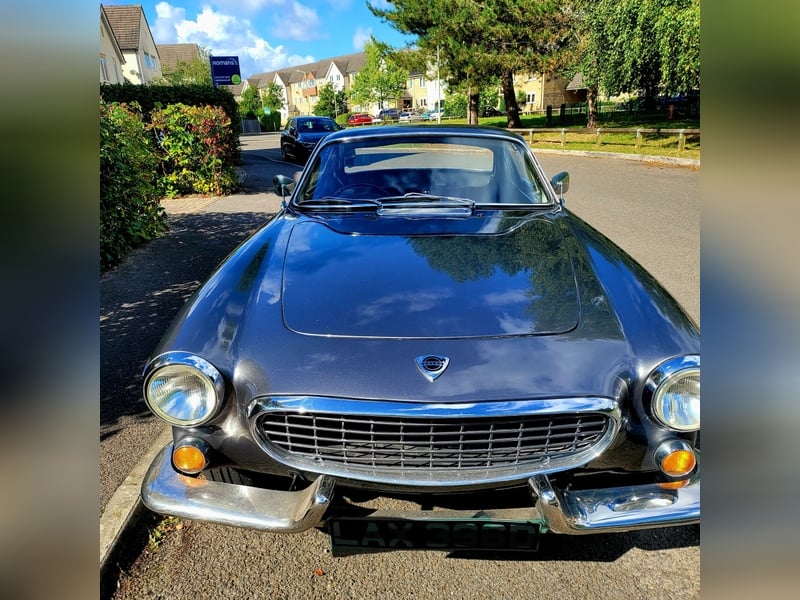
Este exemplar foi produzido em 1976 na Bélgica, na fábrica da Volvo em Gent. A viatura terá sido entregue nova ao Luxemburgo, antes de regressar à Bélgica em 2018. Trata-se, portanto, de uma versão europeia de injecção, o que é relativamente raro. Não percorreu no total mais de 92 000 km e apresenta-se hoje em estado impecável, tanto a nível mecânico como estético.