Beskrivning
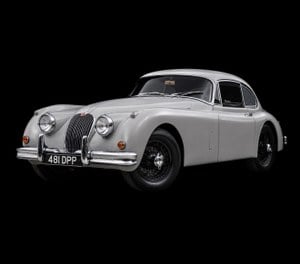
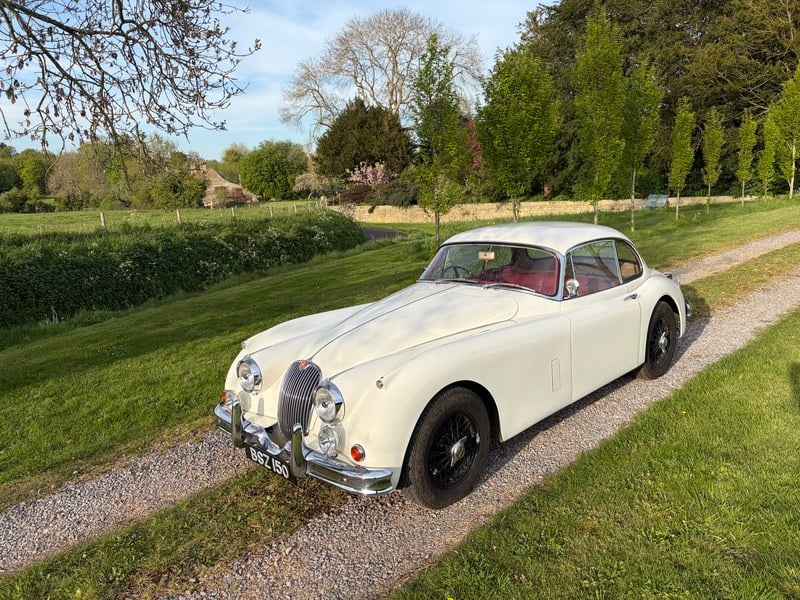
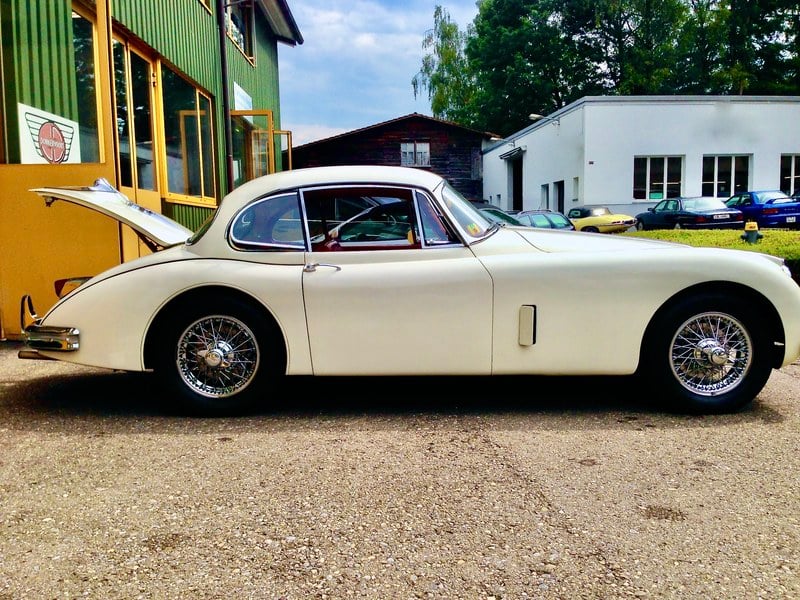
Jaguar XK150 Fixed Head Coupe
"An Enduring British Motoring Icon Ready for its Next Custodian"
Kombinerar tidlös Jaguar-elegans med noggrant övervägda uppgraderingar, erbjuder denna XK en mycket användbar klassisk körupplevelse utan att kompromissa med sin karaktär.
Älskvärt återställd till en enastående standard byggd för Jaguarentusiasten, uppgraderingar gjorda med känsliga åtgärder gör den till den perfekta XK:n att resa långt i eller helt enkelt bara njuta av en söndagskörning.
Funktioner Du Kommer Att Älska:
Desirable 3, 442cc XK sexcylindrig motor
Engagerad manuell växellåda
Modern EZ elektrisk servostyrning för smidig körning
Skivbromsar med servoassistans för förbättrad inbromsning
Pålitligt 123 elektroniskt tändsystem
Kenlowe-kylfläkt för ökad användbarhet i modern trafik
Vacker grå exteriör
Snygg blå interiörinredning
Exemplar med högerstyrning
Bensindriven
Chassinummer: S824402DN
Ytterligare förstärkning av dess provenance, bilen har åtnjutit full service utförd av den välrenommerade Jaguar-specialisten M&C Wilkinson Limited, systerbolag till Sayer Selection Limited, vilket speglar de högsta vård- och underhållsnormerna.
Jaguar XK150: Sportbilen som definierade en era
Med dagens snabbaste produktionsbilar som kanske en dag bleknar i minnet, förblir Jaguar XK en av de mest ikoniska sportbilarna som någonsin byggts. Introducerad 1948, bara några år efter andra världskriget, kom den med spänning och innovation till en värld som fortfarande återhämtade sig från konflikt.
XK120 avslöjades på London Motor Show för att visa Jaguars nya 3, 4-liters XK-sexcylindervy. Med dubbla over-head camshafts, hemisfæriska förbränningskammare och ett aluminium blocks, var motorn märkbart avancerad för sin tid. Dess design visade sig vara så framgångsrik att versioner fortsatte tillverkningen fram till 1992.
Allmänhetens respons på XK120 var övervägande positiv, vilket fick Jaguar att börja produktionen omedelbart. De flesta bilar exporterades till USA, där skådespelaren och tidigare stridsflygare Clark Gable blev en av de första ägarna.
De tidigaste 242 exemplaren använde aluminiumkroppspaneler över en askram. Men stigande efterfrågan fick Jaguar att anta en helt stålkropp 1950, vilket förenklade produktionen samtidigt som det endast ökade vikten marginellt. Chassit baserades på den robusta Mk V-saloonplattformen.
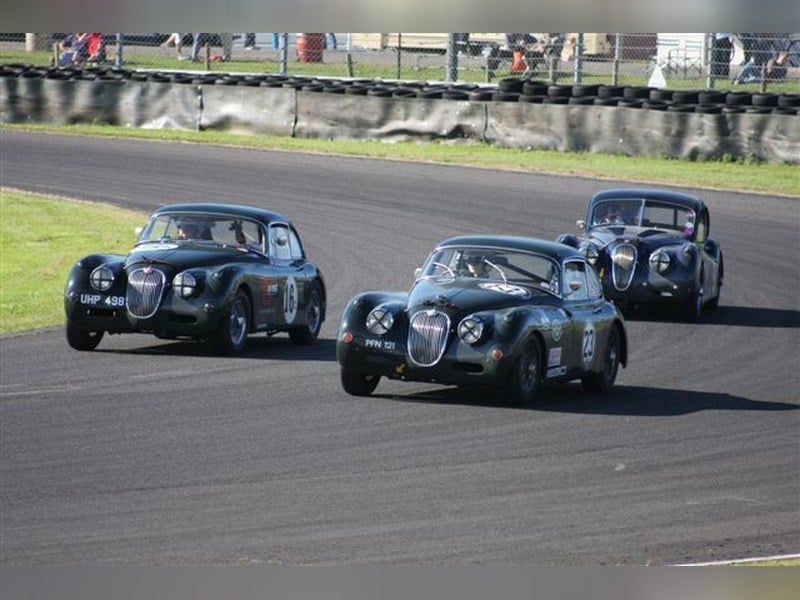
Prestandan etablerade snabbt XK120:s rykte. År 1949 uppnådde en modifierad prototyp en genomsnittlig hastighet på 132, 6 mph på en motorväg i Belgien. Ytterligare uthållighetstester vid Montlhéry i Frankrike visade att bilen höll över 100 mph i 24 timmar och mer än 130 mph under en timme. År 1952 uppnådde en fast-head coupé ett genomsnittligt hastighet på 100 mph under en hel vecka, vilket satte flera rekord.
Tre karossvarianter erbjöds: den ursprungliga open two-seater, Fixed Head Coupé introducerad 1951, och Drop Head Coupé tillagd 1953.
XK120 efterträddes av XK140 och senare XK150, lanserad 1957. Även om de såg liknande ut, innehöll XK150 betydande förbättringar, inklusive ett enstyckigt vindruta, reviderad kaross och en mer förfinad interiör. Ökad vikt ledde till att Jaguar ökade motorn till 3, 8 liter 1960.
1961 lade XK150 vaggan för den legendariska Jaguar E-Type, men XK hade redan säkrat sin plats i bilhistoria som en av de mest inflytelserika sportbilarna som någonsin byggts.