Beschreibung
Hinweis: die von car&classic ausgewiesene Telefonnr. ist falsch!
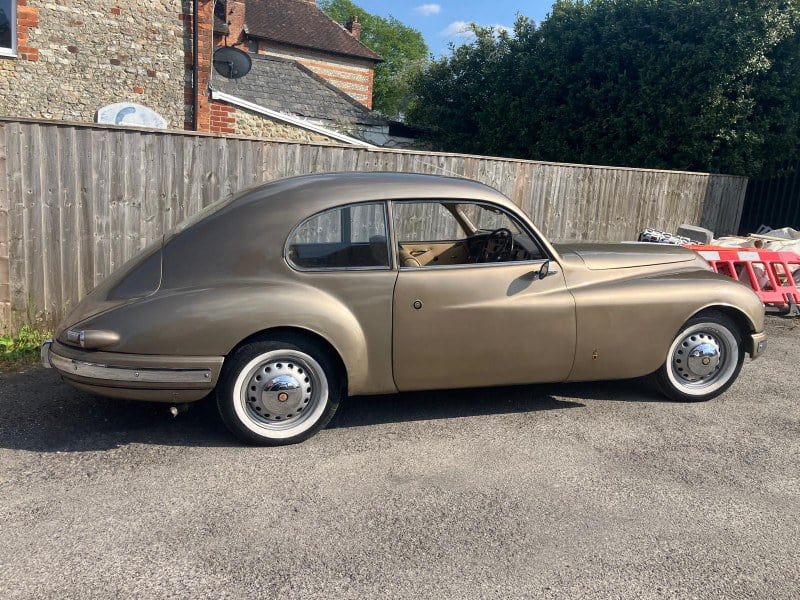
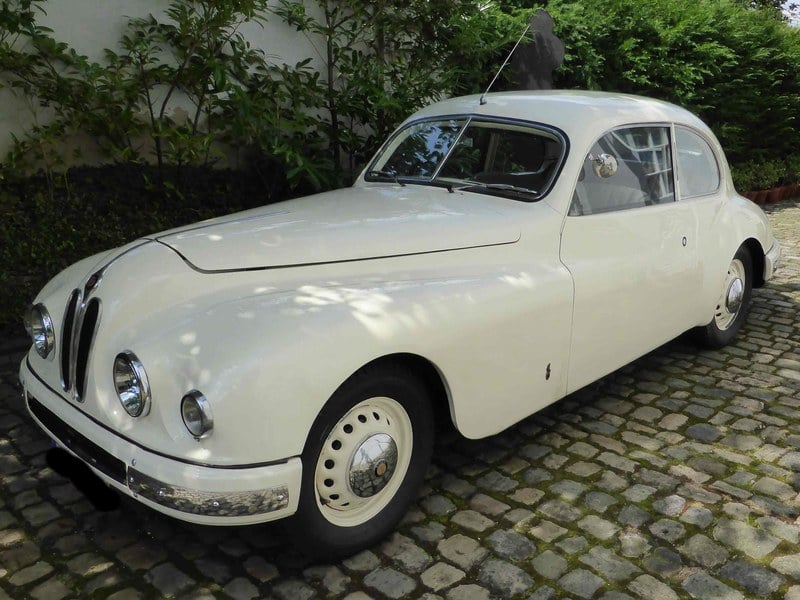
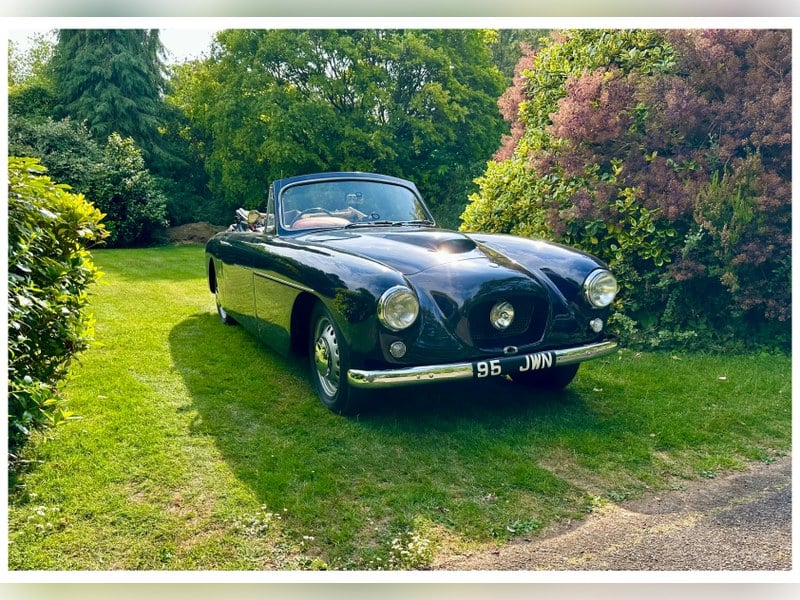
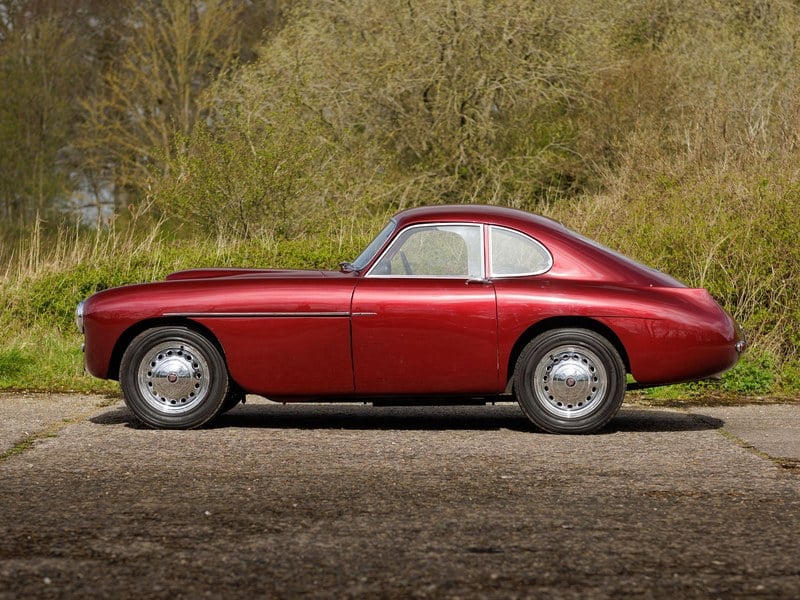
Hersteller dieses Fahrzeugs war die „Bristol Aeroplane Ltd.“ In Bristol, die mehr als 40. 000 Flugzeuge gebaut hat, i. w. angetrieben von eigenen Motoren.
Nach dem 2. Weltkrieg startete man mit dem Automobilbau. Als Basis dienten die BMW-Ikonen 328 und 327, für die die Rechte für England bei dem Renn- und Sportwagenhersteller FN Frazer&Nash (später AFN) lagen. Diese Rechte übernahm man und konnte damit aus dem Stand heraus sehr gute Autos bauen und erfolgreich sein. Und: Bristol durfte alles besser machen als BMW… Geholfen dabei hat Dr. Fritz Fiedler, der bei Bristol in der gleichen Funktion tätig war wie bei BMW: als Chefingenieur. Bei BMW hätte er nichts bewirken können. Dort brachte man erst 1952 das erste Auto aus München auf den Markt: den schweren, schwachen (65PS) und altmodisch wirkenden BMW 501 („Barockengel“).
Man übernahm von Anfang an die Grundkonstruktion des Motors des Traumsportwagens BMW 328 (141 Rennsiege, darunter die Mille Miglia 1940) mit halbkugelförmigen Brennräumen, schräg stehenden Ventile und einer außergewöhnlichen Ventilsteuerung. Welches Entwicklungspotential in dem Motor steckte zeigt die Tatsache, daß er sogar bei Rennen der Formel 2 und sogar der Formel 1 eingesetzt wurde (Cooper-Bristol) – und Punkte eingefahren hat! Äußerlich sind die Motoren von Bristol übrigens kaum von dem des historischen BMW 328 zu unterschieden – was zu entsprechenden BMW-Umbauten geführt hat…
Für eine Firma mit langjähriger Erfahrung im Flugzeugbau war das Thema Aerodynamik natürlich zentral. Das Modell „401“ hatte einen Luftwiderstandsbeiwert, der 1949 „Weltrekord im Automobilbau“ war. Stromlinienform pur! Aufgrund seiner Windschlüpfrigkeit erhielt der 401 den Beinamen „Aerodyne“.
Nomen est omen: der 401 gehörte seinerzeit zur winzigen Gruppe der „100 MPH Cars“, d. h. er lief schneller als 160km/ h (was auch heute – mehr als 75 Jahre später – noch respektabel ist).
Der „401“ bietet etliche Besonderheiten, die um 1950 der Zeit durchaus voraus waren:
• Karosserie komplett aus Aluminium
• Karosserie in Superleggera-Bauweise (Patent der „Carozzeria Touring“) – Bristol war für diese Technik Pionier, erst 1958 folgte Aston Martin beim DB4
• Federung mit – langen – Torsionstäben (einstellbar!), d. h. massearm und sensibel
• Zentralschmierung bzw One-Shot-Schmierung sämtlicher Lager des Fahrwerkes, Lederummantelung der vorderen Radaufhängung
• Motorhaube seitlich (von beiden Seiten!) zu öffnen (besonders sicher)
• Armaturenbrett aus Nussbaumholz (massiv) mit 7 Instrumenten (u. a. Öldruck und Öltemperatur, d. h. Motorgesundheit stets im Blick) und zahlreichen Schaltern (wie im Flugzeug…)
• Gute Motorkühlung dank (unsichtbarer) seitlicher Entlüftungsschlitze des Motorraumes
• Verstellbares Lenkrad
• Schnellverstellung der Sitze – und auch die Lehnen sind mehrfach verstellbar!
• Zündzeitpunkt vom Armaturenbrett aus verstellbar (um 1950 wichtig wegen schwankender Spritqualität)
• Motorlauf vom Armaturenbrett verstellbar (wie ein manueller „Tempomat“)
• Sonnenblenden als Rollo, d. h. stufenlos (!) einstellbar
• Bremstrommeln vorne mit 2 Hydraulikzylindern, d. h. 2 auflaufende Backen mit Selbstverstärkung (einen Bremskraftverstärker braucht man nicht!) – mit klasse Bremswirkung (der TÜV-Bericht zeigt das!)
• Zusätzliche zuschaltbare elektrische Benzinpumpe verbaut – zum Befüllen der Schwimmerkammern der 3 Solex-Vergaser vor dem Start
• Originale Winker sind vorhanden – und funktionieren gemeinsam mit den Blinkern!
• Und etliches mehr
Das Fahrzeug ist von der FIVA begutachtet und eine FIVA-ID-Card ausgestellt. Klassifizierung: A2.
Den letzten TÜV hat der 401 im Juni 2026 bekommen. Prüfergebnis: „ohne erkennbare Mängel“. Nächster TÜV-Termin also 6/ 2028. Einer sofortigen Anmeldung steht also nichts im Wege.
Und noch eins: 1953 wählte das Automobilmagazin „Motor Sport“ den Bristol 401 zum „Best Car in Britain“. Und seinerzeit gab es (noch) viele britische Automobilhersteller von Weltklasse wie Rolls-Royce, Bentley, Lagonda, Aston Martin, Jaguar, AC, Allard, Daimler, Wolseley, Riley usw.! Da ist es auch nicht verwunderlich, daß der Bristol zu den teuersten Fahrzeugen am Markt zählte, nur die Spitzenmodelle von RR, Bentley und Lagonda waren teurer…(aber offensichtlich nicht besser).
Man muss sich auch einmal etwas gönnen, was kein anderer hat! Aus Freude am Fahren… Aus Begeisterung für Technik… Aus Respekt für beispielgebende Ingenieurleistung…
Sämtliche Copyrightrechte dieser Anzeige liegen beim Anbieter dieses Fahrzeugs.