Description
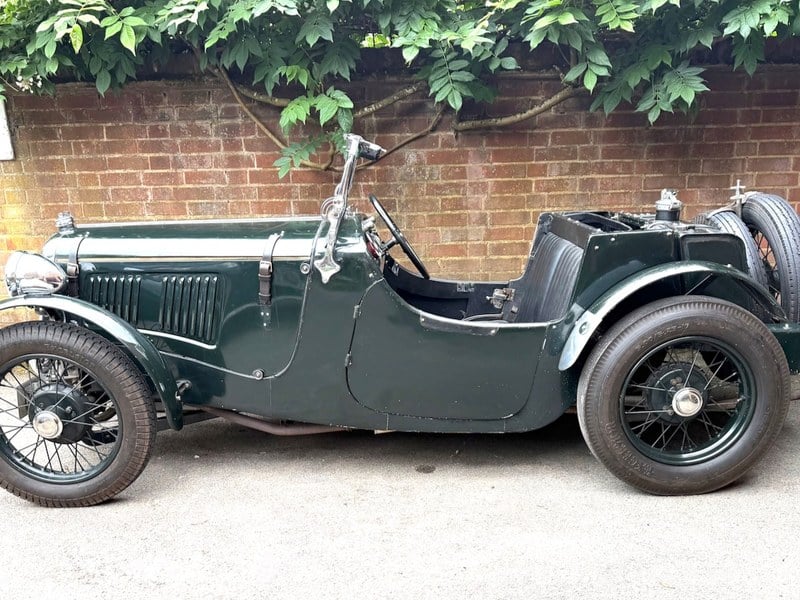
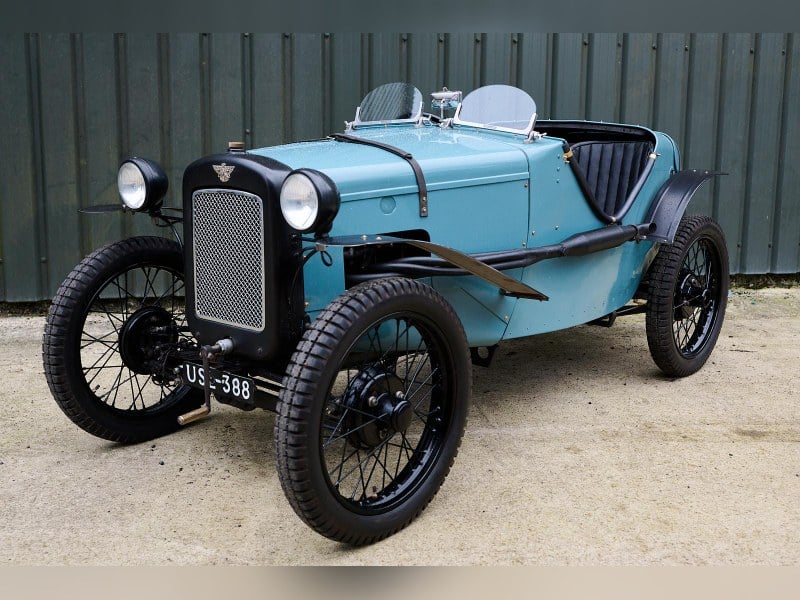
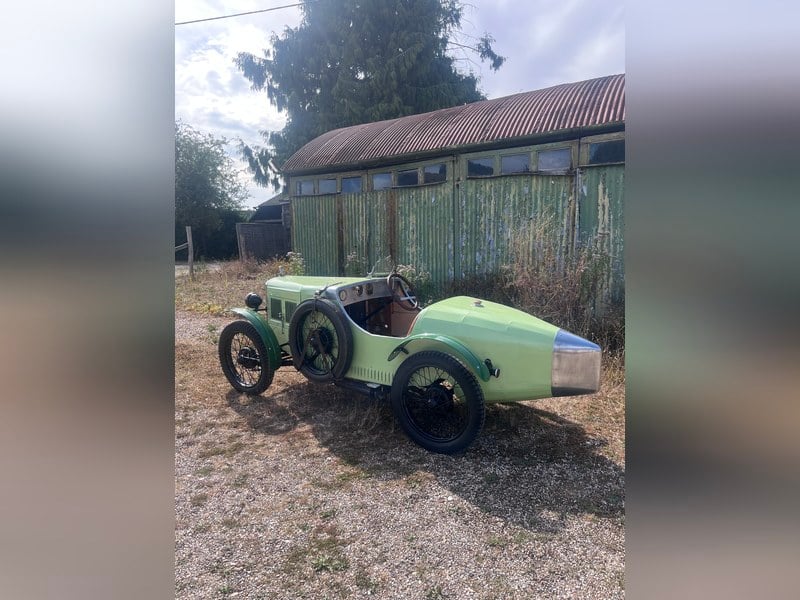
This 1933 Austin Seven is a genuine 1950s sports special with all the character and charm of the era. It features cut‑down suicide doors, wire wheels, an aero screen, exposed rear spare and period stickers that give it a wonderfully authentic look. The bodywork wears decades of patina which has been intentionally preserved, while the underside has been fully wax‑oiled to protect the structure. It’s an honest, lightweight open‑top special with real personality.
The interior has been completely refreshed with new green seats (Original seats are available), a custom wooden dashboard and a distinctive red‑and‑white checkerboard floor. It retains the simplicity and charm of a home‑built special while being comfortable enough for short runs and local driving.
Mechanically, the car has undergone extensive recommissioning. It has new floors, welded and strengthened rear footwells, a relocated battery and a complete rewire. The ignition has been upgraded to electronic for reliability, the radiator has been repaired and new brake cables have been fitted. After decades off the road, it now starts, runs, drives and stops. I’ve driven around five miles in it during testing and it behaves exactly as a 1930s Austin Seven should: lively, mechanical and slightly unpredictable on cable brakes. It will reach around 30mph comfortably and feels stable at that speed, but it remains a true pre‑war driving experience.
This is still a project, but now a running and driving one. The engine is tired and will likely need attention in the future, but it runs well enough for short drives. For many enthusiasts, that’s part of the appeal: it’s a usable special that can be improved and personalised over time.
The car comes with its V5C in my name and some period history including old photographs. It’s ideal for someone who wants a genuine 1950s Austin Seven special with originality, patina and character, rather than a freshly restored showpiece. A charming, usable survivor that’s ready for its next chapter. This Austin Seven began life in 1933 before being converted into a sports special during the 1950s, a time when many enthusiasts modified Sevens into lightweight open‑top machines for trials, hill climbs and weekend motoring. The cut‑down suicide doors, wire wheels, aero screen and period stickers all reflect the style of that era. It was used for many years before being stored away in a barn during the 1960s, where it remained untouched for more than half a century. The patina it wears today is genuine, earned over decades rather than recreated.
When I discovered the car, it had not run or driven since the 1960s. As part of the HJR Garage YouTube channel, my aim was to revive it sympathetically rather than strip it down for a full restoration. The goal was to preserve its history, character and originality while making it solid and usable again. The recommissioning process focused on structural repairs, safety improvements and careful preservation of the car’s period features.
The revival was documented throughout on the channel, showing the car’s journey from long‑term storage back to life. Seeing it run for the first time in decades was a significant moment, and getting it driving again marked the completion of its revival phase. The exterior remains exactly as found, with its aged paint, period stickers and GB plate, while the interior and mechanical components have been refreshed to make it usable.
The car now represents a rare survivor of the 1950s special‑building era. It carries its history proudly: the 1933 origins, the 1950s conversion, the decades of barn storage and the modern revival. For anyone who appreciates early British motoring and cars with genuine stories, this Austin Seven offers a unique opportunity to continue a narrative that began more than ninety years ago.