
Description
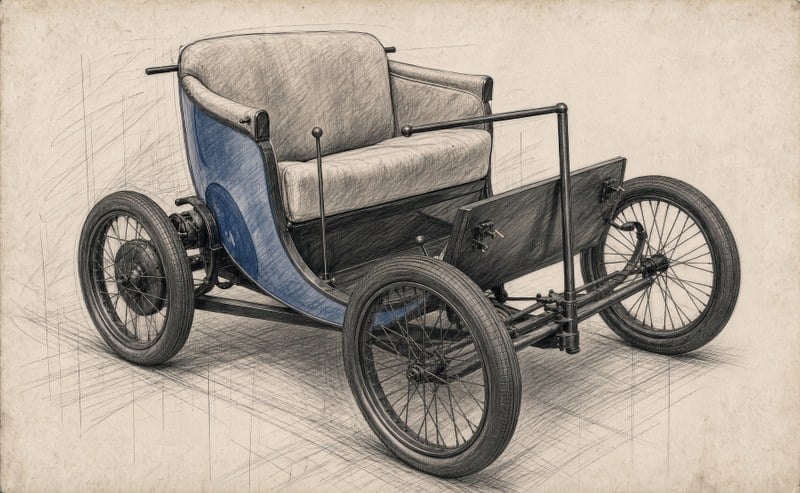
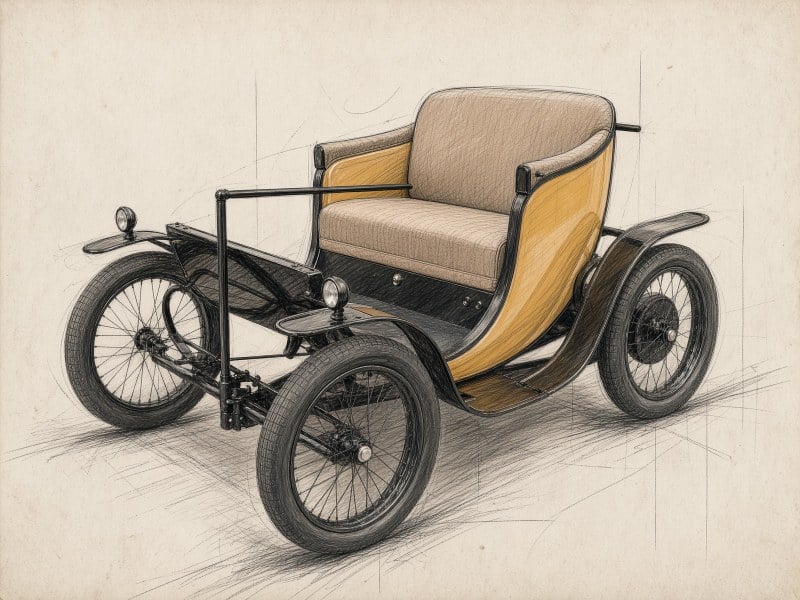
Bugatti Type 56 Electric Recreation.
I am building a small series of Type 56’s recreations.
These cars are hand built and will closely visually resemble the originals but will have a modern rear axle, 1000 W electric motor and Lithium batteries in the interest of reliability.
The body panels are aluminium as per the originals and each car will be built with the patina of an original car and a modicum of built in age.
Braking is by rear drum brakes only and steering is by tiller.
Top speed is 18mph
These are not road legal and cannot be made road legal. As the originals - these are made for private land.
The first car is currently under construction and I will be adding more photos soon
Please do get in touch with any questions.
The story of the Bugatti Type 56 is one of the most exclusive and charming chapters in pre-war automotive history. Originally conceived in 1931 by Ettore Bugatti himself, the vehicle was never intended for commercial production or public sale.
Turning 50 years old and managing a rapidly expanding factory estate in Molsheim, France, Ettore desired a completely silent, lightweight, and slow-paced vehicle to move around the factory. The solution was the Type 56, affectionately nicknamed by the factory as the "En Cas"—literally translated as the emergency "just in case" backup vehicle.
Built with the silhouette of an ultra-lightweight Victorian open carriage the Type 56 featured no steering wheel, relying instead on an central mechanical steering tiller. Crucially, it was engineered from the ground up as a pure electric vehicle, drawing silent propulsion from an electric motor.
While intended strictly as a one-off tool for Le Patron, the little carriage caused an immediate sensation. Whenever visiting clients traveled to Molsheim to commission full-sized touring cars, they saw Ettore puttering around the grounds in silent elegance. Charmed by its pre-war purity and effortless utility, they requested copies of their own. Bugatti agreed to hand-built a tiny, bespoke run between 1931 and 1936.
10 units are believed to have been constructed in total. Today, only four confirmed original examples survive globally.