The Best Classic Cars of All Time

December 24, 2025
Here at Car & Classic, we’ve driven a lot of great classic cars. We’ve bought them, sold them, lived with them, raced them, broken them, tried to fix them… Suffice it to say, we know classics inside out. Now, we’re taking the opportunity to tell you the best classic cars of all time.
What makes a classic car?
Let’s start with the basics. How exactly do we define a ‘classic car’?
In the UK, a vehicle must be forty years old to qualify as ‘Historic’. This entitles it to free road tax (VED) and exemption from MOT testing, and Historic vehicles are also ULEZ-compliant, providing they aren’t being used for commercial purposes.
From an insurance standpoint, the definition is slightly different. Classic car insurance policies typically apply to vehicles over fifteen or twenty years old and often offer lower premiums alongside agreed value cover. HMRC, meanwhile, defines a classic car as one that is more than fifteen years old and valued at £15,000 or more.
The enthusiast’s definition
Enthusiasts tend to favour a much broader definition. In practice, a classic car can be almost anything that’s got some age to it, generally a car that’s older than your average vehicle on the road, particularly if it’s rare, interesting, or historically significant.
To put that into perspective, the 997 generation Porsche 911 (2004–2012) is widely regarded as a ‘modern classic’ or ‘youngtimer’. Its successor, the 991, is less commonly considered a classic, though many believe it has the potential to become one of the future’s great classics.
Classic car categories
The term ‘classic’ can also be divided into several subcategories. Vehicles produced before the First World War are typically referred to as ‘Veteran’ cars, sometimes extended to those built before 1919. ‘Vintage’ cars, often described as pre-war, follow, while vehicles built after 1945 are generally referred to simply as classics.
Where the line is drawn between ‘classic’ and ‘modern classic’ remains open to debate and is likely to move forward over time. Today, many would place that cut-off somewhere in the 1990s, perhaps around the turn of the Millennium.
Best classic cars by category
Without further ado, let’s get on with Car & Classic’s recommendations for the top classic cars you can own. We can’t possibly attempt to cover all the world’s best classics here, but here’s a flavour of our current top picks, sorted by our most popular categories. We’ve previously profiled our 35 Greatest Supercars Of All Time, which can be viewed here.
Best British classic cars
The British car industry today is a shadow of its former self. This sceptred isle has produced a diverse array of some of the most innovative, best-looking, best-driving, and downright cool old cars.
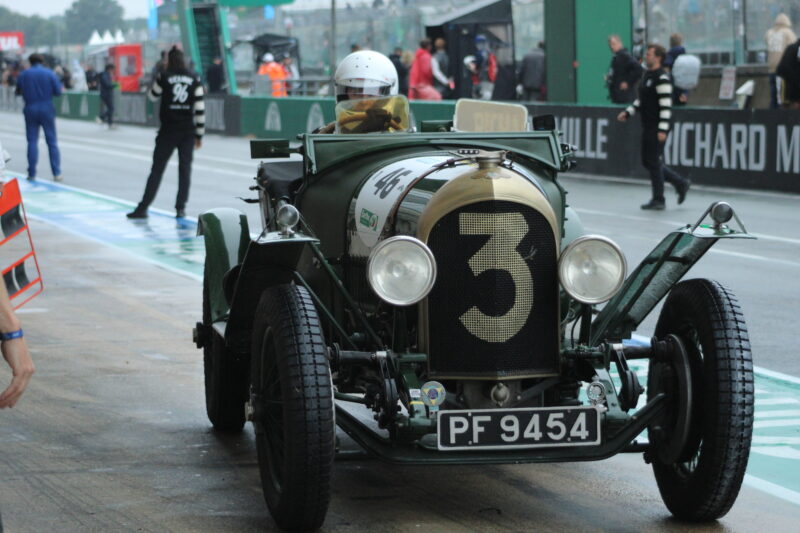
Cricklewood Bentley (3 Litre / 4½ Litre)
- Average Price Range: £250,000 – £750,000+
- Production Run: 1921–1931
- Horsepower: 70 bhp – 110 bhp (Standard); 175 bhp (Blower)
- Top Speed: 80 mph – 100 mph
We’re going to kick things off with one of the earliest British cars to make a name for itself on the world stage: a Cricklewood-era Bentley. Why does it deserve a place in the pantheon of great vintage cars? They’re just so usable, unlike the vast majority of pre-war cars. And we should know: Tom, our CEO, practically daily drives one, and he’s raced them too, once for 24 hours! W.O. Bentley was obsessed with quality. His ambition was “To build a fast car, a good car, the best in its class”. The ‘Bentley Boys’ became internationally renowned for their antics both on and off the racetrack, dominating Le Mans with five consecutive victories between 1924 and 1930 with models like the 3 Litre, 4½ Litre, and Speed Six.
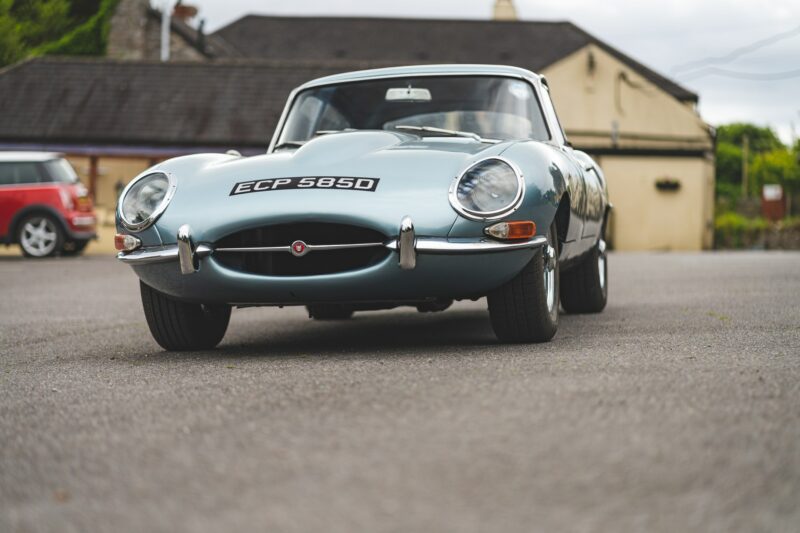
Jaguar E-Type Series 1 3.8
- Average Price Range: £80,000 – £250,000
- Production Run: 1961–1974
- Horsepower: 265 bhp
- Top Speed: 150 mph (Claimed); 145 mph (Tested)
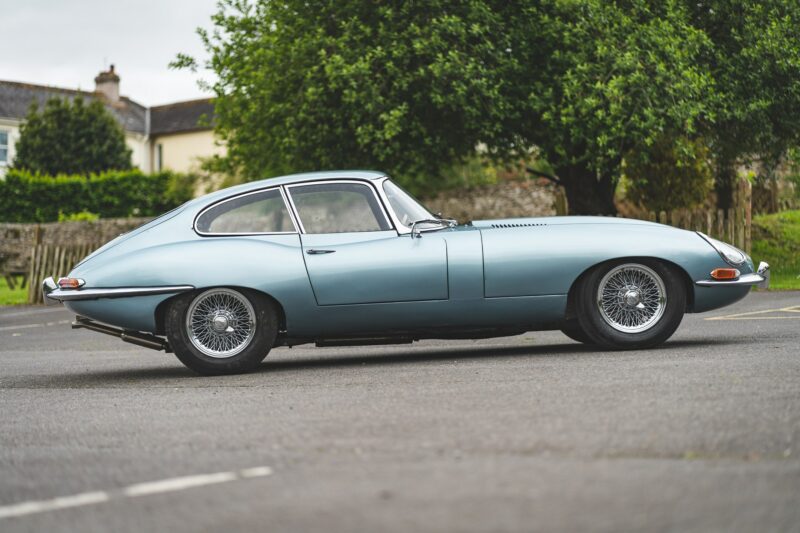
An evolution of the Le Mans-winning D-Type, the Jaguar E-Type is still regarded by many as the ultimate British sports car. Whether Enzo Ferrari ever did call it “the most beautiful car in the world”, as he is widely reputed to have done, we’ll probably never know. But the fact remains that the E-Type is certainly one of the best-looking cars of all time. Surprisingly, the E-Type’s svelte lines were not the work of some Italian Carozzerria, but that of Jaguar’s in-house aerodynamicist Malcolm Sayer. Originally powered by the inimitable XK DOHC straight-six, an early E-Type was ostensibly good for 150mph straight from the factory. Early road tests on the then-unrestricted M1 motorway found this was slightly exaggerated, but the fact remained that the new Jag was still very quick indeed. Today, an E-Type still looks the business, offers plenty of usable on-road performance, and is just the ticket for a jaunt across Continental Europe.
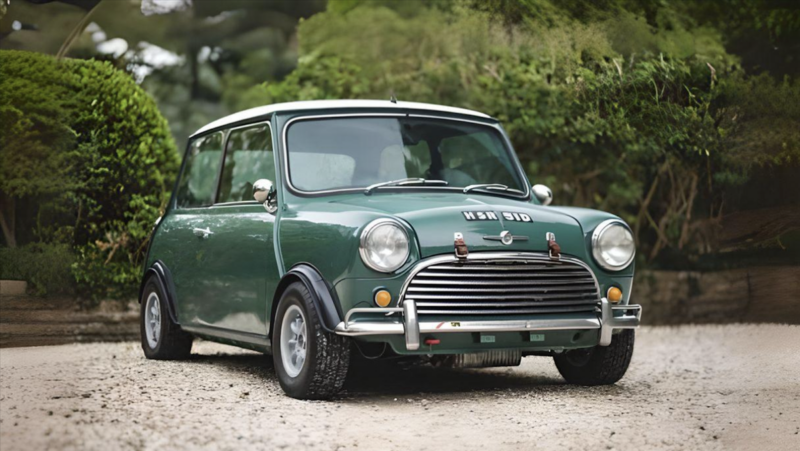
Mini
- Average Price Range: £8,000 – £45,000
- Production Run: 1959–2000
- Horsepower: 34 bhp (850) – 76 bhp (Cooper S)
- Top Speed: 72 mph – 96 mph
Alec Issigonis’ diminutive marvel is a must-have for anybody wishing to reconnect with the simple pleasures of driving and is undoubtedly one of the best British classic cars. Lauded for its ‘go-kart-like’ handling, the Mini’s front-wheel drive setup gives it a point-and-shoot feel that’s hard to beat. ‘Iconic’ is an overused word, but it’s wholly appropriate to describe the Mini. Immortalised in the 1969 film ‘The Italian Job’, it became a totemic symbol of Great Britain, which endured right until the end of Mini production in October 2000. Engineer John Cooper created high-performance variants from the 1960s onwards. Mini Coopers proved highly successful in saloon car championships and on the rally stage, especially in the capable hands of Paddy Hopkirk. Today, classic Minis can still be seen sliding around Goodwood, while surviving road cars remain perennially popular, with a strong enthusiast base.
Best affordable classic cars
The word ‘affordable’ is subjective, but we’ve selected a range of cars that we deem affordable both to buy and to run, taking into account the cost of spares and the likelihood of how much professional attention each will need during your ownership.
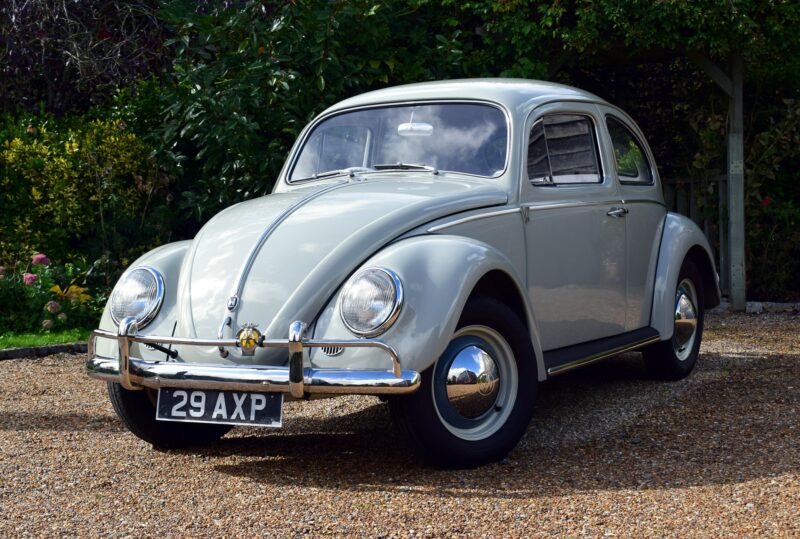
Volkswagen Beetle
- Average Price Range: £3,000 – £15,000
- Production Run: 1938–2003
- Horsepower: 25 bhp – 50 bhp
- Top Speed: 62 mph – 81 mph
Volkswagen made over 21.5 million ‘Type 1’ air-cooled Beetles between 1938 and 2003. That means there are plenty still around, and they’re excellent value for money. Expect to pay a little more for earlier examples, and those with rare, coveted specs like the Karmann Cabriolets, but your common or garden VW Beetle can be had for as little as £3,000-£4,000. You’re buying into an exceedingly usable classic that could readily become a daily driver. Beetles are cheap to run, frugal on petrol, straightforward to insure, and simple to maintain. Even a beginner can have the engine out in under an hour, with just four bolts holding it in place and minimal ancillaries thanks to its innovative air-cooled design. They’re one of the all-time great classic cars, and that’s why the Beetle had to earn a place on this list.
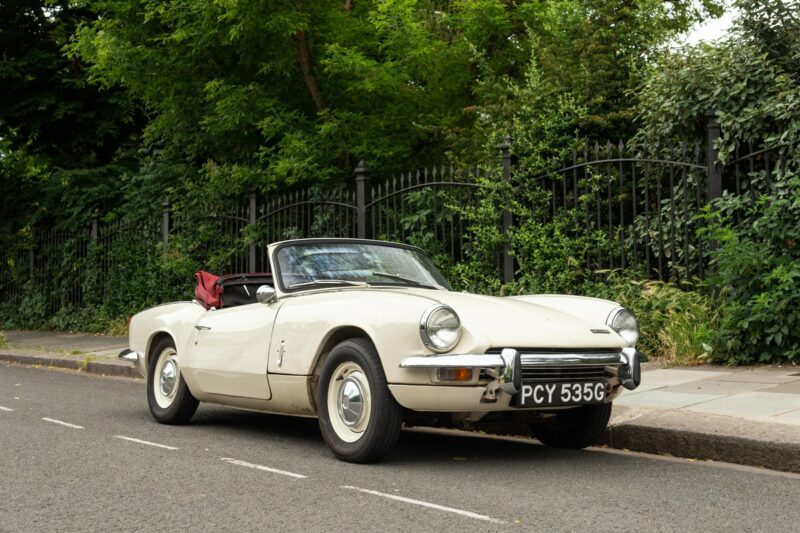
Triumph Spitfire
- Average Price Range: £5,000 – £12,000
- Production Run: 1962–1980
- Horsepower: 63 bhp – 75 bhp
- Top Speed: 92 mph – 100 mph
If bang for your buck is what you’re after, the Triumph Spitfire has a tremendous amount to offer. Designed by Italy’s Giovanni Michelotti, the Spitfire punches well above its weight in the looks department, and you’ll find the driving experience is equally thrilling. Even though the largest engines on offer never exceeded 1.5 litres, the Spitfire made ample power to be thoroughly entertaining and even to overwhelm the rear-wheel drive chassis at times, resulting in famously wayward handling. When it comes to an analogue British roadster on a budget, you can’t go wrong with a Triumph Spitfire.
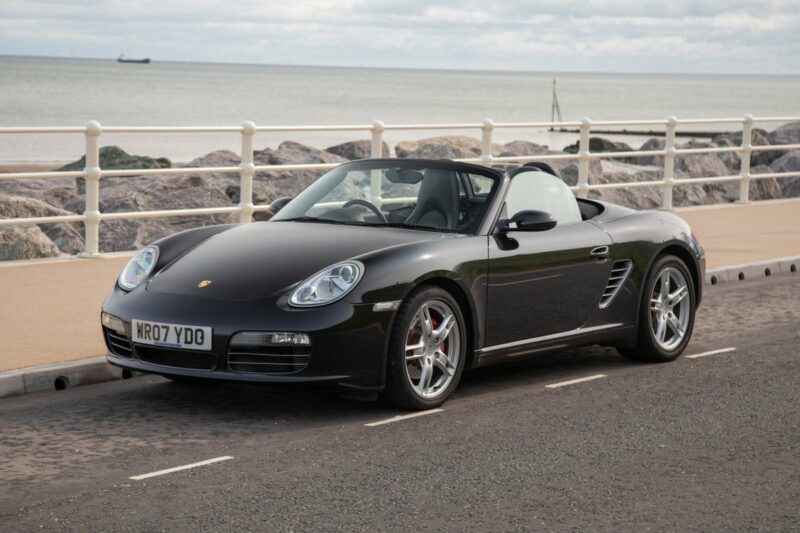
Porsche Boxster 987
- Average Price Range: £9,000 – £18,000
- Production Run: 2004–2012
- Horsepower: 237 bhp (2.7) – 316 bhp (Spyder/R)
- Top Speed: 155 mph – 167 mph
While the 911 has continued to get faster, bigger and heavier, the Boxster offers a more old-school Porsche experience without feeling the need to chase headline performance figures. You get the impression that the team behind the Porsche Boxster cared a great deal about creating something fun. The 987 was the second-generation Boxster, ironing out some of the foibles associated with the original 986, as well as introducing more powerful 2.7-litre and 3.2-litre (later 3.4-litre) engines, with the 987.2 introducing Direct Fuel Injection (DFI) for the 3.4-litre ‘S’ model. Specs aside, Boxsters offer excellent value for money, delivering the quintessential flat-six Porsche experience in a nimble, lightweight, mid-engined package.
Best classic sports cars
Sports cars are all about fun. They don’t need to be practical, or even that fast. Here’s our top three.
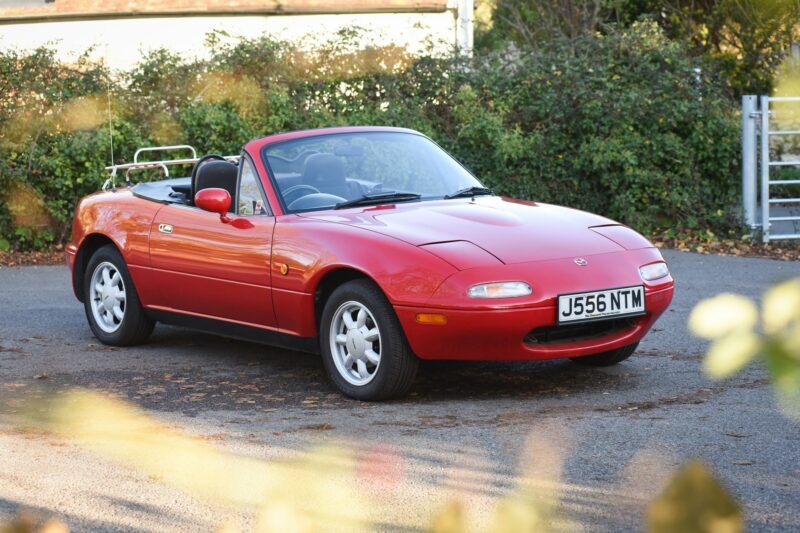
Mazda MX-5 NA
- Average Price Range: £4,000 – £10,000
- Production Run: 1989–1997
- Horsepower: 114 bhp (1.6) – 131 bhp (1.8)
- Top Speed: 115 mph – 123 mph
No matter what your budget is, a Mazda MX-5 still has to rank as one of the all-time great sports cars money can buy. Modelled on ‘60s British sports cars, while offering up-to-date Japanese engineering and reliability, the MX-5 is like a greatest hits album of top driver’s cars, cherrypicking the best bits from several celebrated models. Introduced in 1989 and still in production today, MX-5s of every generation provide open-topped, rear-wheel drive two-seater thrills that are hard (some say impossible) to beat.
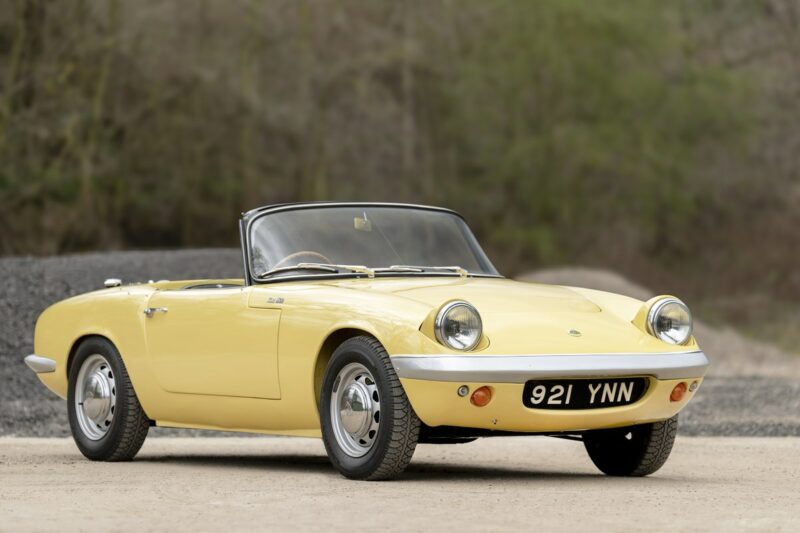
Lotus Elan
- Average Price Range: £25,000 – £50,000
- Production Run: 1962–1973
- Horsepower: 105 bhp – 126 bhp
- Top Speed: 115 mph – 121 mph
Tipping the scales at just 708 kg in its heaviest S4 guise (and a featherweight 549 kg in S1 form), the Lotus Elan embodied Colin Chapman’s “simplify and add lightness” mantra. It was powered by the Ford-derived 1.6-litre Lotus Twin Cam, a ruthlessly efficient four-cylinder unit punting out 105 bhp in its earliest form and up to 126 bhp in Sprint models. The Elan’s gear change is so slick it’s rifle bolt-like in operation, and the handling is perhaps the best of any sports car, regardless of age and pricepoint. Highly successful in motorsport and favoured by the great Jim Clark, amongst others, the Elan is irrefutably one of the nicest classic cars around. If you love driving, you have to consider one.
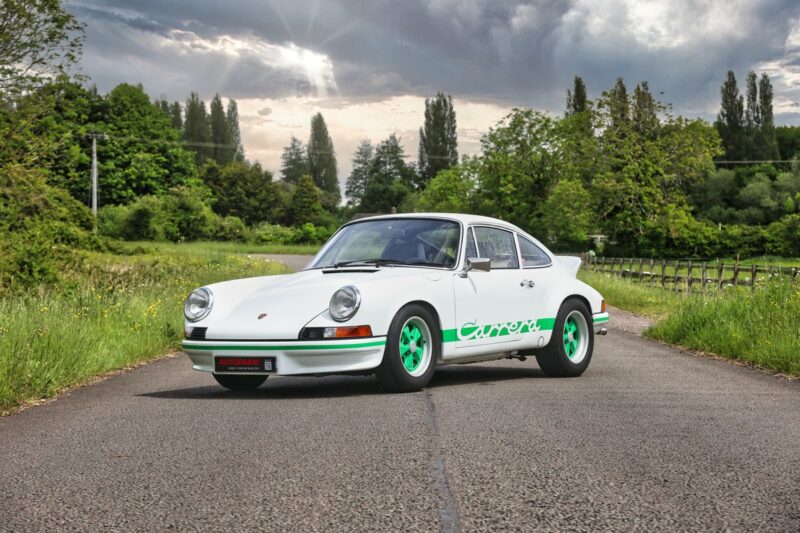
Porsche 911 Carrera 2.7 RS
- Average Price Range: £450,000 – £800,000+
- Production Run: 1972–1973
- Horsepower: 210 bhp
- Top Speed: 152 mph
Often heralded as the ‘Holy Grail’ of Porsche 911s, the 2.7 RS was unveiled at the Paris motor show on 5th October 1972. Born as a lightweight homologation special, it was the first 911 to boast the Carrera name, aimed at privateers and race teams. However, it was the road car that outshone its competition counterpart, proving to be exceedingly rapid while still surprisingly tractable at real-world speeds, thanks to mechanical fuel injection (MFI) The 210 bhp 2.7-litre flat-six featured a magnesium crankcase, forged pistons and Nikasil-lined cylinder walls to maximise power output from the relatively modest displacement. This was also the inaugural outing for Porsche’s ‘ducktail’ spoiler, which proved incredibly successful in increasing downforce at the rear of the car in order to transmit that performance to the road. Today’s high prices for surviving 2.7 RS demonstrate what a brilliant car this is.
Best classic hot hatchbacks
Hot hatchbacks are the sort of sports car you could actually use every day. Usually based on regular family hatchbacks, these suped-up motors are some of the most versatile classics you can own.
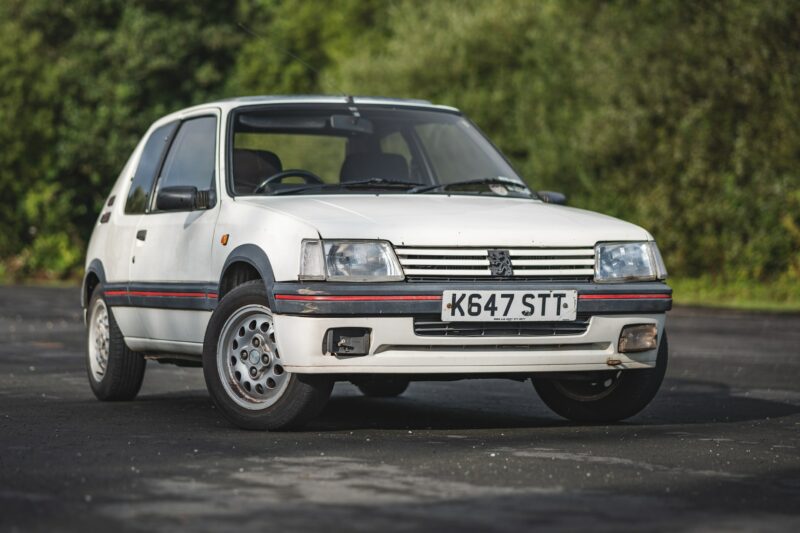
Peugeot 205 GTi
- Average Price Range: £12,000 – £30,000
- Production Run: 1984–1994
- Horsepower: 115 bhp (1.6) – 130 bhp (1.9)
- Top Speed: 122 mph – 127 mph
It’s a debate that’s been raging since the late 1980s: 1.6 or 1.9? On paper, you’d go for the 1.9. It’s the bigger engine and, unsurprisingly, it makes more power. But drive both 205 GTis and you’ll be facing a tougher decision. For the steely-eyed helmsmen among us who can appraise a car’s chassis through your fingertips, you may find the 1.6 is the better-balanced option. Some report it to be smoother-running and easier to live with than its big brother. Whichever you go for, the Peugeot 205 GTi is one of the best-driving front-wheel drive cars of all time. Nobody can argue with that.
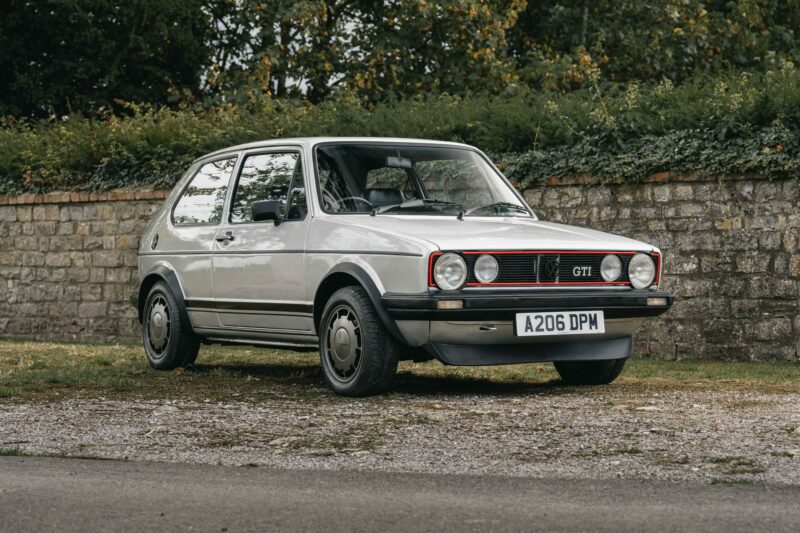
Volkswagen Golf GTi Mk1
- Average Price Range: £15,000 – £25,000
- Production Run: 1976–1983
- Horsepower: 110 bhp
- Top Speed: 113 mph
For many, it isn’t merely any old hot hatchback, it’s the undisputed king of the genre. The Volkswagen Golf GTi took an already brilliant family hatchback designed by Giorgetto Giugiaro and equipped it with a fizzy fuel-injected engine. This formula has remained practically the same since the model’s inception, spawning the most successful hot hatch lineage of all time. Mk1 examples are the purest expression of the Golf GTi concept, while the Mk7 is widely considered the “perfect” Golf, combining the high-end build quality with the agility we’ve come to expect from a true hot hatch.
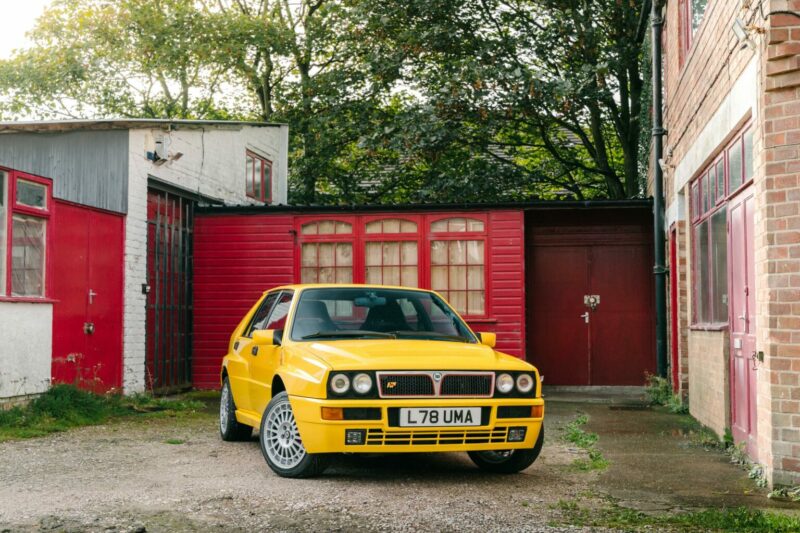
Lancia Delta HF Integrale Evolution 2
- Average Price Range: £90,000 – £160,000
- Production Run: 1987–1994
- Horsepower: 215 bhp
- Top Speed: 137 mph
The Integrale transformed a humble hatchback into a rally monster that defeated the world’s best on every surface from the snow of Sweden to the dust of the Safari Rally. Fortunately, FIA rules dictate that manufacturers have to build road-going ‘homologation specials’ that Joe Public can go out and buy. While hot hatches are traditionally front-wheel drive, the Integrales send power to all four wheels, making it devastatingly effective as a fast road car, as well as on the rally stage in race tune. The later Evolution ‘Evo’ 2 models were made after Lancia’s rallying involvement ended and were therefore designed more specifically for road use. These are widely accepted as the pick of the bunch, characterised by their wide-body styling and up-swept boot spoiler. Power was increased to 215 bhp while the four-wheel drive system was tweaked for optimum on-road performance.
Best classic family cars
Some put their love of classics on ice when it comes to raising a family. This needn’t be so with our three picks.
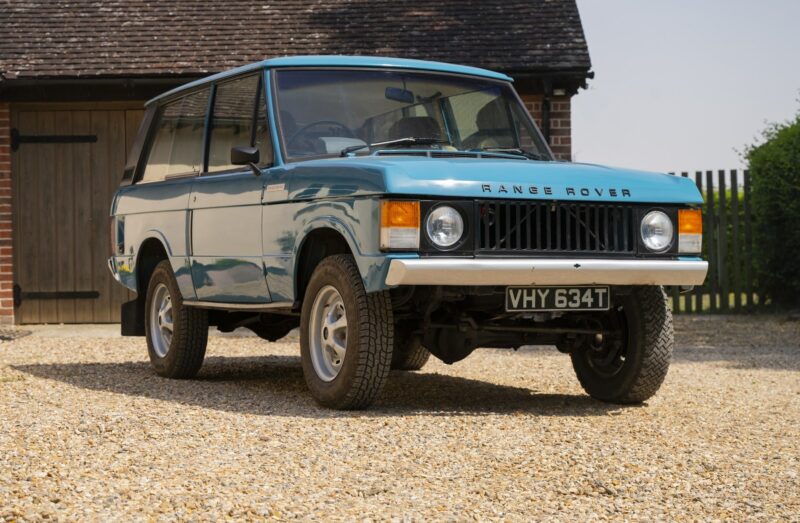
Range Rover Classic
- Average Price Range: £15,000 – £60,000
- Production Run: 1970–1996
- Horsepower: 135 bhp (3.5 V8) – 200 bhp (4.2 V8)
- Top Speed: 95 mph – 110 mph
We mustn’t forget what an important piece of design the original Range Rover was. It became the first vehicle to be displayed in the Paris Louvre, loved for its lack of superfluous trim, ‘floating roof’ achieved with black pillars, and continuous waistline running from the headlights to the taillights, which gave the car a balanced, architectural feel. Often dubbed the genesis of the SUV, albeit this is a contentious point, Spen King’s concept combined the off-road ability of the Series Land Rover with the refinement of Rover’s road cars. The result spawned what would go on to become one of the most successful luxury brands of all time. Early three-door V8-engined ‘Suffix A’ Range Rovers remain the most desirable, but later four-door ‘soft dash’ cars are highly usable and well-suited to families wanting to enjoy a classic together. With such deep window glass all-round, a supple ride, and high-end materials employed throughout the cabin, a Range Rover of this vintage is a simply delightful place to be.
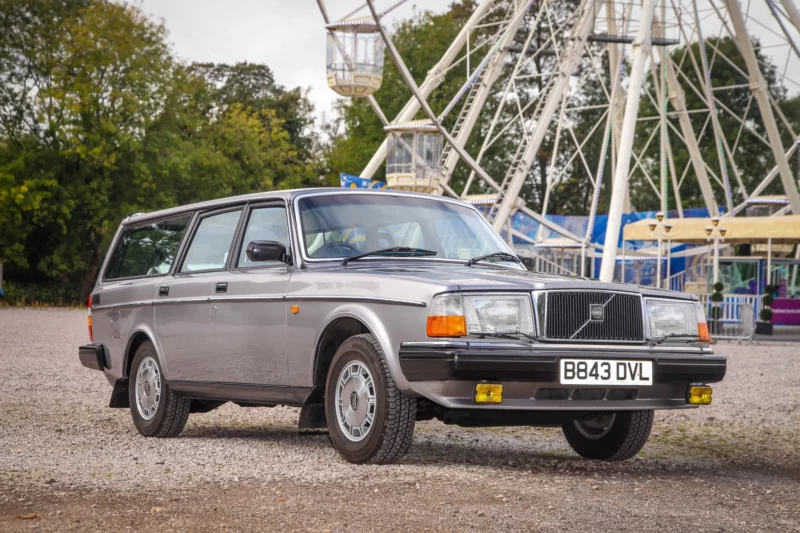
Volvo 240
- Average Price Range: £4,000 – £10,000
- Production Run: 1974–1993
- Horsepower: 82 bhp – 155 bhp (Turbo)
- Top Speed: 90 mph – 112 mph
If you’re after a classic that’s safe, tough and practical, the Volvo 240 should be at the top of your list. It’s small wonder they were beloved of antique dealers… it seems you can fit just about anything you please in the back of a 240 thanks to their ‘box on wheels’ design. Ideal for family road trips, perhaps with a caravan or boat in tow, a Volvo 240 can be trusted to get the job done. Unlike the vast majority of classics, it’s safe for the family too, as the 240 series introduced crumple zones, reinforced door beams, and three-point seatbelts for all occupants. They are well-built, reliable and cheap to buy. What more could you ask for?
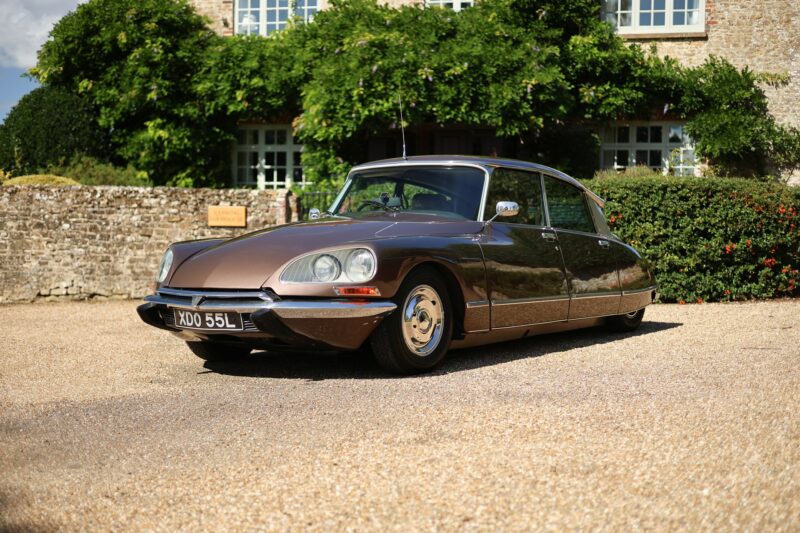
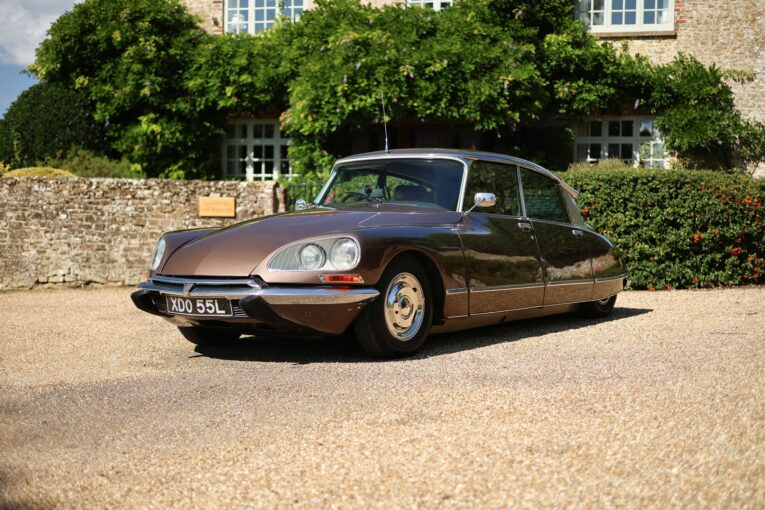
Citroën DS
- Average Price Range: £15,000 – £55,000
- Production Run: 1955–1975
- Horsepower: 75 bhp – 141 bhp
- Top Speed: 87 mph – 117 mph
Truly great classic cars should offer a unique driving experience. This is harder to achieve for the more family-friendly vehicles; you can’t easily take your kids and/or a dogs on holiday in a Ferrari, but the Citroën DS allows you to experience one of the most unusual and innovative vehicles ever produced with the whole family in tow. Opt for the Safari estate model for ultimate family wagon credentials, but even a regular DS offers ample cabin space while delivering arguably the ultimate ride quality and refinement of any classic car. The spaceship-esque styling and adjustable-height hydropneumatic suspension are sure to be a great hit with children and adults alike, while you’ll be safe in the knowledge that your car is the coolest thing on the road.
Best beginner classic cars
Buying your first classic can be a daunting experience. We’d recommend you start with something affordable, simple, and plentiful.
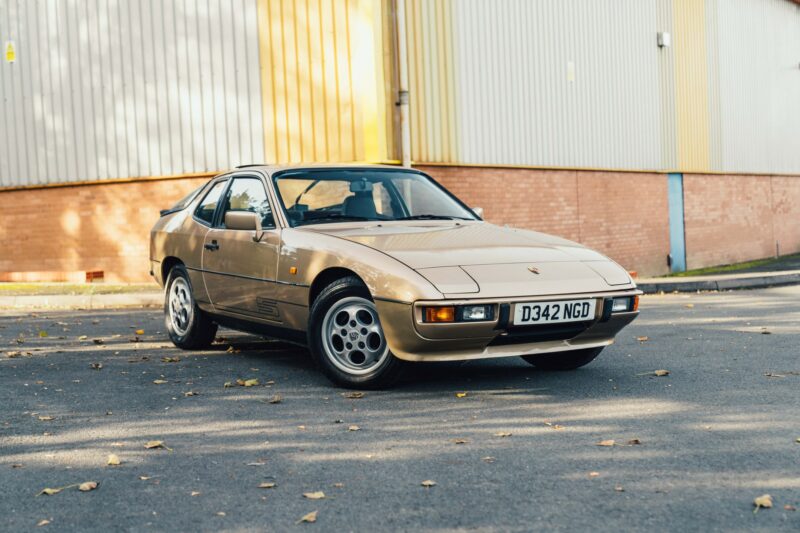
Porsche 924
- Average Price Range: £6,000 – £12,000
- Production Run: 1976–1988
- Horsepower: 125 bhp
- Top Speed: 125 mph
Some have overlooked the 924 for its Volkswagen-derived 2.0-litre four-cylinder engine, but it’s exactly this that makes it such a fabulous beginner classic. Delivering excellent build quality and frugal running costs, while still an engaging, beautifully balanced sports car, the 924 has so much to give. A well-kept example is daily driver material, and servicing is straightforward for a car with the hallowed Porsche badge. The best bit? Pop-up headlamps, naturally!
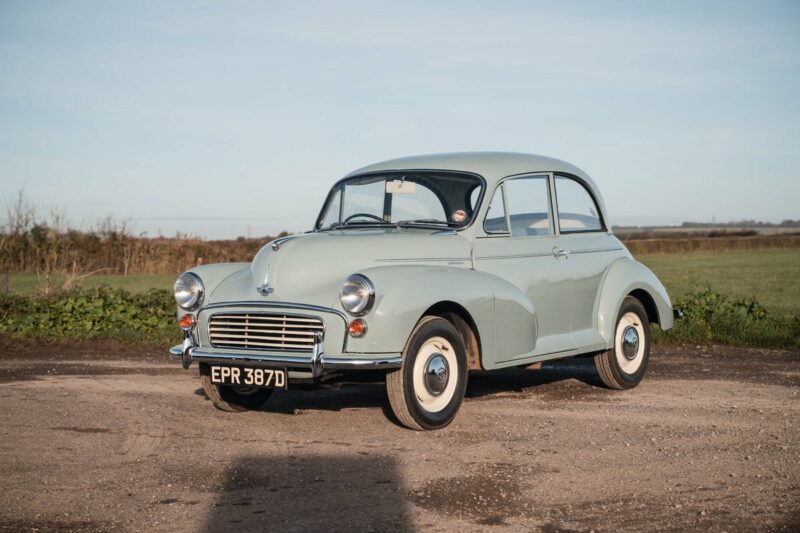
Morris Minor
- Average Price Range: £2,000 – £12,000
- Production Run: 1948–1971
- Horsepower: 37 bhp – 48 bhp
- Top Speed: 72 mph – 77 mph
When it comes to buying your first classic, there’s a lot to be said for simplicity, and cars don’t come a lot simpler than a Morris Minor. It also helps that they’re cheap. Really cheap. A running, driving example can be had for as little as £2,000, while £5,000-£6,000 can buy you a real minter. If you’re planning on working on your classic yourself, a Minor is a fantastic place to start. Mechanical components are readily available and affordable. Early examples with sidevalve and early 803cc A Series engines are glacially slow, and their gearboxes are tricky. However, later Minors, especially the Morris 1000, are surprisingly usable and geared for Britain’s expanding motorway network. If you’ve a little more to spend, we’d recommend a wood-clad Morris traveller or a Minor Convertible.
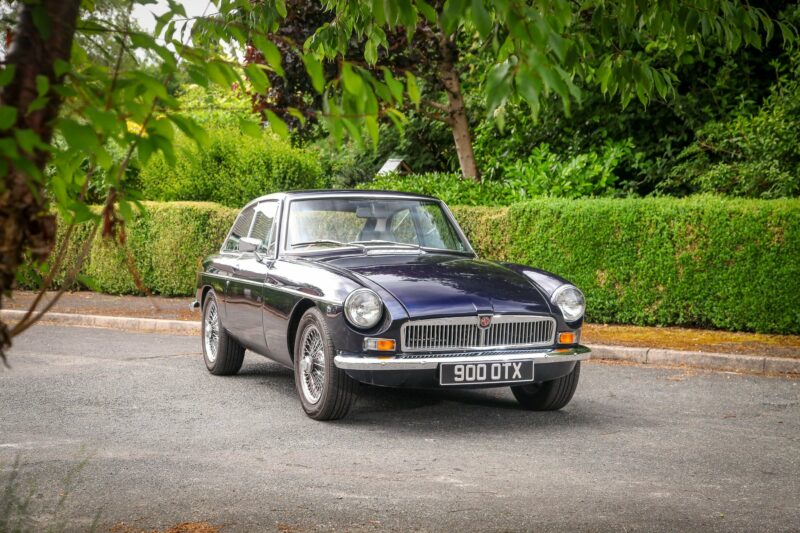
MGB
- Average Price Range: £5,000 – £18,000
- Production Run: 1962–1980
- Horsepower: 95 bhp
- Top Speed: 105 mph
To many, it’s not just a British sports car, it’s the British sports car. The MGB offered attainable performance, Italianate styling and a choice of open two-seater and Pininfarina-designed four-seat shooting brake hard top. We’d recommend the latter as the more cost-effective and versatile option, although the Roadster is of course enormous fun when the sun deigns to make an appearance. So why does an MGB make a wonderful beginner classic? Chiefly because of the support network. There’s a large owner’s club and network of specialists, knowledgeable enthusiasts and parts suppliers ready to help make your MGB ownership experience as pleasurable as can be.
Best classic cars under £10,000
There’s so much fun to be had in the ten grand and under category, as we shall now demonstrate.
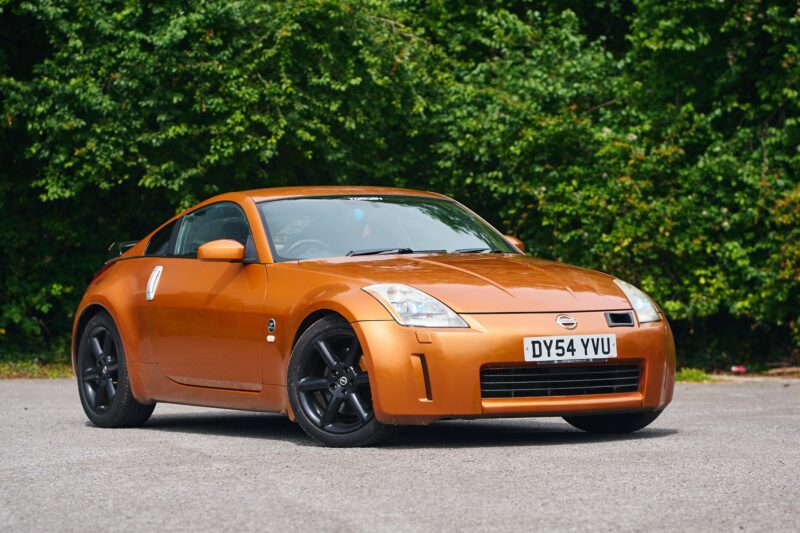
Nissan 350Z
- Average Price Range: £6,000 – £12,000
- Production Run: 2002–2008
- Horsepower: 276 bhp – 306 bhp
- Top Speed: 155 mph (Limited)
Quick, stylish, well-built, and tantalisingly cheap, the Nissan 350Z is an absolute steal when you consider how much car you get for your money. Lauded as a ‘junior muscle car’, although clothed as a European-style coupé, the 350Z’s driving experience is dominated by its understressed, naturally aspirated 3.5-litre V6. The 350Z would be regarded true ‘driver’s car’, with a decidedly analogue feel and well-weighted controls that are a far cry from the overassisted cars of today. That’s what makes the 350Z a modern classic, and a worthy member of the hallowed Z Car lineage.
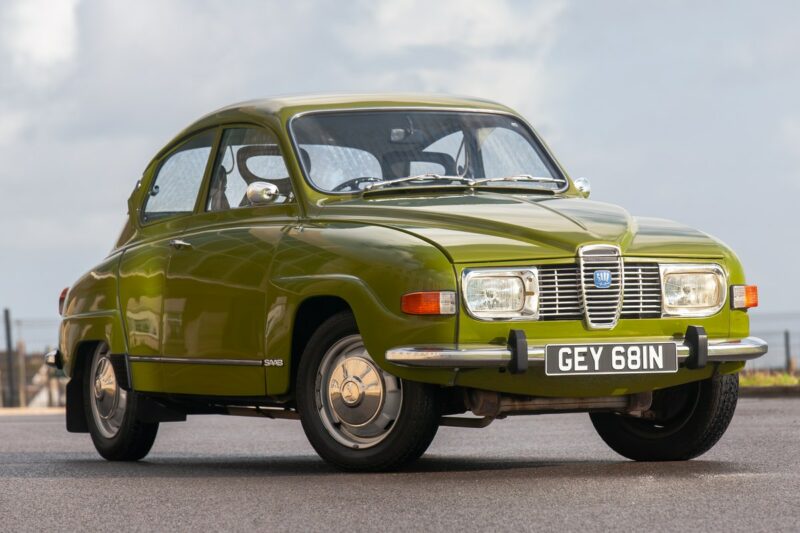
Saab 96 V4
- Average Price Range: £6,000 – £12,000
- Production Run: 1960–1980
- Horsepower: 65 bhp
- Top Speed: 90 mph
An icon of rallying during the 1960s and ‘70s in the hands of Erik ‘on the roof’ Carlsson and Stig Blomqvist, the Saab 96 was V4-engined and front-wheel drive, much like the Lancia Fulvia, although far more solidly built and, good news for us, budget-friendly. Early examples featured three-cylinder two-stroke powerplants, although the 96 reached its zenith with the Ford Taunus V4. It was one of the last vehicles to offer a ‘freewheel’ function and one of the first to feature through-flow ventilation to keep windows clear in freezing Swedish winters. The styling pays homage to Saab’s aircraft division, with swooping lines akin to the curvature of a plane’s wing. Few cars of this vintage, at this price point especially, are so supremely usable; that’s why this Swede makes our list.
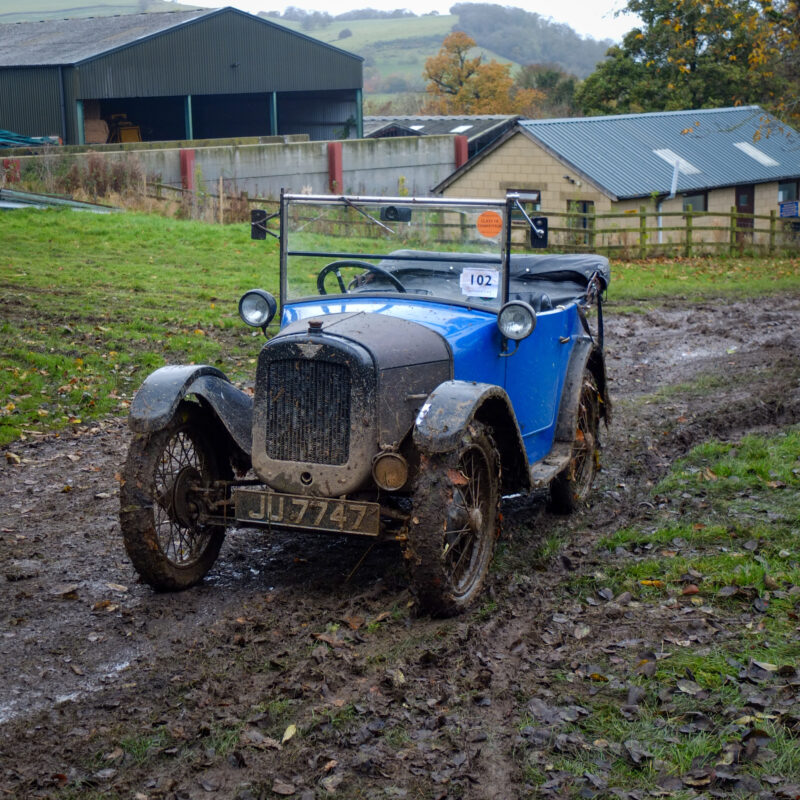
Austin 7
- Average Price Range: £8,000 – £15,000
- Production Run: 1922–1939
- Horsepower: 7 bhp – 10.5 bhp
- Top Speed: 40 mph – 50 mph
Most pre-war cars will set you back considerably more than £10,000. Those that don’t tend to be so esoteric or downright awkward to use that they’re not especially drivable, but the Austin 7 is the exception to the rule. If you fancy taking part in one of the VSCC’s trials and driving tests, a pre-1931 example with a three-speed gearbox is required. Tourers and Ulster Specials will push the boundaries of our £10,000 budget, but there are still nice 7s to be had for surprisingly little.
Best classic cars under £20,000
Twenty thousand pounds opens the door to some fantastic collector cars. Here are the cars we’d keep an eye on right now.
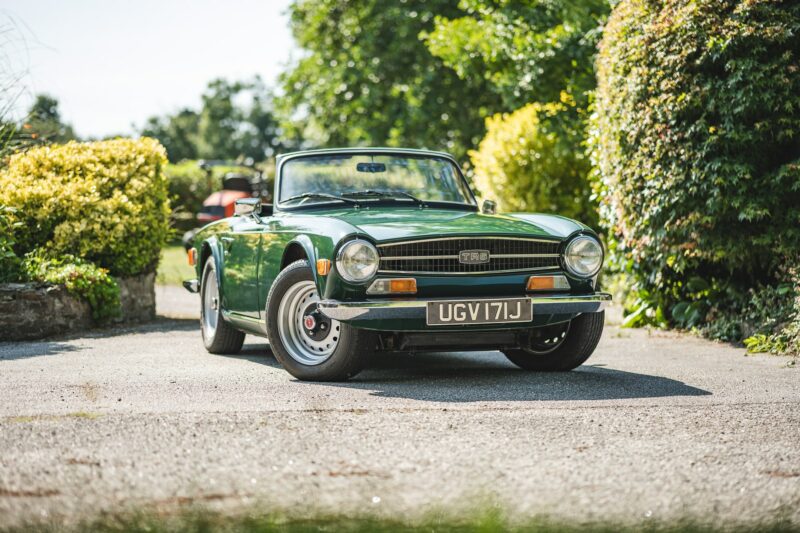
Triumph TR6
- Average Price Range: £14,000 – £22,000
- Production Run: 1968–1976
- Horsepower: 104 bhp (US) – 150 bhp (UK)
- Top Speed: 110 mph – 120 mph
For fans of a barrel-chested, pipe-smoking, pugilistic sort of sports car, the Triumph TR6 is the vehicle for you. It features a traditional separate chassis design and brutalist styling courtesy of Karmann. The engine is a beefy 2.5-litre V6 with Lucas mechanical fuel injection, driving the rear wheels via a four-speed manual gearbox. For a ‘70s car, TR6s are surprisingly fast, sound lovely and excel on the British B road. £20,000 buys a very nice example, whereas usable drivers can be had for somewhere in the mid-teens.
Porsche 911 996
- Average Price Range: £14,000 – £25,000
- Production Run: 1997–2004
- Horsepower: 300 bhp – 320 bhp
- Top Speed: 174 mph – 177 mph
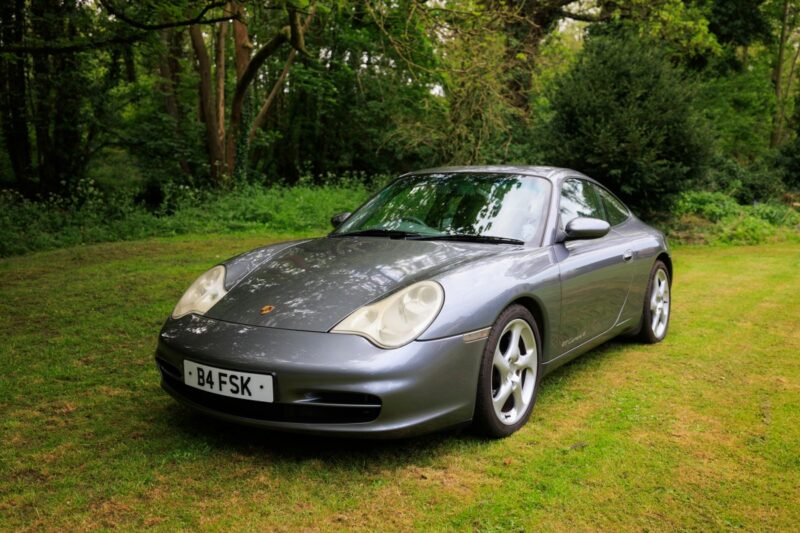
The most modern 911 you can buy for £20,000 and under, the 996 offers exceptional value when you consider the performance and equipment on offer. The 996 was the very first water-cooled 911, a notable departure from every generation that preceded it. But don’t be hoodwinked into thinking that means it’s not a ‘proper’ 911. On the contrary, the 996 has the rear-engine layout, the flat-six howl, and the iconic silhouette, at roughly thirty per cent of the cost of a 993 or 964. Some would call it the ‘Goldilocks 911’; compared to the 991 and 992 generations that followed, the 996 is small and lightweight, and it still uses hydraulic power steering rather than the far less communicative electric system fitted to later 911s. Tiptronic Carrera 4S models are perfect for relaxed touring and daily driving duties, while rear-wheel drive manual examples are coveted amongst keen drivers, and the Turbo features the fabled Mezger engine.
Mercedes-Benz SL R129 500 SL
- Average Price Range: £10,000 – £25,000
- Production Run: 1989–2001
- Horsepower: 322 bhp
- Top Speed: 155 mph (Limited)
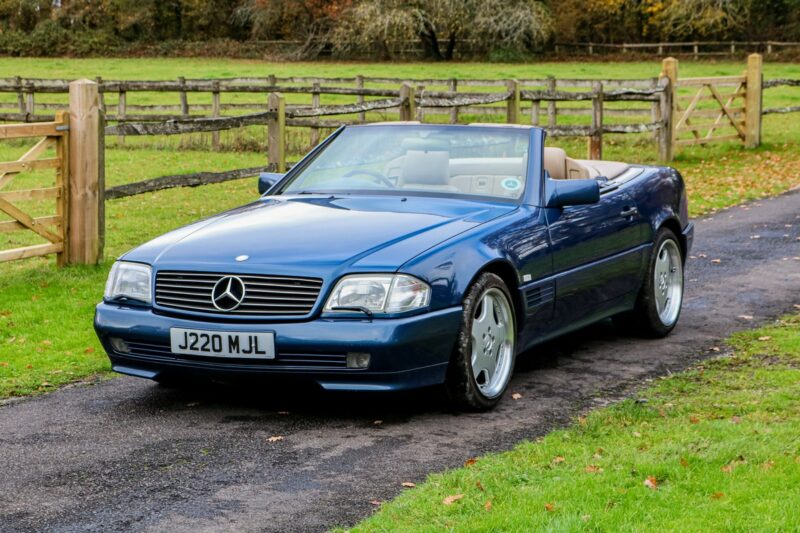
In typical Mercedes-Benz fashion, the SL brings together unparalleled engineering, build quality and style to make one of, if not the greatest convertible the world has ever seen. The R129 generation is no exception. Designed under the watchful eye of the late great Bruno Sacco, the R129 marked a radical departure from its R107 predecessor, which had been quite similar to the W113 ‘Pagoda’ that came before. The R129 was angular and sleek, featuring the signature ‘Sacco Planks’. It was also packed with new tech, most notably a complex ‘hydroelectric’ power soft top, the first SL to have this feature. You still got the removable hard top, too, including an optional panoramic version. As SL customers had already become accustomed to, the R129 came with a range of engine options, to which had been added a brand-new V12 option: the 600 SL. £20,000 will buy a really good SL from this era, while projects can be snapped up for considerably less.
FAQs
What is the best classic car to buy in the UK?
The ‘best’ classic car for you depends on your budget, requirements and taste, but we would recommend British classics for UK roads. Old-school British sports cars are purpose-made for twisty, bumpy B roads after all. MGBs, Austin Healeys and the like are distinct from European and US convertibles in that they come with Tonneau covers, ready to be deployed for Britain’s famously inclement weather. Similarly, Land Rovers and Range Rovers are immense fun in the UK, with a huge native following and several events in which they can be put through their paces off the beaten track.
What classic cars are still affordable?
There are so many undiscovered gems, several of which we’ve profiled in this piece. The definition of ‘affordable’ varies depending on your circumstances of course, but the great thing about the classic car hobby is that there are classics for such a broad range of budgets. Promising projects can be bought for as little as hundreds of pounds, whereas a few thousand can buy something that’s ready to enjoy. More humble classics, like family saloons, are generally quite affordable. You may not be getting something sporty, rare, or especially stylish, but there’s a great deal of enjoyment to be had just by driving something old. Something that isn’t one of the homogenous SUVs that plague the roads today.
Which classic cars go up in value?
While the classic car market is influenced by several factors, nostalgia has long played a significant role. However, the “everything goes up” era of the mid-2010s is now over. Collectors are increasingly focused on scarcity, cultural relevance, and “analogue” driving experiences.
Shifting enthusiast demand:
We’re seeing declining interest in pre-war motoring, and many early mid-century classics are also struggling as their enthusiast base ages. In contrast, demand has surged for cars from the 1980s, 1990s, and 2000s. This includes hot hatches, fast Fords, and so-called “Peak Cars” produced from the late 1990s through to around 2015.
How to spot future collector cars:
Identifying future collector cars can be challenging, but rarity and usability are key indicators. Vehicles that are close to turning forty years old—and therefore becoming road tax (VED) and MOT-exempt—often see a boost in desirability once they cross that threshold. It’s also worth keeping an eye on cars that have recently dipped in value, as markets tend to recover over time.
A note on long-term value:
For example, many buyers who purchased Jaguar E-Types at the peak of the market ten years ago have likely seen a drop in value. That said, they remain exceptional cars, and there’s every chance prices will recover in the long term. It’s also unlikely they’ll become significantly cheaper. Ultimately, choosing the “best” collector car is never an exact science. If in doubt, buy what you love. Even if you don’t end up quids in, the enjoyment along the way will almost certainly be worth it.
Are classic cars exempt from ULEZ?
As a general rule, vehicles over forty years old, which have been declared ‘Historic’ are exempt from ULEZ as well as road tax and MOT. There are, however, some exceptions, which can relate to commercial vehicles, or if your vehicle is used in any way commercially. It is advisable to check the official Transport for London (TFL) site to determine what charges you may have to pay to drive your vehicle in London’s ULEZ zones.
Is a Classic Car Worth Owning in the UK?
The short answer is “yes”. The UK is unusual in that it offers road tax and MOT exemption for ‘Historic’ vehicles, as well as typically cheaper insurance premiums. There are myriad UK-based events, clubs and communities with which to enjoy a classic. Great Britain has one of the most active classic car scenes found anywhere in the world. Here at Car & Classic, we fundamentally believe that owning a classic is food for the soul. If you love driving, then older cars offer the best way in which to enjoy it.