Beschreibung
- Begehrenswerte Serie 1 - 2016 aus Italien importiert - Viele kürzlich durchgeführte mechanische Arbeiten - AR2278924 - 14403 Kilometer (angegeben) - 1298ccm - manuell - Rot - Schwarz - Linkslenker - Benzin Fahrzeugübersicht 'WGU 530F' ist ein Lancia Fulvia Rallye aus dem Jahr 1968, der Jahrzehnte in derselben Familie verbracht hat und schließlich 2016 von Italien nach Großbritannien und ein Jahr später in die Obhut des Besitzers überging.
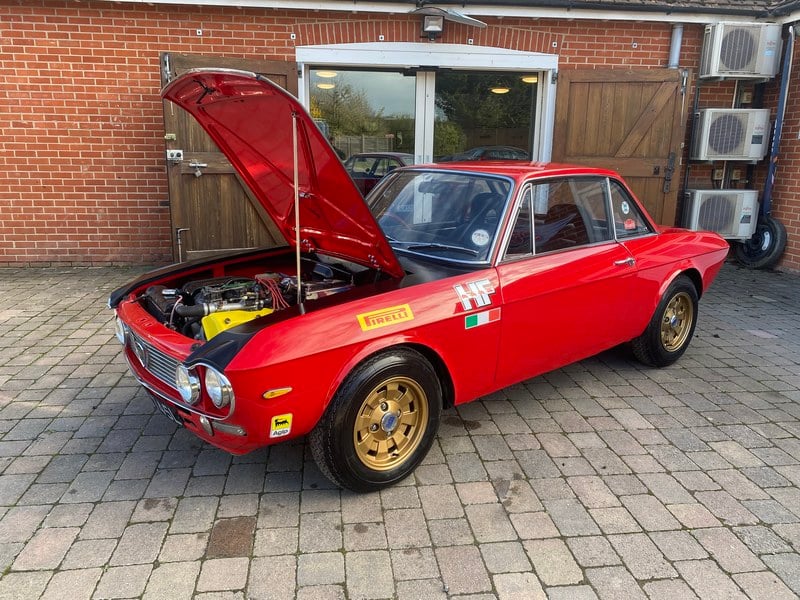
Er ist in Rot lackiert und mit dem 1. 3-Motor und einem Viergang-Schaltgetriebe ausgestattet. Er wurde leicht aufgefrischt und das Interieur präsentiert sich sehr gut, wobei einige mechanische Komponenten überholt wurden. Der Motor läuft etwas rau und könnte eine Überholung vertragen. Da er nur zum Verkauf steht, weil der Verkäufer mehr Zeit damit verbringt, seinen Lotus Elise zu fahren, als dies hier zu tun, ist die notwendige Überarbeitung der Karosserie eine sehr kostengünstige Möglichkeit, einen italienischen Sportwagen zu erwerben, von dem Sie dachten, Sie könnten ihn sich nicht mehr leisten. Äußeres Die kecken Linien der Fulvia widerlegen die Lüge, dass eine Dreibox-Silhouette schäbig sein muss, denn kein Auto ist schöner als dieses Coupé, trotz der trügerischen Schlichtheit seiner Linien.
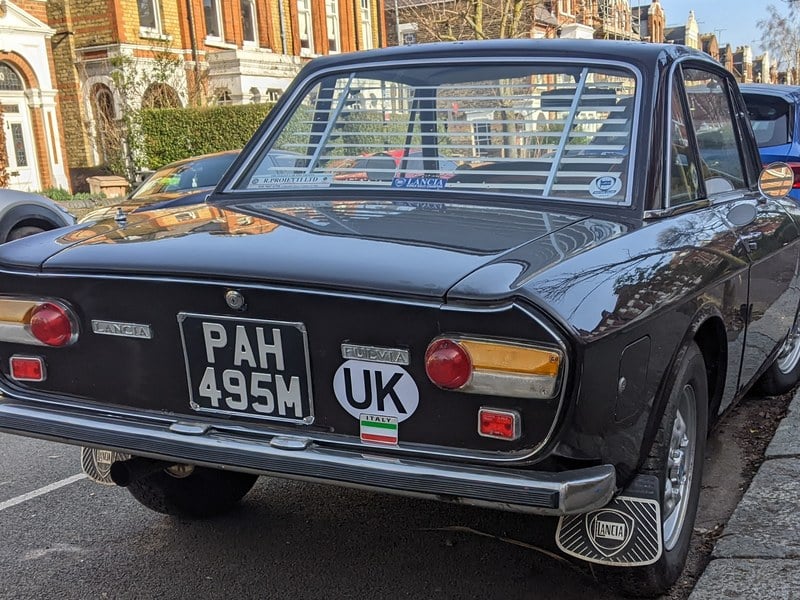
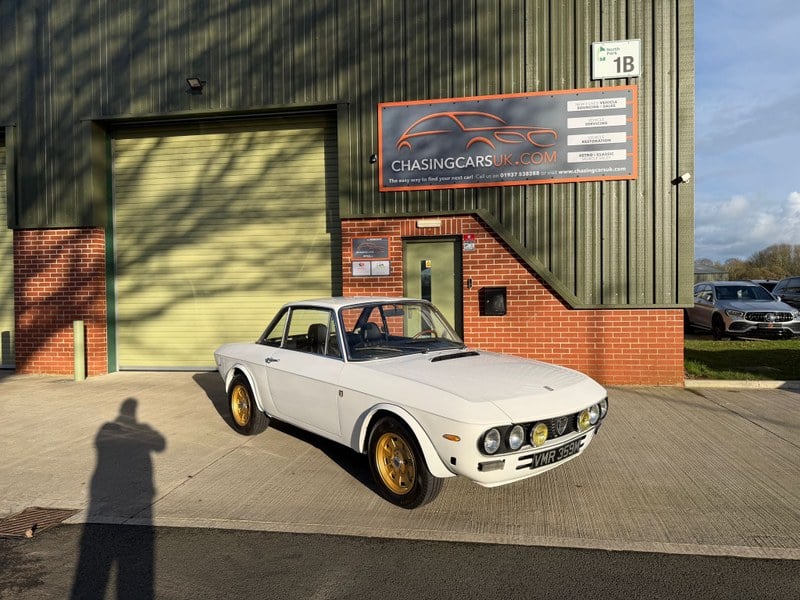
Und diese Schlichtheit wird durch einige schöne Details wie die bescheidenen Chromstoßstangen vorne und hinten, die zierlichen Türgriffe auf beiden Seiten, die Vierfach-Scheinwerfer, die den Weg ausleuchten, und ein Paar wunderschön gestaltete Rückleuchten unterstrichen. Die glänzende rote Lackierung und das glänzende Chrom machen einen guten Eindruck, auch wenn der Lack einige Schönheitsfehler und Blasen aufweist. Die Motorhaube und der Kofferraumdeckel sind aus leichtem Aluminium, wie es sich für frühe Fulvias gehört. Er hat auch gute Plaketten und einen Satz Stahlfelgen für den Sieg. Sie mögen zwar bescheiden sein, aber sie wurden erst kürzlich aufgearbeitet und sind mit einem guten Satz verchromter Radkappen und brandneuen, zeitgemäßen Pirelli Cinturato CA67-Reifen ausgestattet - dem perfekten Gummi für die Aufhängungsgeometrie und das Fahrverhalten der Fulvia. Innenraum Der Innenraum dieser Fulvia ist erhaben; Lancia war sehr auf die gehobene Ausstattung bedacht, und nirgendwo wird dies deutlicher als hier, wo hochwertige Materialien wie Chrom, Leder und Holz tadelloses Design zu etwas machen, das man anfassen kann.
Die Sitze zum Beispiel sind dezent und elegant, aber dennoch stützend und bequem; das technische Sprichwort "wenn es richtig aussieht, dann ist es richtig" war noch nie so wahr - und sie sind in großartigem Zustand, prall und praktisch unversehrt. Das hölzerne Armaturenbrett ist elegant, da es mit echtem Holzfurnier aufgearbeitet wurde, während es in der Obhut des Verkäufers war. Es beherbergt auch eine Reihe von wunderschön beschrifteten Veglia-Instrumenten, wobei der jetzige Besitzer neue Warnleuchtengläser und -beleuchtungen installiert hat. Die originalen Gummifußmatten der Fulvia sind vorhanden und korrekt und in gutem Zustand, ebenso wie ein originaler Satz Lancia-Schlüssel. Es gibt auch eine zeitgemäße Sicherheit in Form eines freiliegenden Lenkradschlosses, das eine der Rippen des holzumrandeten Zweispeichenlenkrads klemmt, das in ausgezeichnetem Zustand ist. Und es gibt auch kein unansehnliches Radio, das im Armaturenbrett verkeilt ist - die korrekte Abdeckplatte und der Fulvia-Schriftzug aus Metall sind erhalten geblieben. Was den Rest betrifft, so sind die Türkarten sehr schön und der Dachhimmel ist fest und straff, auch wenn er etwas schmuddelig ist. Der gut dimensionierte Kofferraum enthält ein Reserverad und dessen Abdeckung sowie ein Warndreieck und den Werkzeugsatz. Mechanisch Ein gutes Viergang-Schaltgetriebe wurde 2018 von der Heath Motor Company aus zwei gebrauchten Getrieben zusammengebaut, wobei brandneue Ringe, Schaltbuchsen und Öldichtungen eingebaut wurden, bevor es mit einer neuen Kupplung und einem neuen Ausrücklager wieder eingebaut wurde. Die Fulvia hat in den letzten Jahren auch von zwei überholten Solex-Vergasern, einer elektrischen Kraftstoffpumpe und einem Filter King-Kraftstoffdruckregler profitiert. Eine neue Batterie wurde ebenfalls eingebaut, und der Verkäufer sagt uns, dass sie startet und fährt, aber von einer Überholung und einem Service profitieren würde. Was die Aufhängung betrifft, so hat der Besitzer die müden Originaldämpfer an allen vier Ecken durch einstellbare Spax-Dämpfer ersetzt. Während des Besitzes des Verkäufers wurde auch ein neuer Hauptbremszylinder eingebaut, und das Lenkgetriebe wurde so eingestellt, dass es nur minimales Spiel im System hat. Wenn man über die Schmuddeligkeit und den Oberflächenrost an einigen Komponenten hinwegsehen kann, sieht man solides, gut lackiertes Metall an den inneren Kotflügeln, was wichtig ist. Es gibt auch etwas, das wie die originale Chassisplatte aussieht. Die Unterseite scheint durch Unterbodenschutz gut geschützt zu sein. NB: Es werden auch einige Ersatzteile mitgeliefert, aber, wie der Verkäufer es ausdrückt, sind sie "nichts Besonderes". Der Lancia Fulvia, der 1963 auf dem Genfer Automobilsalon vorgestellt wurde, ist nicht nur ein hübsches Gesicht, sondern mit seinem Frontantrieb und dem V4-Motor auch aus technischer Sicht ein interessantes Fahrzeug - ganz zu schweigen von seinem beachtlichen motorsportlichen Stammbaum. 1965 wurde die Limousine durch ein Coupé ergänzt, und die Fulvia wurde 13 Jahre lang produziert, wobei sie langsam an Kapazität und Gewicht zunahm, als sich die Anforderungen der Kundschaft änderten. Sie begann mit einem 58 PS starken 1100-ccm-Motor und wurde im Laufe der Jahre weiterentwickelt. Der 1, 3-Liter-Motor, um den es hier geht, leistet respektable 79 PS, genug, um das geschmeidige italienische Leichtgewicht - es wiegt weniger als eine Tonne - in knapp zwölf Sekunden auf Tempo 100 zu beschleunigen. Der Lancia 1. 3S Rallye ist endlich in der Lage, genügend Leistung für sein umwerfendes Aussehen aufzubringen, und schickt seine Kraft über ein Viergang-Getriebe an die Vorderräder.
Dunlop-Scheibenbremsen an allen vier Ecken helfen, ihn schnell zum Stehen zu bringen, und sie sind leicht zu dosieren, um ein Blockieren der Räder zu vermeiden, wenn es rutschig wird. Werks-Fulvias traten zwischen 1965 und 1974 ein Jahrzehnt lang an und gewannen bei so unterschiedlichen Veranstaltungen wie den 24 Stunden von Daytona, der Safari-Rallye und der Targa Florio. Das amerikanische Motormagazin Road & Track beschrieb die Fulvia als "ein Präzisionsauto, eine technische Meisterleistung", eine Beschreibung, der auch heute noch kaum jemand widersprechen würde.