
Porsche Cars
Your comprehensive research hub for models, generations, specifications, and live marketplace activity.
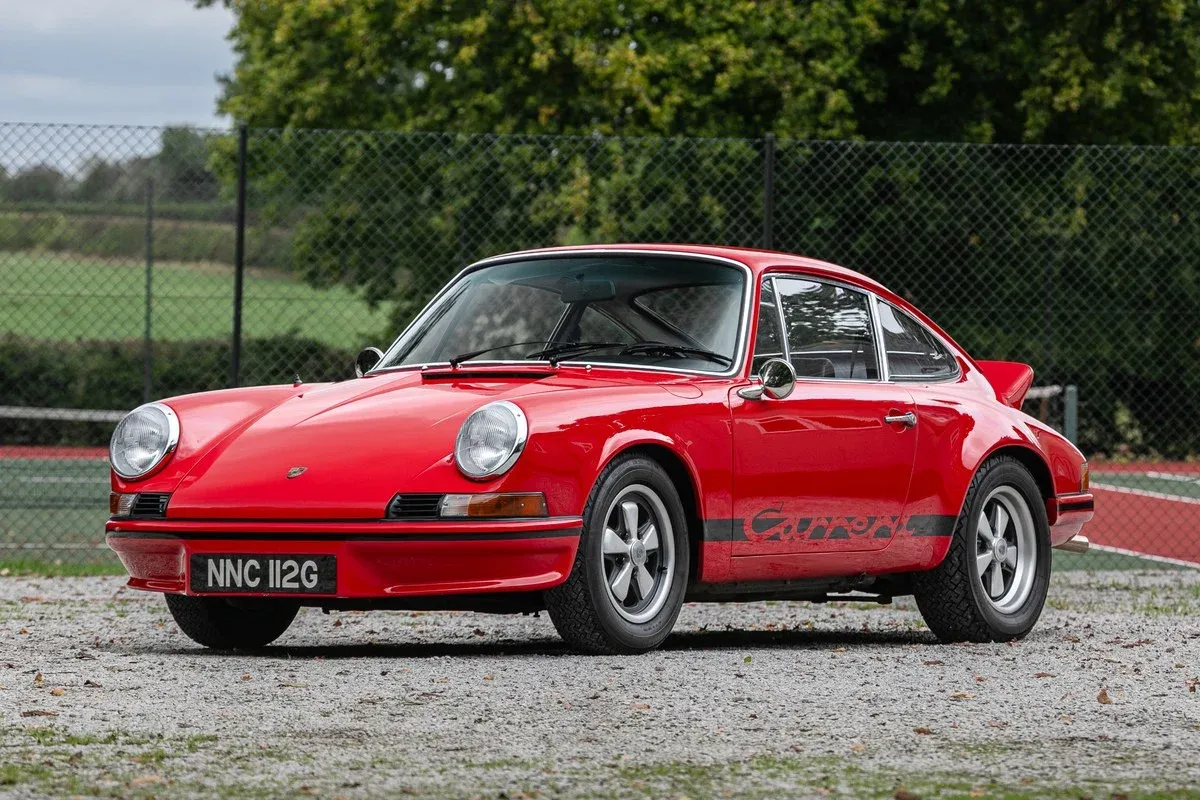
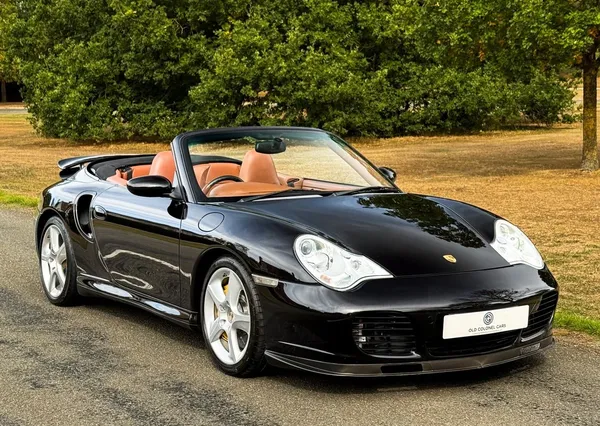
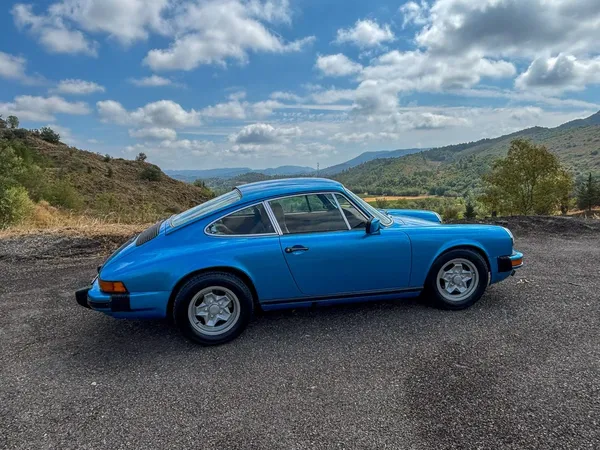
What Porsche stands for
Engineering first. Porsche began as a design consultancy, and its cars still prioritise engineering ahead of ornamentation.
Racing pedigree. Competition has always powered the road cars, from class wins in the early 1950s to overall victories at Le Mans.
One enduring icon. The 911 has kept its rear-engined layout and silhouette for six decades, a continuity few other cars can match.
Overview
While other sports car manufacturers feel the need to launch new models every few years, Porsche has had no such qualms. Each model has been shaped by engineers who treat the racetrack as a test bench, so a classic Porsche is rarely just a pretty shape. It’s a car built to be driven hard (and often), engineering in a durability that makes Porsche one of the most usable classic marques to own or collect.
History
Ferdinand Porsche set up a design office in Stuttgart in 1931, working for other manufacturers and memorably penning the Volkswagen Beetle. After the Second World War, Ferdinand’s son Ferry built the first car to wear the Porsche name: the 356 roadster, which was completed in 1948. Production moved from an Austrian sawmill to Stuttgart in 1950, and a 356 claimed a class win at Le Mans the following year.
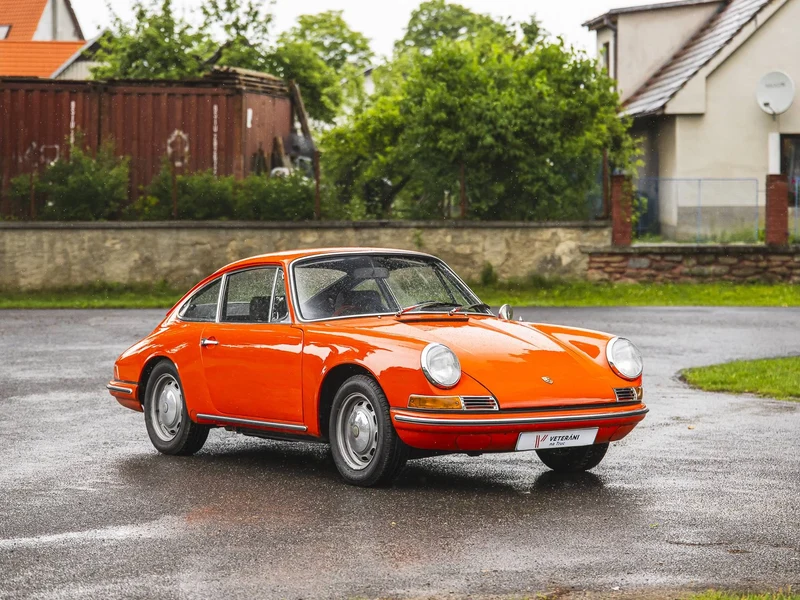
The 901 was revealed at the 1963 Frankfurt Motor Show. Peugeot immediately objected to the use of a central zero in the name, so it went on sale as the 911 and had replaced the 356 within two years. The four-cylinder 912 offered a cheaper way into Porsche ownership. The 914 followed in 1969, developed jointly with Volkswagen, and the next year saw the 917 give Porsche its first overall Le Mans win.
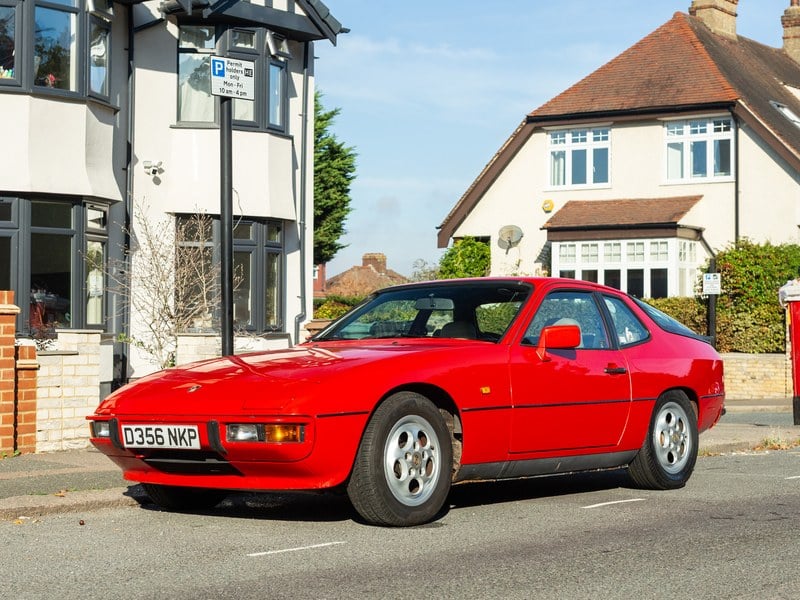
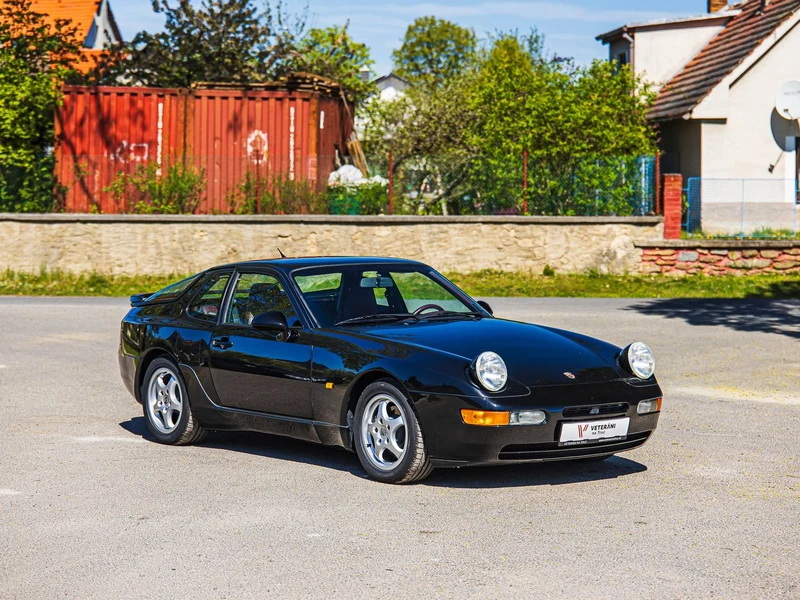
In the mid-1970s, Porsche tried to look beyond the 911. The 924 started life as a Volkswagen-Audi project and was built at Audi’s Neckarsulm plant, while the V8 grand tourer 928 rather improbably became the European Car of the Year in 1978. The 944 arrived in 1982, followed by the 968, but the 911 survived plans for its replacement and outlasted all its siblings.
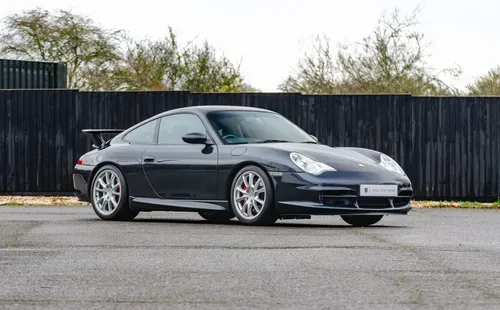
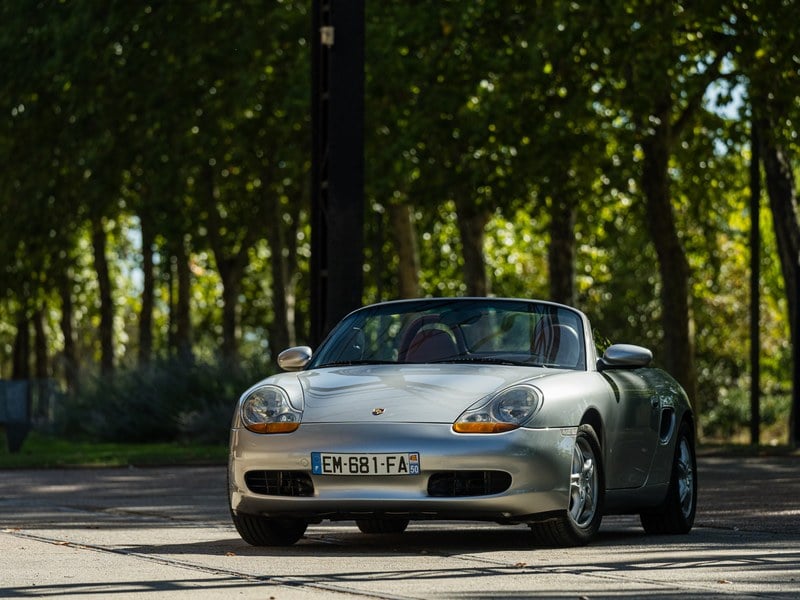
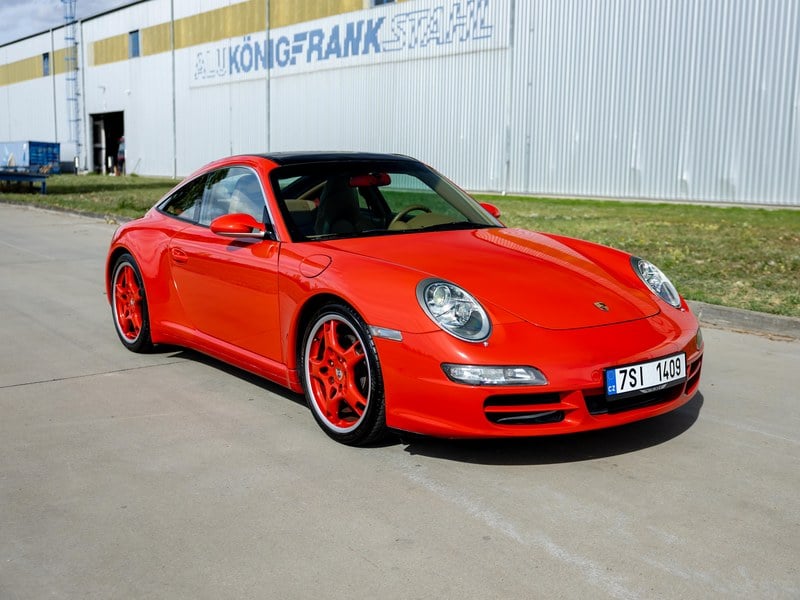
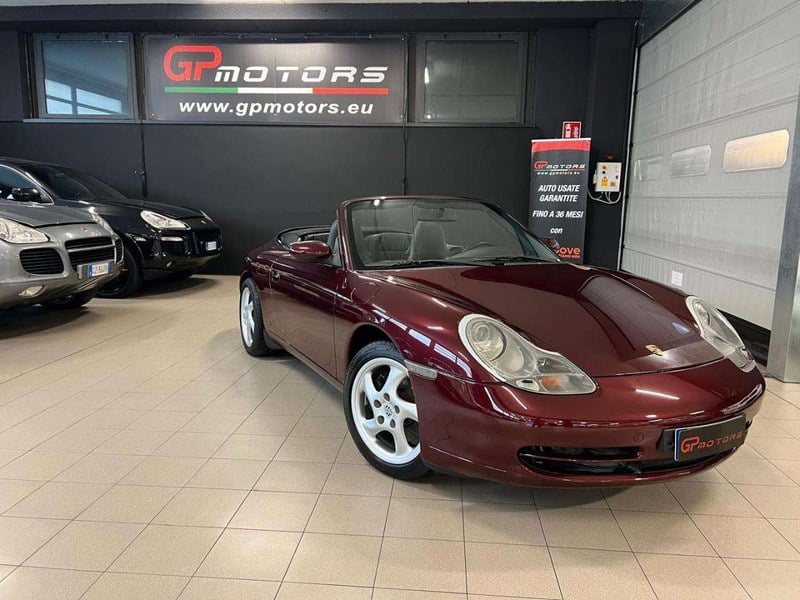
By the early 1990s, sales had collapsed and the company was in serious financial trouble. Porsche adopted lean production methods and launched the 1996 Boxster. The 996-generation 911 arrived in 1997, heretical in some quarters not just for being water-cooled but also for sharing parts with the Boxster. Even worse for purists, the Cayenne SUV followed in 2002, though its success did at least change the company’s finances for the better.
Holding company Porsche SE attempted to take over Volkswagen in 2008–09 but failed. Perhaps not by coincidence, Volkswagen Group took full ownership of Porsche AG in 2012. Porsche AG was floated on the Frankfurt Stock Exchange in 2022, with Volkswagen keeping majority control.
In the UK, Porsches were first imported by AFN Ltd of Isleworth from the early 1950s. Porsche Cars Great Britain was later formed alongside AFN, and Porsche AG took full control of the UK operation in the 1980s. Right-hand-drive 911s and the transaxle models became staples of the UK market; the 924 and 944 were many British drivers’ first experience of a Porsche, and the Boxster later played the same role.
Popular Porsche models
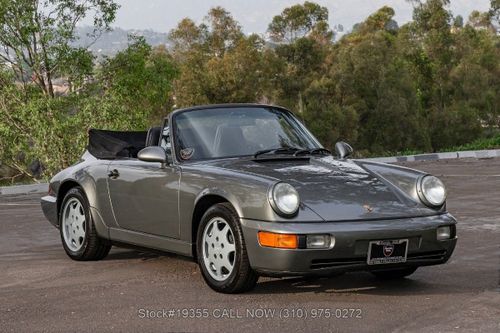
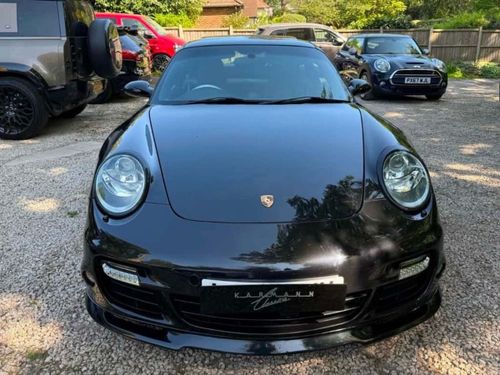
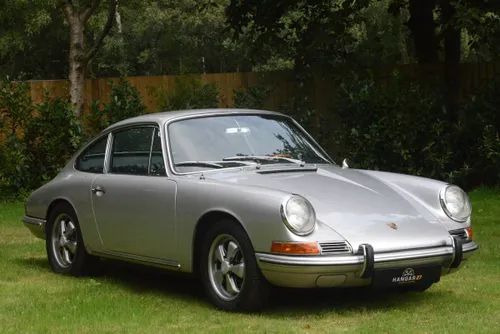
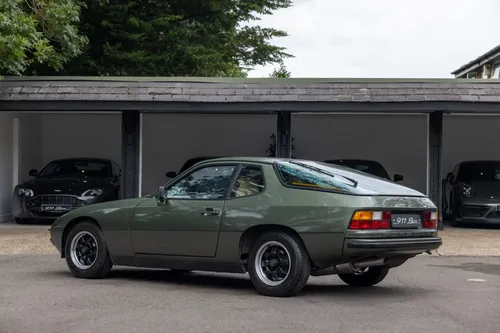
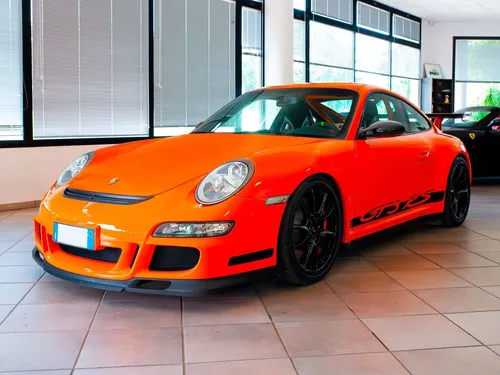
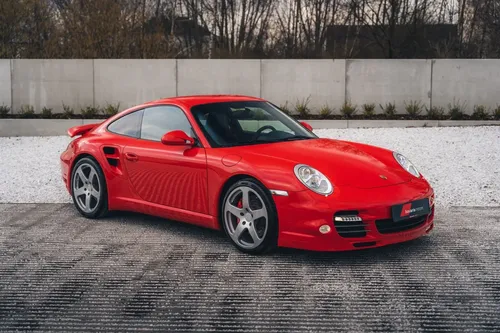
Family Tree
Porsche AG belongs to the Volkswagen Group. This places it alongside Volkswagen, Audi, Bentley, Lamborghini, Škoda, SEAT and Cupra. Shared engineering runs both ways; the 914 used Volkswagen four-cylinder engines in its 914/4 form, while the 924 used an Audi-derived 2.0-litre engine. More recently, the Cayenne has shared its platform with the VW Touareg and Audi Q7, the Macan with the Audi Q5, and the Taycan with the Audi e-tron GT.
Porsche Engineering has also carried out contract work for other makers. Its projects include the Audi RS2, which Porsche helped build, and the Mercedes-Benz 500E, which was partly assembled at Porsche’s Zuffenhausen facility. Even more surprisingly, Porsche-Diesel tractors were built under licence in the 1950s and 60s, while Porsche now holds a stake in the Rimac Group.
Key Models
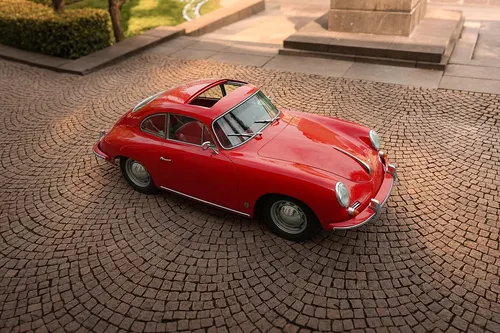
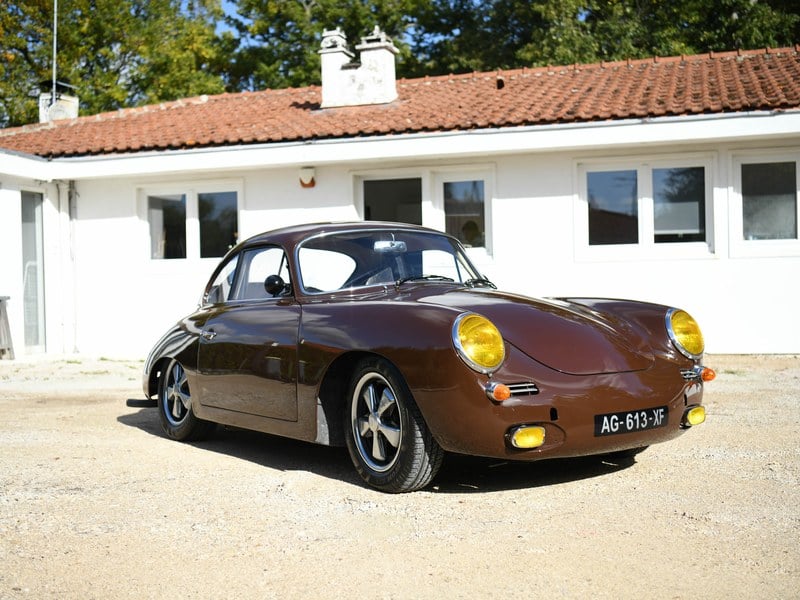
356 (1948–1965): The first Porsche, and the vehicle that proved a small, lightweight sports car could win on both road and track.
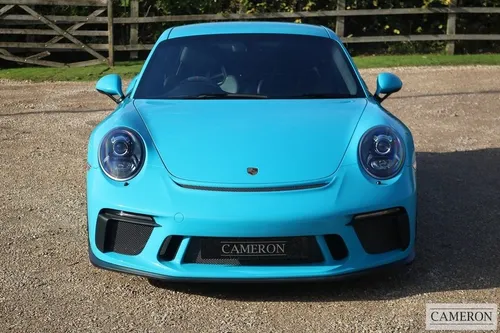
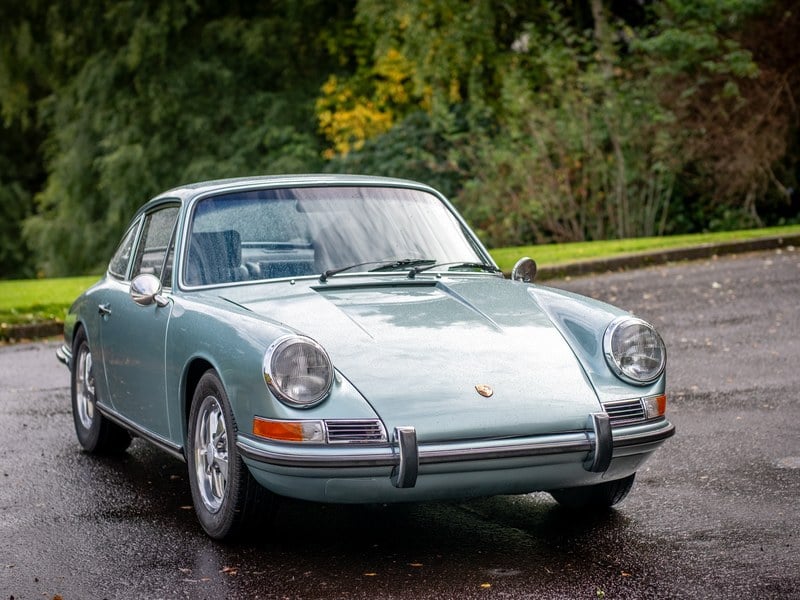
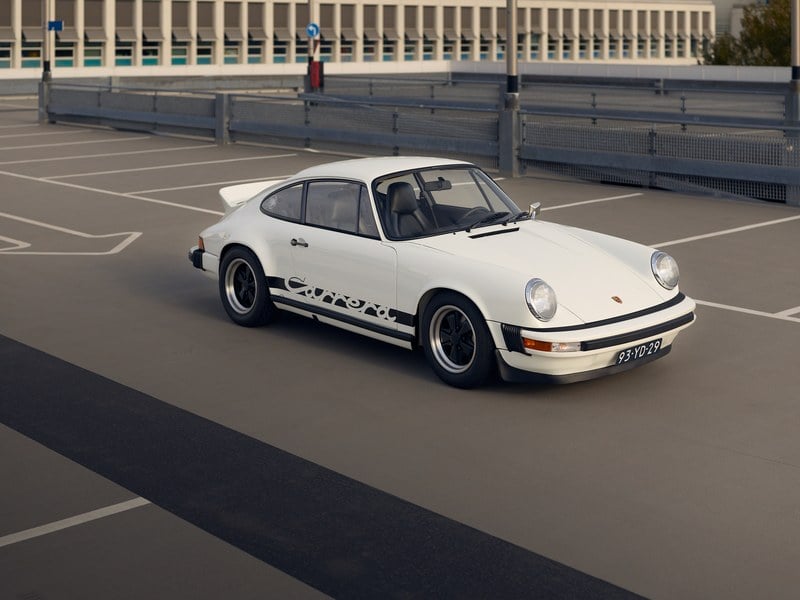
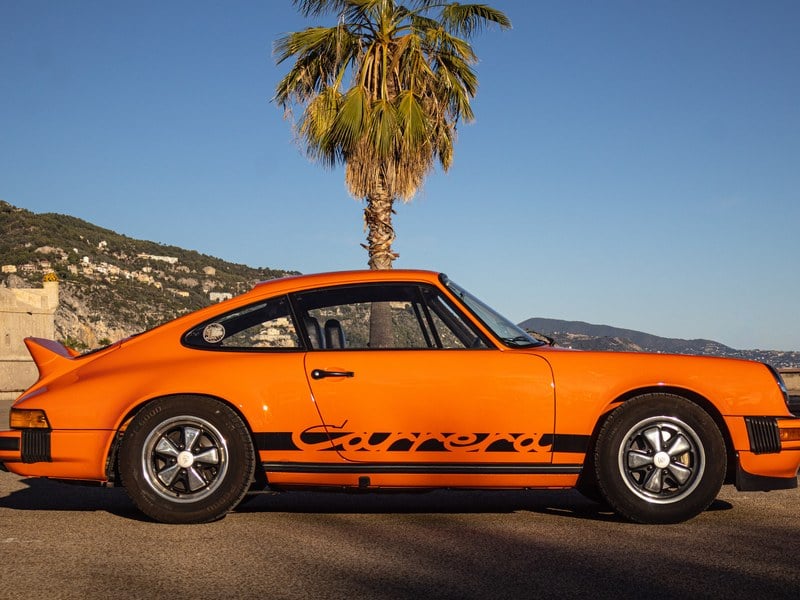
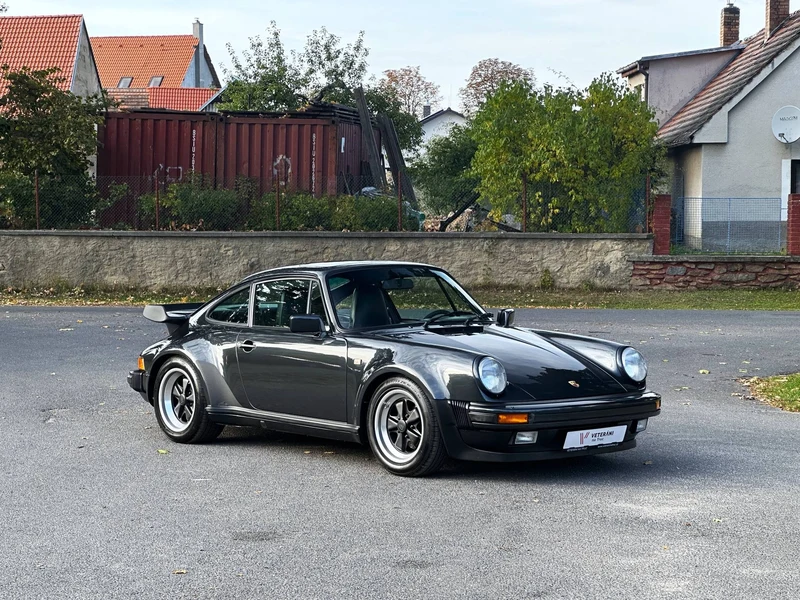
911, air-cooled (1964–1998): The defining Porsche, and the benchmark against which every later car is judged. Turbo models were Eighties pin-ups.
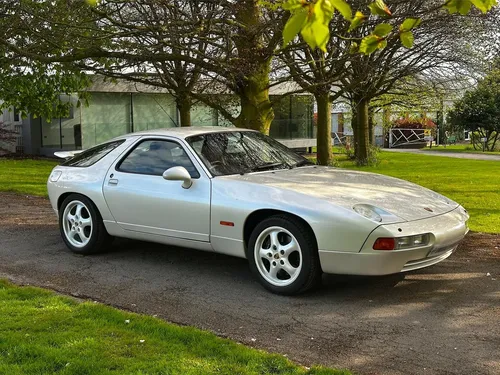
928 (1977–1995): A front-engined V8 grand tourer intended to replace the 911, now recognised as an advanced GT in its own right.
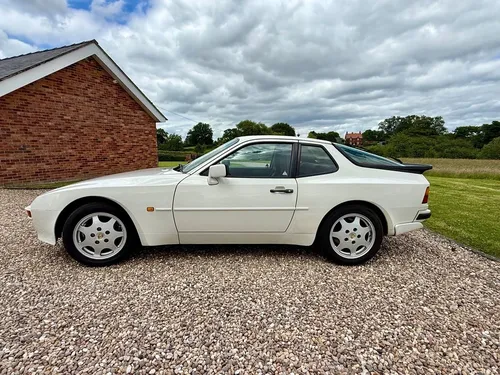
944 (1982–1991): Porsche’s best-selling transaxle car in the UK, and still the most accessible route into classic Porsche ownership.
Cayenne (2002-present): Heresy or genius? Despite questionable looks, the company’s first SUV was instrumental in Porsche’s long-term survival.
Safety & Brand Philosophy
Porsche is arguably defined by the constant refinement of a proven concept rather than reinvention. Ferry Porsche’s habit of fettling an existing design explains why the 911’s flat-six stayed behind the rear axle for decades, forcing the company to endlessly engineer out the tail-happy handling that reached its nadir in the Turbo.
Racing has also driven many of the brand’s signature innovations. The 917 pioneered the turbocharging that reached the road in the 930. The PDK dual-clutch gearbox was developed on the 956 and 962 race cars, and the 959 brought computer-controlled four-wheel drive to the road.
Durability is part of the brand’s identity. Porsche hot-dip galvanised 911 bodyshells from the 1976 model year onwards, so a high proportion of all Porsches ever built are still on the road. Sadly, many went off the road under heavy acceleration; safety has generally arrived as part of performance engineering rather than as a brand pillar. Examples include four-wheel drive in the Carrera 4 and the introduction of Porsche Stability Management in the late 1990s.
Porsche Price Guide
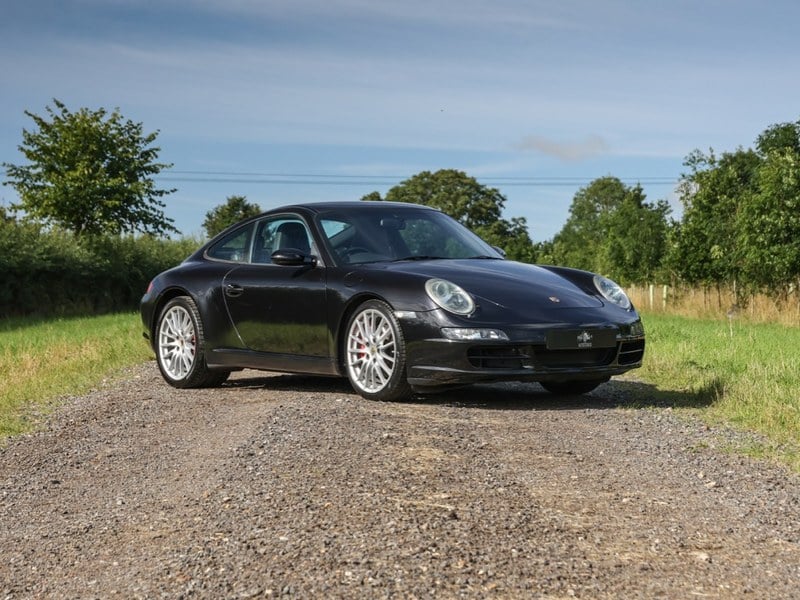
The Porsche market covers such a broad spectrum that price data can only ever be indicative. Early 911s, the 356 and limited-run specials sit at the top, transaxle cars and 986 Boxsters form the entry level, while the 996 and 997 generations fill the middle ground. Originality, documented history and UK right-hand-drive specification all carry a premium on every model.
| Model & generation | Avg price (GBP) |
|---|---|
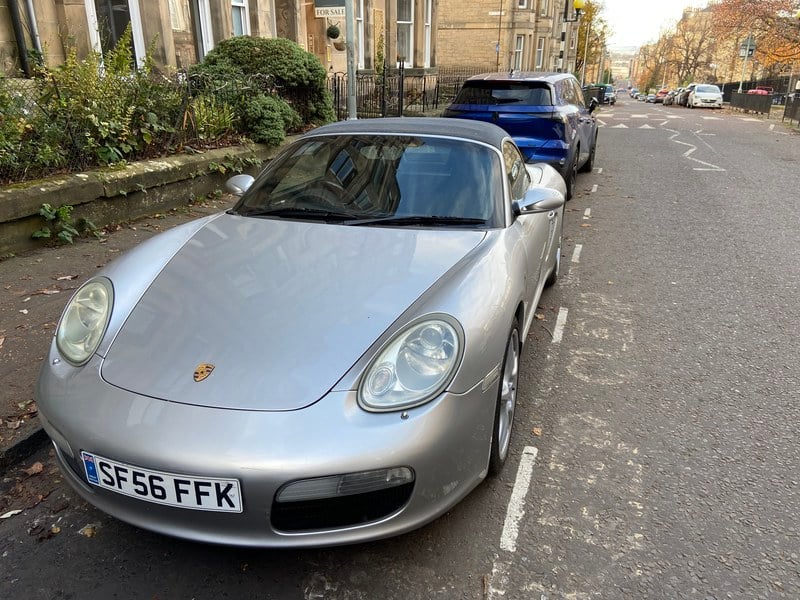
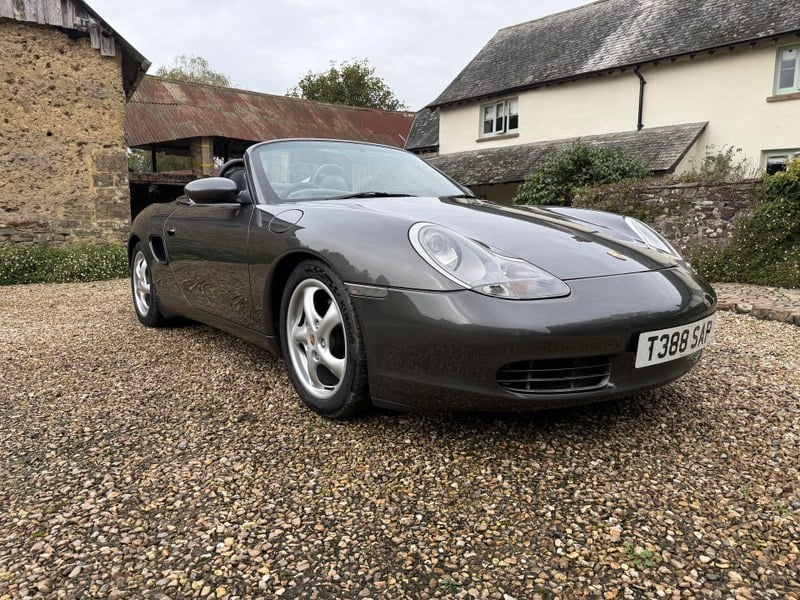
| Boxster | £17,789 |
| Cayenne | £51,544 |
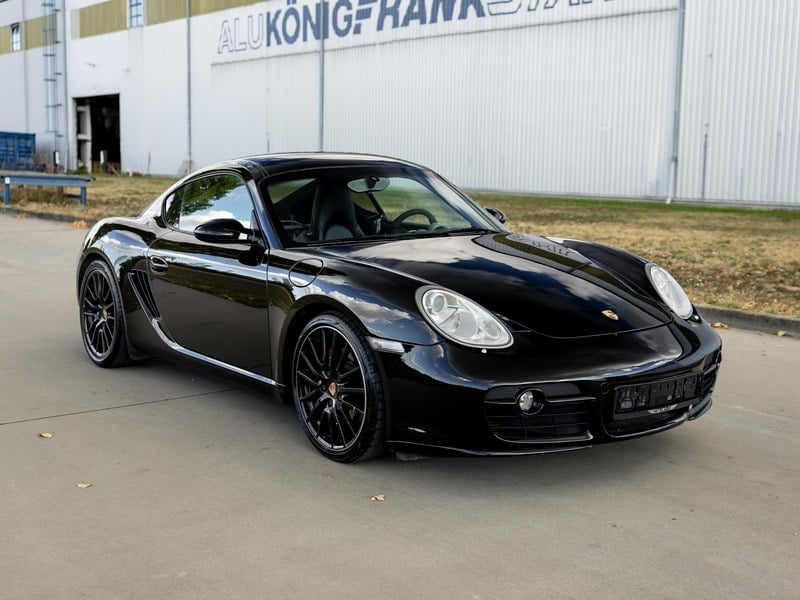
| Cayman | £44,262 |
| Macan | £41,577 |
| Panamera | £46,661 |
| Taycan | £52,967 |
Prices are estimates based on current collector market trends for classic Porsche models. Actual sale prices may vary depending on condition, provenance and rarity.
Buying Tips
UK-supplied right-hand-drive cars are generally preferred and command higher prices. Left-hand-drive imports are common from Germany and the US, but the latter may differ in bumpers, lights and emissions equipment. The 914 was only built in left-hand drive, so every UK example is an import.
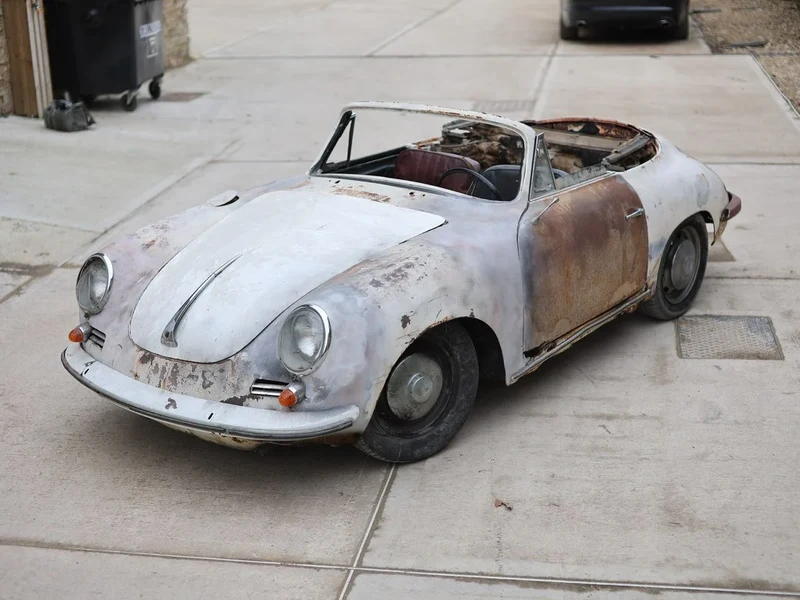
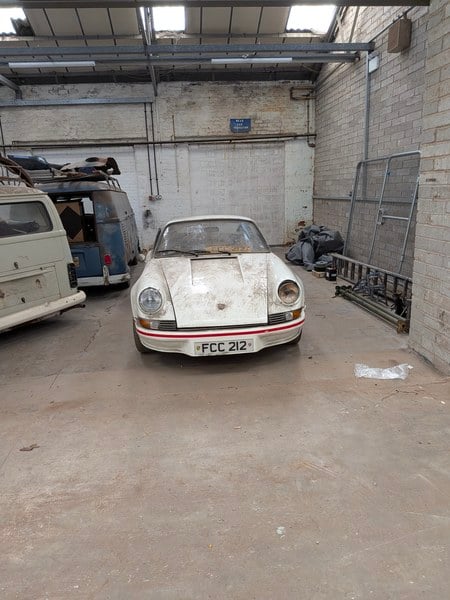
Parts supply is excellent. Porsche Classic supports older models with factory parts and remanufactured components, and a large network of UK independent specialists covers servicing, engine rebuilds and restoration. Speaking of which, barn-find 911s are rare and expensive, so restoration projects are more often found among 912s, 924s, 944s and 928s.
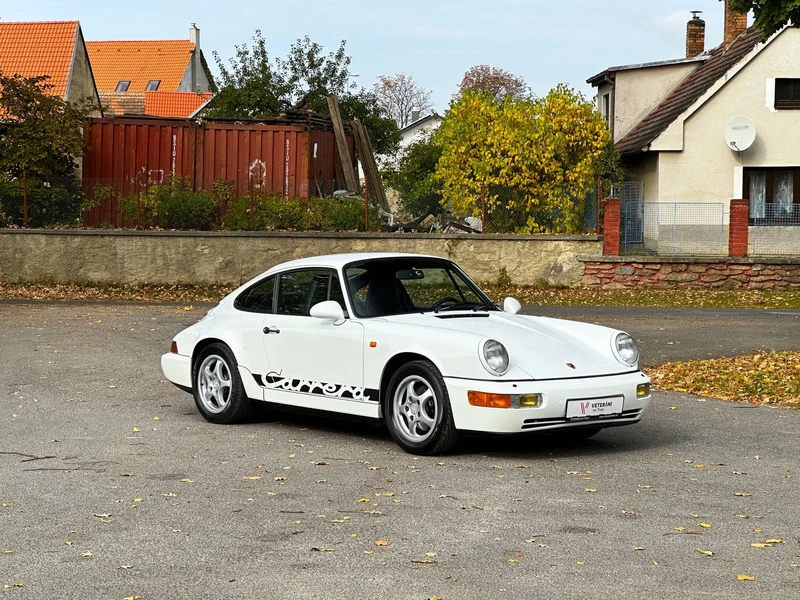
When searching for cars, also look under VW-Porsche (914), 930 (911 Turbo), Carrera, and generation codes such as 964, 993, 996, 986 and 987. You can seek advice on the myriad 911 versions from the Porsche Club Great Britain, which has regional groups and model registers.


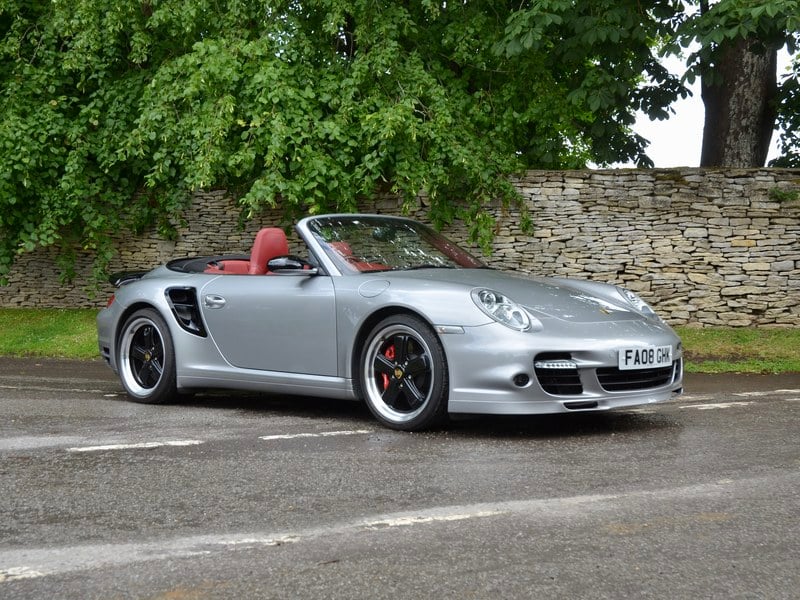














Frequently asked questions
Who owns Porsche?
Porsche AG is majority-owned by the Volkswagen Group, which took full control in 2012 before floating part of the company on the Frankfurt Stock Exchange in 2022. Confusingly, Volkswagen itself is controlled by Porsche SE, a holding company run by the Porsche and Piëch families, so the founding family still has a strong level of involvement.
Where is Porsche from?
Porsche is a German company headquartered in Zuffenhausen, a district of Stuttgart where it has built cars since 1950. The very first Porsche, the 356, was built in Gmünd, Austria, where the company had relocated during the war. Ferdinand Porsche had founded the company in Stuttgart in 1931 as an engineering and design consultancy working for other manufacturers, and it only became a car maker in its own right in 1948.
Where are Porsches made?
Sports cars including the 911 are still built in Zuffenhausen, while the Leipzig plant, opened in 2002, builds models including the Macan and Panamera. The Cayenne is built in Slovakia.
Did Porsche design the Volkswagen Beetle?
Ferdinand Porsche’s design office developed the Beetle in the 1930s, and early Porsche 356s used many Volkswagen-derived components. That link is the root of the long relationship between the two companies, and the disparaging comments about 911s being glorified Beetles.
Why is the Porsche 911 called the 911?
It was originally going to be the 901, but Peugeot held the rights in France to three-digit car names with a zero in the middle. Porsche renamed it 911 before production began, and the name has stuck for six decades. It’s become Porsche’s best known car, though its motorsport record is also admirable, including 19 overall wins at the Le Mans 24 Hours. The first of those came in 1970, with Britain’s Richard “Dickie” Attwood sharing the winning 917.
Is Porsche a reputable brand for classic buyers?
Porsche is synonymous with robust engineering, a high survival rate and unusually strong factory support through Porsche Classic, which still supplies parts for older models. Combined with a large UK specialist network and an active owners’ club, classic Porsches are among the most usable and collectable cars on today’s market.