Beschreibung
Walk-around-Video
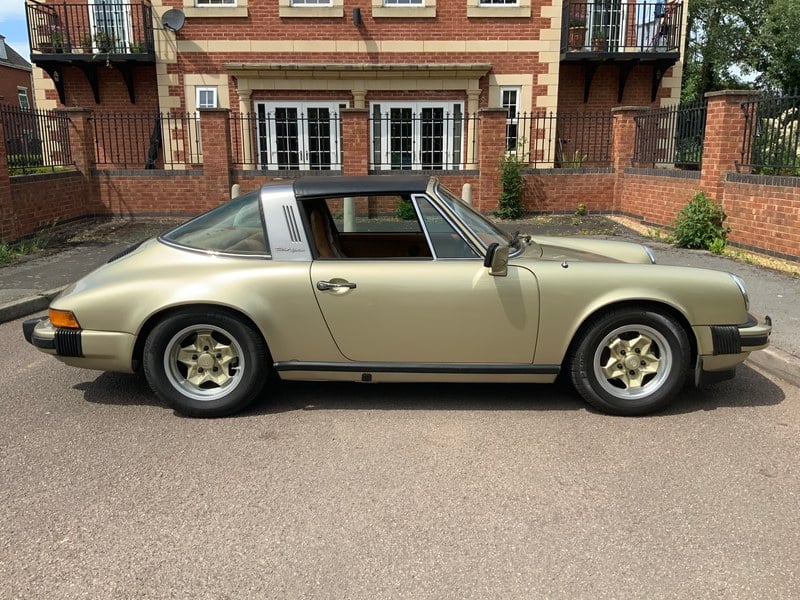
"Alex 97", so klang sein Spitzname, war der Stützpfeiler der niederländischen Bundespolizei.
Nach einer relativ kurzen Dienstzeit als Einsatzfahrzeug wurde er vom deutschen VW-Händler Pon übernommen und auf dem Gebrauchtwagenmarkt verkauft.
Der rechte Spiegel stammt von einem rechtsgelenkten 911, da der Beamte auch den Beifahrersitz als Co-Pilot nutzen konnte.
Anfangs weiß als Polizeiwagen, wurde er später schwarz neu lackiert.
Plan: das Auto restaurieren, um es in seinen ursprünglichen Zustand als Polizeifahrzeug zurückzuversetzen und ihm seinen Glanz von einst zurückzugeben.
Er kommt mit einer Fracht seltener Teile, ursprünglichen Papieren und einigen Rechnungen.
Die Porsche 911 ist die Ausnahme, die die Regel beweist "aller guten Dinge sind endlich".
Dieses zeitgenössische und luxuriöse, aber sportliche deutsche Auto wurde 1963 vorgestellt und wird auch heute noch in großer Stückzahl produziert.
Eine Palette von Varianten wurde ebenfalls entwickelt, um eine Bandbreite maßgeschneiderter Produkte zu imitieren.
Obwohl die 911 im Laufe der Jahrzehnte verfeinert wurde, blieb das unverwechselbare, grundlegende Design im Allgemeinen unverändert und damit sublim und ikonisch.
Dieser pragmatische und zeitgenössische Ansatz ist wirklich nur von Porsche gelungen.
Die 911 ist der Nachfolger des Porsche 356 und wurde von Ferdinand Porsche, dem Enkel des Gründers, entworfen und wurde dem Automobilausstellung Frankfurt vorgestellt im Herbst 1963.
Im Jahr 1964 wurden die ersten Modelle an Kunden geliefert und aufgrund des großen Erfolgs wurde die 911 rasch erweitert: eine günstigere 912, eine schnellere 911S und eine Targa-Cabrio mit Verstärkungsquerstreben und extrem sicher wurden eingeführt.
Diese Targa wurde nach einem jährlich von Porsche gewonnenen sizilianischen Rennen benannt.
Ursprünglich sollte dieses Auto Porsche 901 heißen, aber Peugeot war ein Hindernis, da ihre Modelle dreistellige Nummern mit einer 0 in der Mitte trugen.
"Kein Problem", sagte Porsche und sie ersetzten die 0 durch eine 1.
Die Porsche 911 war geboren!
Danach gab es weiterhin Porsche-Fahrzeuge, die mit dreistelligen Nummern mit einer 0 in der Mitte gebaut wurden, diese waren jedoch ausschließlich für Rennen und Rennstrecken bestimmt, nicht für Straßen.
Zweifellos wurde die 911 im Laufe der Jahre weiterentwickelt.
So beständig auch ein Design ist, die Zeiten ändern sich, und die Autos auch.
Porsche war immer bereit für Veränderungen und Innovation.
Porsche hat allmählich Hubraum, Leistung und Größe des Motors erhöht.
Die größte mechanische Veränderung war der Übergang von luftgekühlten zu wassergekühlten Motoren.
Wassergekühlte Motoren sorgen für eine gleichmäßige Abkühlung des Motors, was zu einer gleichmäßigen Verbrennung führt.
Porsche 911 2. 7
Für das Modelljahr 1974 vergrößerte Porsche erneut seinen legendären Sechszylindermotor. Von 2, 4 auf 2, 7 Liter, was den 911 von Natur aus leistungsfähiger macht. Jetzt leistet der berühmte Boxermotor 150 PS, was 148 kW entspricht. Darüber hinaus wurde das Design ästhetisch leicht geändert, insbesondere durch die Einführung von Faltstoßstangen, da die US-Gesetzgebung dies verlangte.
Technische Information:
Karosserie
Länge (cm): 429
Breite (cm): 161
Höhe (cm): 132
Radstand (cm): 227
Gewicht (kg): 1075
Mechanik
Motor: 2687 ccm Sechszylindermotor im Heck
Ventile: 12
Kraftstoffeinspritzung: Bosch K-Jetronic
Getriebe: manuelles Viergang
Antrieb: Hinterradantrieb
Linkslenkung
Maximale Leistung: 148 PS (110 kW) bei 5700/ min
Max Drehmoment: 236 Nm bei 3800/ min
Höchstgeschwindigkeit: 210 km/ h
Zögern Sie nicht, uns per E-Mail zu kontaktieren, um den Gutachtenbericht zu erhalten
Referenz ch0693
Marke Porsche
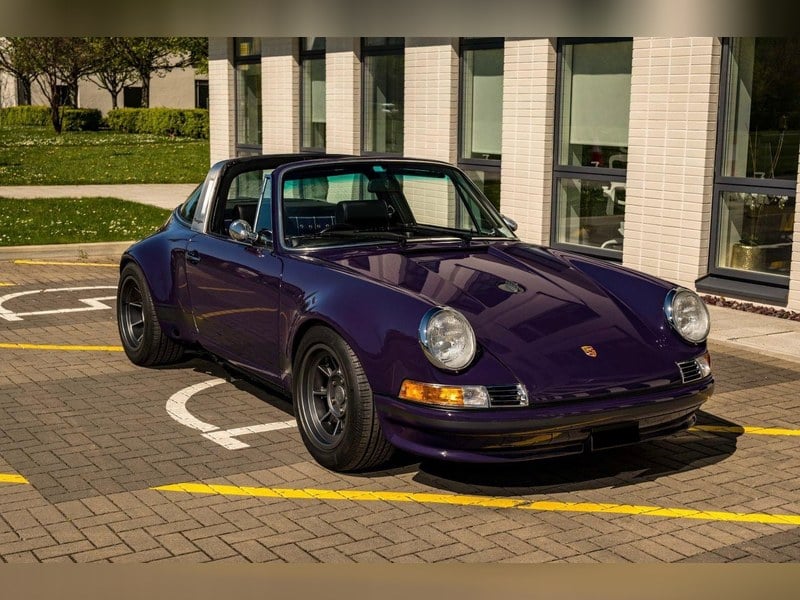
Modell 911 Targa Rijkspolitie "Alex 97" '75
Typ Targa
Baujahr 1975
KM 16893 km
Hubraum 2687
Getriebe manuell
Lenkung links
Preis € 66. 950