Beskrivning
När Stanley « Wacky » Arnolt, den amerikanske importören av MG och Bristol, fick syn på två prototyper av en sportbil på Bertones monter på bilsalongen i Turin 1952, blev han så imponerad att han beställde 100 exemplar av varje modell. Han såg till att MG sände chassierna till Turin, där bilarna karrossades av Bertone; så föddes Arnolt-MG.
Förutom MG var företaget S. H. Arnolt även USA-distributör för Bristol Cars.
På grund av framgången för Arnolt-versionen av MG beställde han av Bertone en skräddarsydd kaross till Bristol 404.
Inspirerad av sin berömda Alfa Romeo BAT skapade Bertones legendariske designer Franco Scaglione en roadster med ett fantastiskt utseende: Arnolt Bristol från 1953. Bilen byggdes av Bertone på ett chassi utrustat med Bristol Cars sexcylindriga raka motor (typ BS1 Mk2) på 2, 0 liter.
Totalt skickades 142 chassin till Turin, men tolv förstördes i en brand. Det betyder att endast 130 exemplar av denna fantastiska sportbil byggdes, och man uppskattar att endast 40 bilar finns kvar.
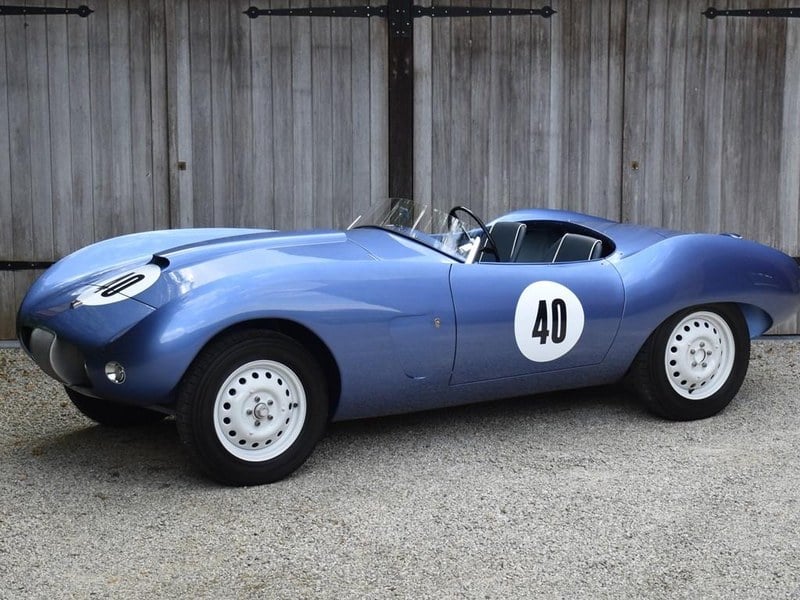
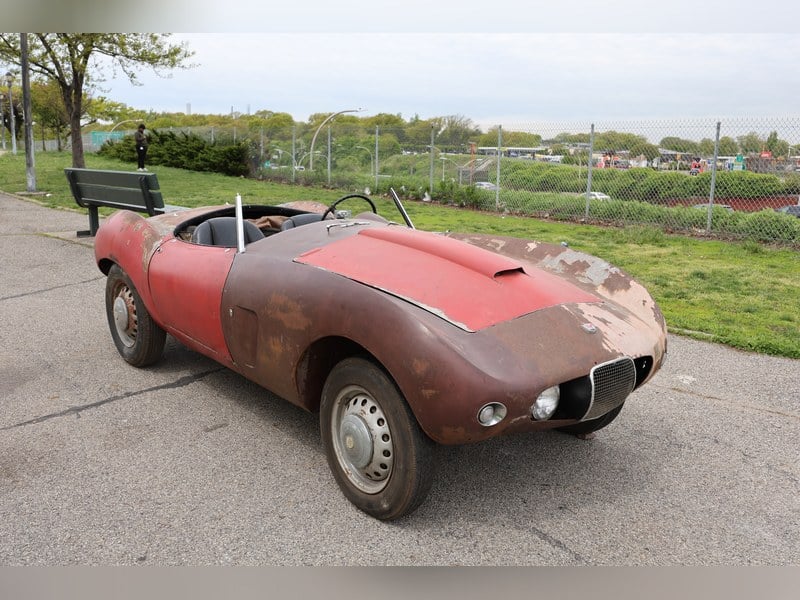
Detta exemplar med chassinumret 3132 användes som demonstrationsbil i fabriken. Vissa hävdar att det kan vara bilen med nr 40 vid Sebring 12-timmars 1958, men det är inte bekräftat. Det är dock säkert att denna Arnolt Bristol stod i Chicagos största showroom, bredvid lagret där ovan nämnda brand den 12 december 1956 förstörde 12 bilar. Tur nog var nr 3132, som stod i det angränsande showroomet, skadad men inte oersättlig. Efter branden hämtades karossen och återstående delar i showrummet (förutom motorn, som togs bort – troligen för att monteras i en annan Arnolt som ersättning under garanti). Bilen såldes som projekt till David Dubrul, som tänkte reparera den men gjorde det aldrig. Arnolt överlämnades sedan till Tom Trotman, Ed Howell och Daniel Rapley, innan den anlände till Belgien 2013, där den genomgick en fullständig restaurering. Denna restaurering tog några år och bilen är nu i perfekt tävlingsskick, redo att delta i vilket prestigefyllt evenemang som helst.
Färgen på Arnolt Bristol är en fantastisk mellanklimmig blå metallic, inspirerad av Franco Scagliones favoritton, som också användes på den berömda Alfa Romeo BAT7. Denna metalliska färg framhäver bilens silhuett på ett sagolikt sätt och den blå interiören passar den perfekt. Tekniskt har bilen också genomgått en fullständig översyn: motor, växellåda, suspension, styrning och bromsar är i nyskick. Att köra denna skönhet är verkligen ett nöje. Utsikten över den skulpterade huven är oöverträffad. Den sportiga interiören är rymlig och den vackra sexcylindriga lådan från Bristol ger ljud som påminner om en jaktflygplans motor från andra världskriget. Detta måste vara en av 1950-talets mest spektakulära sportbilar, och dess futuristiska estetik lever fortfarande kvar idag.
Förutom sin sensuella design, exklusivitet och sin suveräna mekanik erbjuder denna Arnolt Bristol en annan fördel: den är berättigad till Mille Miglia (och nästan säkert accepterad) och välkomnas på alla internationellt välkända tävlingar som Villa d'Este, Amelia Island eller Pebble Beach. Detta exemplar är också väl dokumenterat och fullständigt restaurerat med omsorg, ned till minsta detalj. Detta är förmodligen en av de mest korrekta Arnolt Bristol i världen.
Om du söker en förstklassig sportbil från 50-talet är denna tidlösa skönhet exakt vad du behöver till din samling.