
Triumph vehicles
Your comprehensive research hub for models, generations, specifications, and live marketplace activity.
What Triumph stands for
Michelotti’s pen. Turin-based Giovanni Michelotti styled most 1960s Triumphs, giving modest British cars Italian style and sophistication.
The TR line. From the TR2 of 1953 to the TR8, Triumph’s TR sports cars were the brand’s core, selling in large numbers both domestically and abroad.
One chassis, many bodies. Triumph used the same mechanical parts across many models. The Herald chassis alone underpinned saloons, estates, convertibles, vans and sports cars.
Overview
Triumph has the most varied range in the British classic world, built from a small number of shared components before being draped in Italian finery. Its strengths were sports cars, compact saloons and open-top tourers that gave the feel of more expensive cars for ordinary money. Because so much was shared between models, owners enjoy unusual levels of freedom to upgrade, swap and restore. For UK buyers, that means excellent parts supply, strong clubs and a ladder of models ascending from first classics to six-cylinder sports cars.
History
Siegfried Bettmann, a German émigré from Nuremberg, started importing bicycles in London in 1885. His company adopted the Triumph name the following year and moved to Coventry in 1888. Triumph motorcycles followed in 1902, and the first Triumph car, the 10/20, appeared in 1923. In the 1930s, the Gloria and the Alfa-inspired Dolomite Straight Eight moved the company upmarket. Triumph sold its motorcycle business in 1936 and went into receivership in 1939, while its Coventry works were destroyed in the 1940 Blitz.
The Standard Motor Company bought the remnants of Triumph in 1944 to use the name on its sporting cars. The 1800 Roadster was the first post-war Triumph, and would later become a TV star courtesy of Bergerac. The TR2 of 1953 turned Triumph into a serious sports car maker before Michelotti styled a run of hits including the Herald, Spitfire, Vitesse, GT6, 2000 and TR4 during the 1960s.
Leyland Motors bought Standard-Triumph in 1961 and dropped the Standard name by 1963. The company became part of the disastrous British Leyland corporation in 1968, which meant the Stag, Dolomite and TR7 were launched against a background of industrial disputes and quality problems. TR7 production moved from Speke in Liverpool to Canley and finally Solihull, before ending in 1981. The Honda-based Acclaim, built at Cowley, was the last Triumph car when it went off-sale in 1984. BMW acquired the Triumph car name when it bought Rover Group in 1994 and retained it when it sold Rover in 2000, but unlike MG, the brand hasn’t been resurrected.
Popular Triumph models
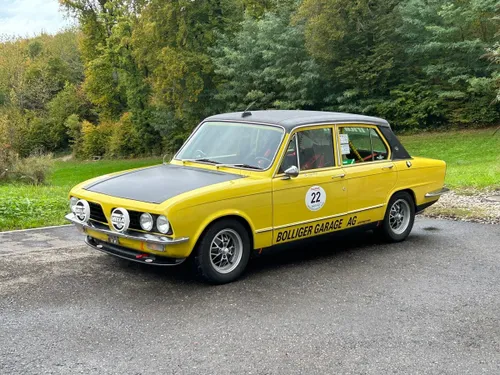
Triumph Dolomite: Models, Specs, and Buyer's Guide
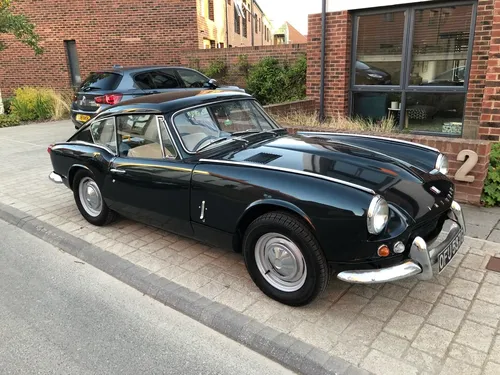
Triumph GT6: Models, Specs, and Buyer's Guide
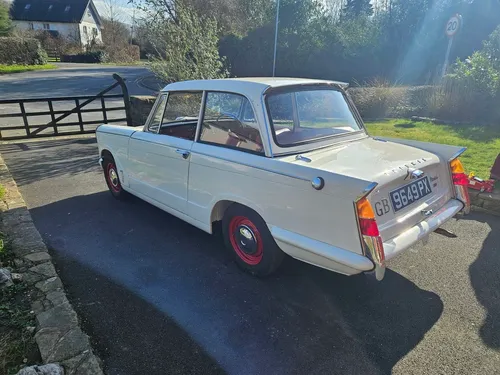
Triumph Herald: Models, Specs, and Buyer's Guide
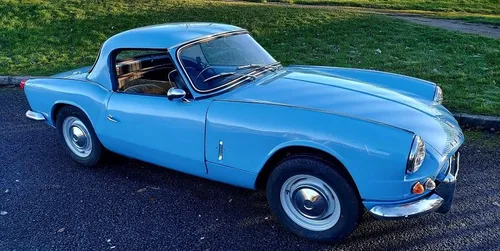
Triumph Spitfire: Models, Specs, and Buyer's Guide
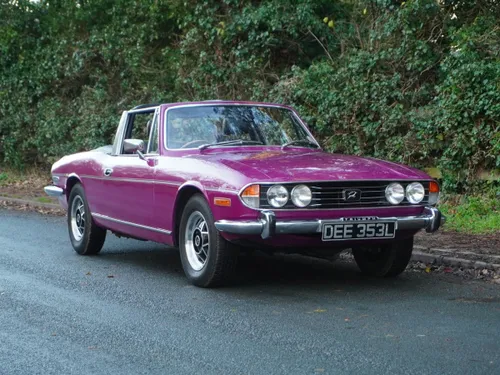
Triumph Stag: Models, Specs, and Buyer's Guide
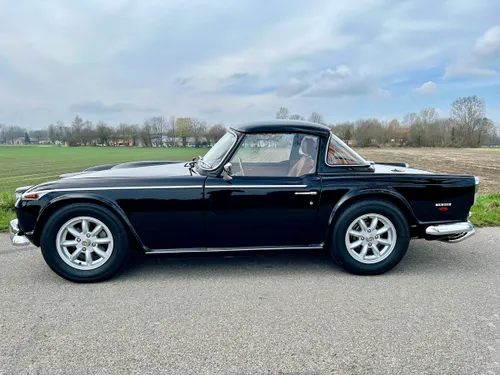
Triumph TR250: Models, Specs, and Buyer's Guide
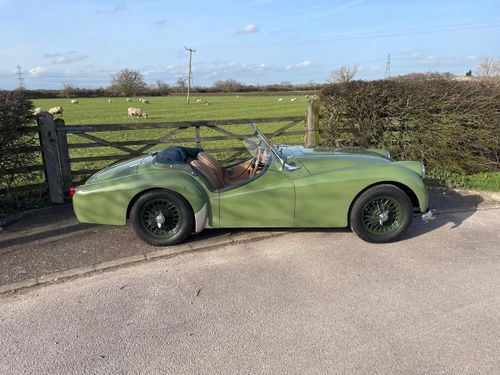
Triumph TR3: Models, Specs, and Buyer's Guide
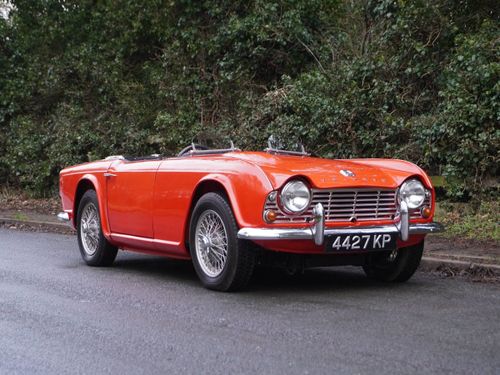
Triumph TR4: Models, Specs, and Buyer's Guide
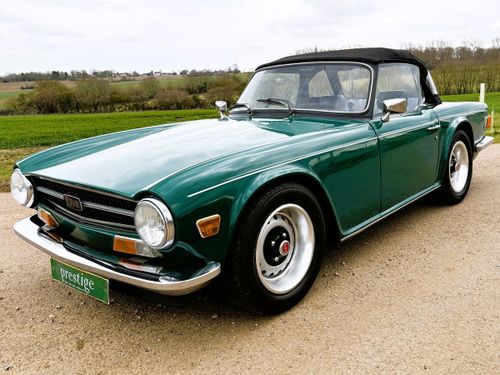
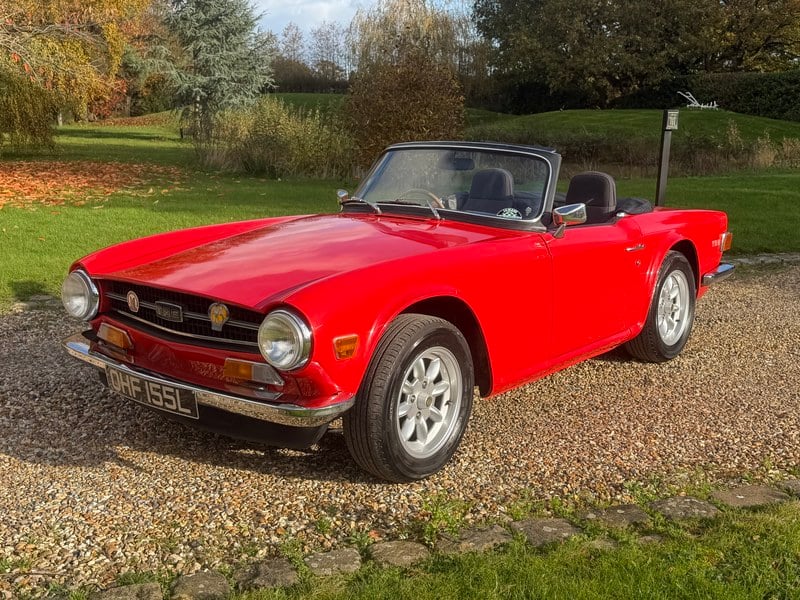
Triumph TR6: Models, Specs, and Buyer's Guide
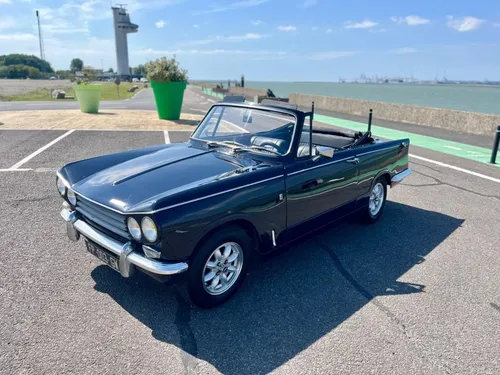
Triumph Vitesse: Models, Specs, and Buyer's Guide
Family Tree
Ownership: independent (pre-1939), Standard Motor Company (1944, as Standard-Triumph), Leyland Motors (1961), British Leyland (1968), BL/Austin Rover (to 1984), then BMW, which still owns the car trademark.
Name changes: Triumph Cycle Company became Triumph Motor Company. This in turn evolved into Standard-Triumph before becoming part of British Leyland.
Standard: Triumph’s sister marque until 1963. The Standard Vanguard engine went into early TRs and the Ferguson TE20 tractor, and Standard built Ferguson tractors.
British Leyland sister brands: Rover, Jaguar, MG, Austin and Morris.
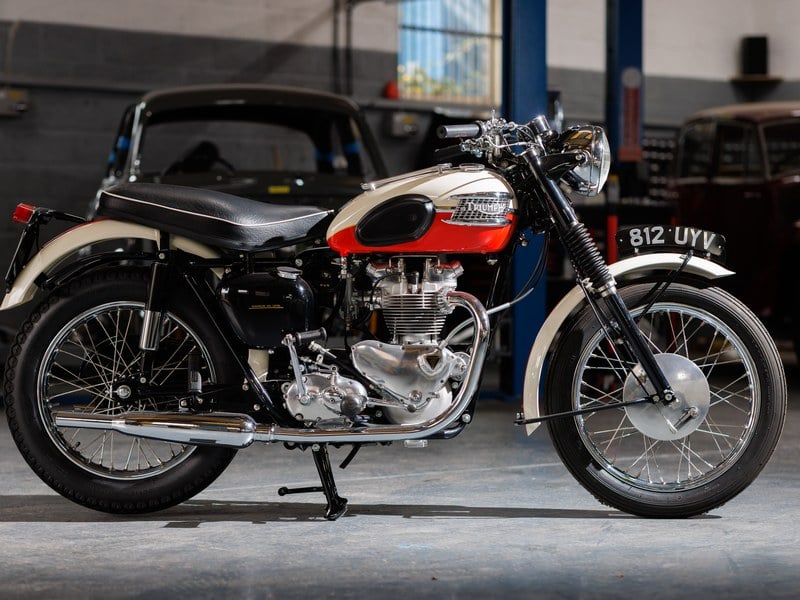
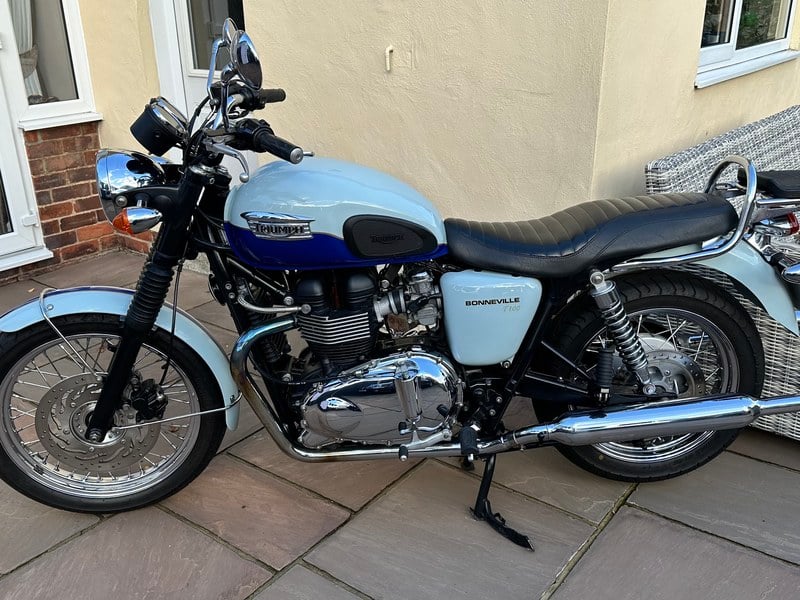
Triumph Motorcycles: sold off in 1936 and now a separate company, unconnected to the car business.
Engines and parts used elsewhere:
Morgan’s Plus 4 used Vanguard and TR engines.
Bond’s Equipe was based on the Herald and Spitfire.
Swallow’s Doretti and Peerless’s GT used TR mechanicals.
Herald chassis were used under many British kit cars.
Triumph’s slant-four engine was built for the early Saab 99, and a pair of slant-fours formed the basis of the Stag’s V8.
Rebadges and overseas builds:
The Acclaim was a licence-built Honda Ballade.
The TR8 used the Rover V8.
Standard Motor Products of India built the Herald as the Standard Herald and Gazel.
Key Models
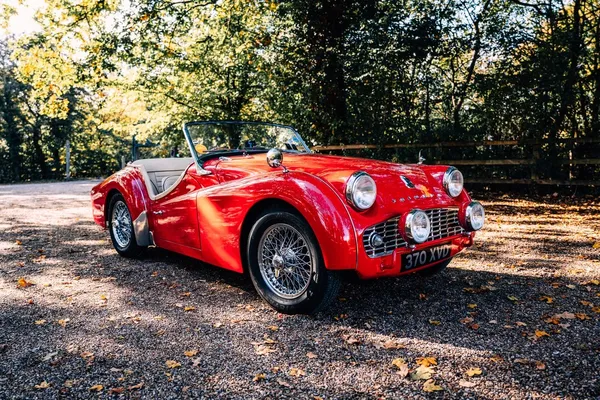
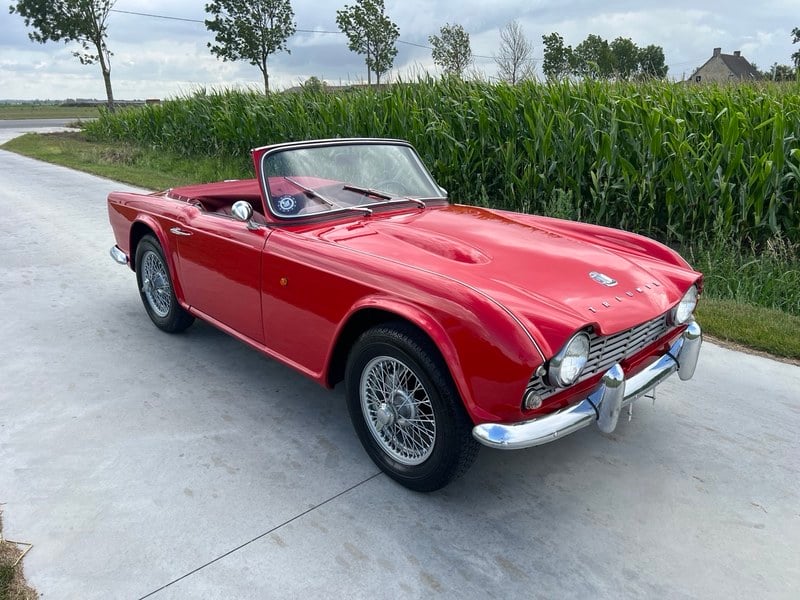
Triumph TR2 / TR3 (1953–1962): cut-down doors, a separate chassis and more than 100mph from a Vanguard-based four.
Triumph Herald (1959–1971): a separate-chassis small car with a tight turning circle and a bolt-on body that made convertibles, estates and vans easy to manufacture.
Triumph Spitfire (1962–1980): Herald mechanicals under a low Michelotti body made this the longest-running Triumph sports car.
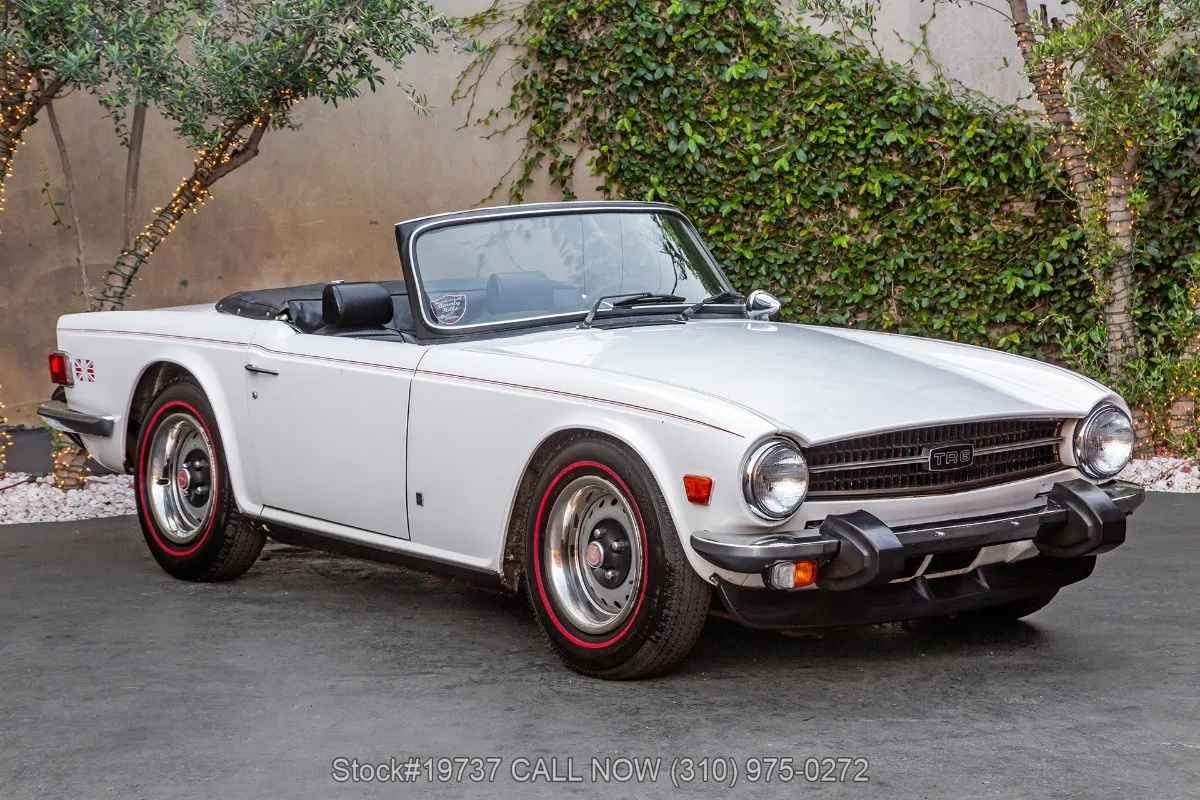
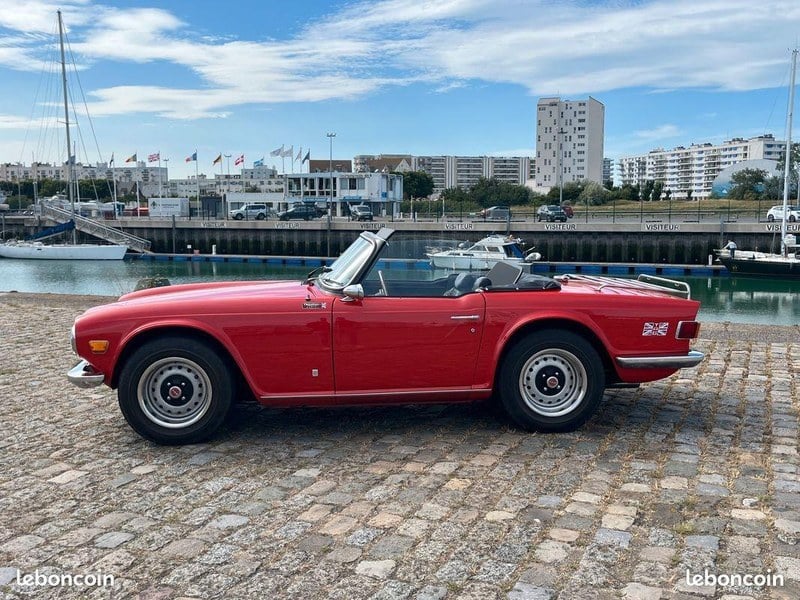
Triumph TR6 (1968–1976): Karmann’s squared-off restyle of the TR5. The fuel-injected six-cylinder UK cars are the most collectable TRs.
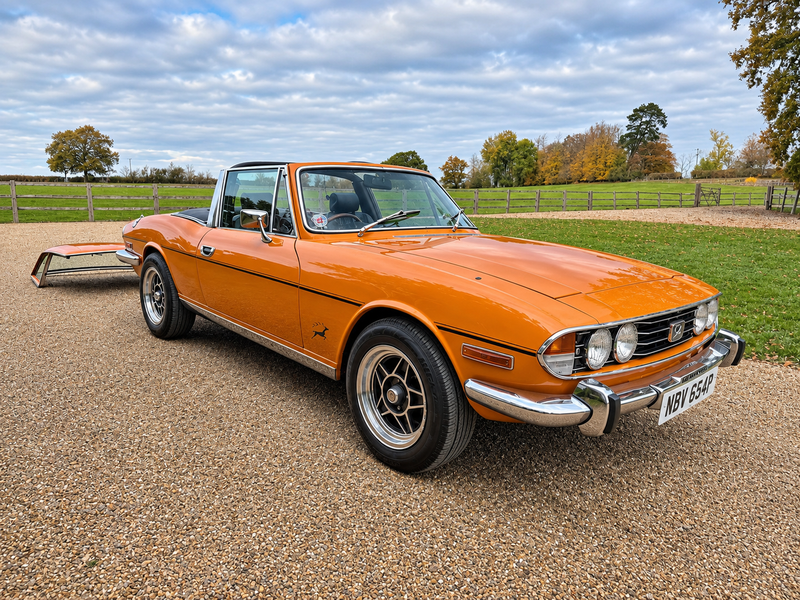
Triumph Stag (1970–1977): a four-seat V8 tourer with a T-bar roll hoop. Better-cooled engines and improved parts supply have revived its reputation.
Safety & Brand Philosophy
Triumph made the most of its limited budget by sharing parts across many models and giving them all distinctive bodies. Engineering firsts emanated from that same mix of practicality and ambition:
Front disc brakes (1956): the TR3 was one of the first British production cars to have this welcome safety feature as standard.
Fuel injection (1967): the TR5 PI was among the first British production cars with petrol injection.
16-valve engine (1973): the Dolomite Sprint was one of the first mass-produced cars to receive four valves per cylinder.
Separate chassis and bolt-on bodies: used on the Herald, Vitesse, Spitfire and GT6, they made these cars easy to build and easy to repair.
Safety was never part of Triumph’s identity. Its contribution came mostly through braking upgrades on the TRs, and the marque ceased production long before modern safety aids percolated through to the market.
Triumph Price Guide
The six-cylinder TRs lead the Triumph market, with UK-specification fuel-injected TR5s and TR6s valued well above exported carburettor cars which have been brought back from America. Stags with their original V8 and documented chassis work are also highly sought after, as are early sidescreen TRs. Heralds, Spitfires, Dolomites and Toledos are among the cheapest routes into British classic ownership. Chassis rot and bodges hidden under new paintwork are the main threat to good cars, which will have had any factory errors ironed out by now.
| Modello e generazione | Prezzo medio (GBP) |
|---|---|
| 1500 | 9.269 £ |
| Dolomite | 9.269 £ |
| GT6 | 16.010 £ |
| Herald | 4.330 £ |
| Spitfire | 8.865 £ |
| Stag | 15.934 £ |
| TR2 | 22.010 £ |
| TR250 | 32.303 £ |
| TR3 | 24.162 £ |
| TR4 | 22.772 £ |
| TR5 | 35.087 £ |
| TR6 | 18.561 £ |
| TR7 | 8.355 £ |
| Vitesse | 10.817 £ |
Prices are estimates based on current collector market trends for classic Triumph models. Actual sale prices may vary depending on condition, provenance and rarity.







Frequently asked questions
Are Triumph cars and Triumph motorcycles the same company?
They shared a name and origin, but the motorcycle business was sold off in 1936. Today’s Triumph Motorcycles of Hinckley has no link to the car company.
Who owns the Triumph name for cars now?
BMW acquired the name when it bought Rover Group in 1994 and kept it when it sold Rover in 2000. No new Triumph cars have been built since the Acclaim (1981–1984), a reskinned version of the Honda Ballade built at Cowley.
What car did Bergerac drive?
Jim Bergerac drove a 1947 Triumph 1800 Roadster in the titular BBC series (1981–1991), which helped to give the model a new sense of desirability and recognition.
Why does the Triumph Stag have a reputation for overheating?
The 3.0-litre V8 was sensitive to coolant levels, poor maintenance and timing-chain wear. Better cooling, modern parts and regular servicing have largely solved these problems, though some owners have fitted a Rover V8 to resolve the issues entirely.
Is a Triumph Herald a good first classic car?
A simple separate chassis, bolt-on body panels and excellent parts supply make the Herald one of the easiest British classics to own and maintain.