Beschreibung
Die Lancia Beta Montecarlo taucht Mitte der 1970er Jahre als ein ganz besonderes Modell in der Lancia-Palette auf. Obwohl sie den Namen "Beta" trägt, hat sie nur wenig gemeinsam mit den anderen Modellen der Familie. Während Limousinen, Coupés oder HPE Beta Frontantrieb haben, setzt die Montecarlo auf eine deutlich sportlichere Architektur: ein Mittelmotor hinter der Fahrgastzelle und ein Antrieb über die Hinterräder. Der Entwurf entsteht Anfang der 1970er Jahre bei Pininfarina unter dem Codenamen Fiat X1/ 8, zunächst vorgesehen, um die Fiat 124 Coupé zu ersetzen. Nach der Ölkrise 1973 wird die Idee eines V6 aufgegeben und das Projekt entwickelt sich zum X1/ 20, ausgestattet mit einem zwe liter großen DOHC-Vierzylindermotor, der aus dem bekannten Lampredi-Motor abgeleitet ist. Schließlich entscheidet Fiat, den Vertrieb des Modells an Lancia zu vergeben, um einen sportlichen Wagen zu bieten, der exklusiver ist als der Fiat X1/ 9.
Auf der Genfer Motorshow 1975 vorgestellt, verführt die Lancia Beta Montecarlo sofort mit ihrer schlanken, sehr reinen Linienführung, entworfen von Paolo Martin bei Pininfarina. Kompakt und flach greift sie die Codes der zentralmotorigen Coupés der Zeit auf, mit zwei Sitzen, kurzem Radstand und unabhängigen McPherson-Federungen. Unter der Heckhaube sitzt der 1995 cm³ große DOHC-Vierzylindermotor von Lampredi, mit Weber-Vergaser, der ca. 120 PS leistet. In Verbindung mit einem Fünfgang-Handschaltgetriebe und einem Gewicht unter einer Tonne ermöglicht dieser Motor der Montecarlo eine Höchstgeschwindigkeit von fast 190 km/ h und bietet zugleich ein sehr ausgewogenes Fahrverhalten, das von der Fachpresse oft gelobt wird.
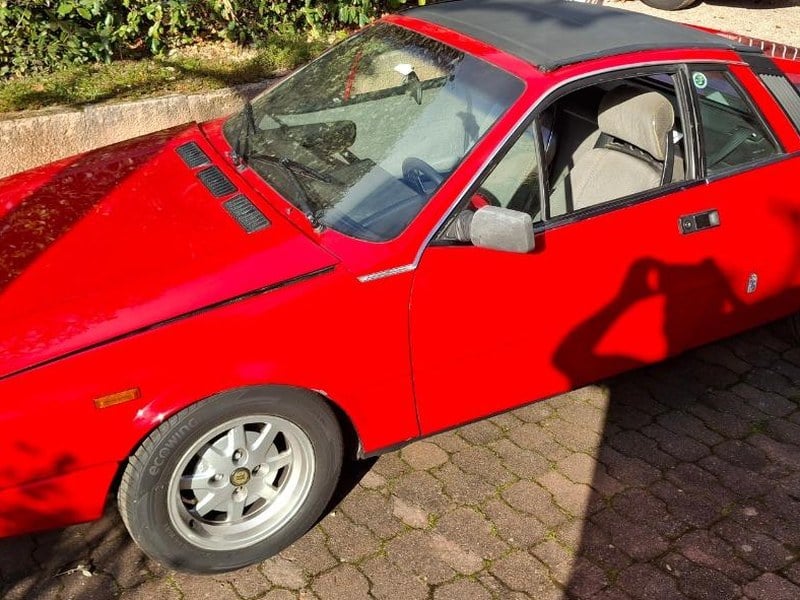
Die erste Serie wird von 1975 bis 1978 produziert, in den Versionen Coupé und Spider mit Targa-Dach. Nach einer Unterbrechung zur Behebung eines Bremsproblems kehrt das Auto 1980 mit der zweiten Serie zurück, fortan einfach Lancia Montecarlo genannt. Diese Entwicklung zeichnet sich durch einige stilistische Retuschen, andere Radkappen, eine Verbesserung des Bremssystems und einen leicht modernisierten Motor mit elektronischer Zündung aus. Die Gesamtproduktion bleibt begrenzt, mit weniger als 8. 000 Exemplaren, die von Pininfarina in Grugliasco assembliert wurden, was heute zur Seltenheit des Modells beiträgt.
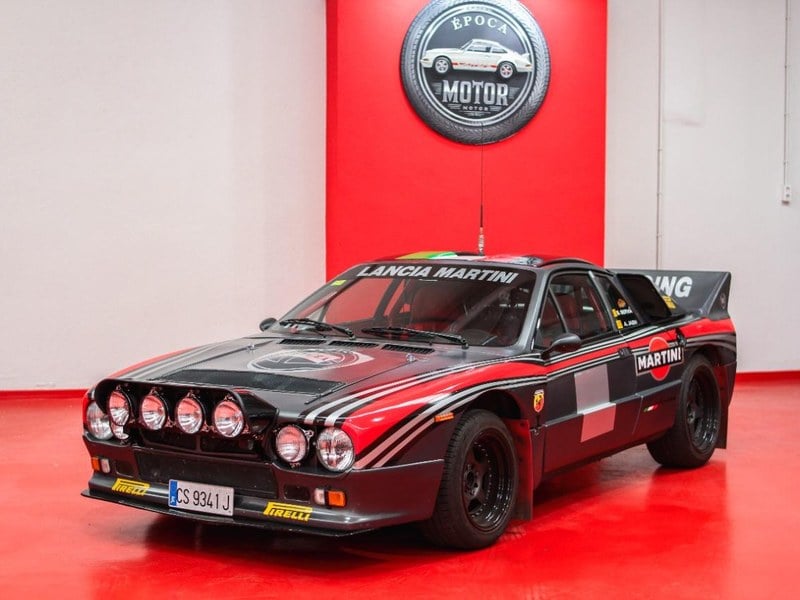
Die Montecarlo spielt auch im Wettkampf eine wichtige Rolle. Ihr Mittelmotor-Konzept dient als Basis für die Lancia Beta Montecarlo Turbo, die 1980 und 1981 die Sportwagen-Weltmeisterschaft in der 2-Liter-Kategorie gewinnt, und wird direkt die Entwicklung des berühmten Lancia Rally 037 inspirieren, der zukünftige Rallye-Weltmeisterin wird.
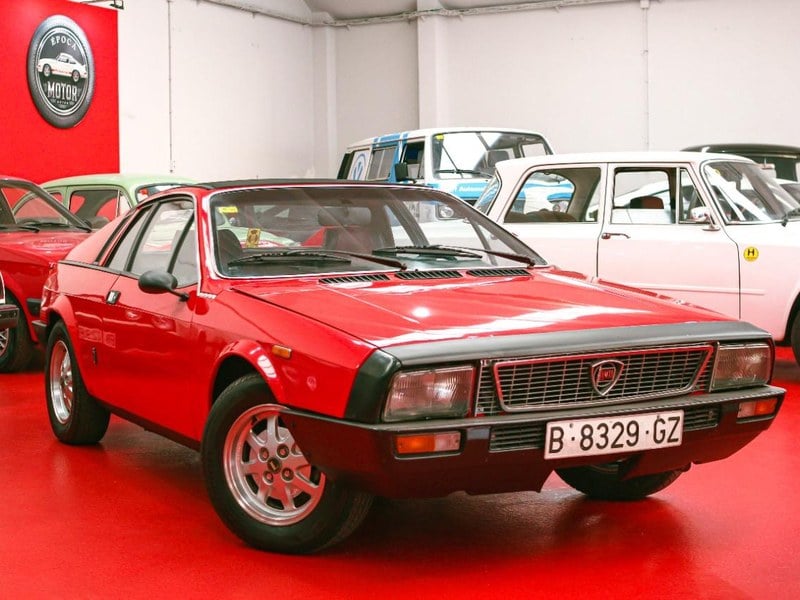
Der hier gezeigte Exemplar ist eine 2-Liter-Version aus dem Jahr 1982, entsprechend den letzten produzierten Montecarlo-Modellen. Sie ist ausgestattet mit dem 1995 cm³ großen DOHC-Vierzylindermotor mit ca. 120 PS, montiert in der mittleren Hinterposition und verbunden mit einem Fünfgang-Schaltgetriebe, eine Architektur, die diesem kleinen italienischen Coupé eine dynamische Balance und einen sportlichen Charakter verleiht, der sehr typisch für die europäischen Coupés der frühen 1980er Jahre ist.
Französische Zulassung.