Description
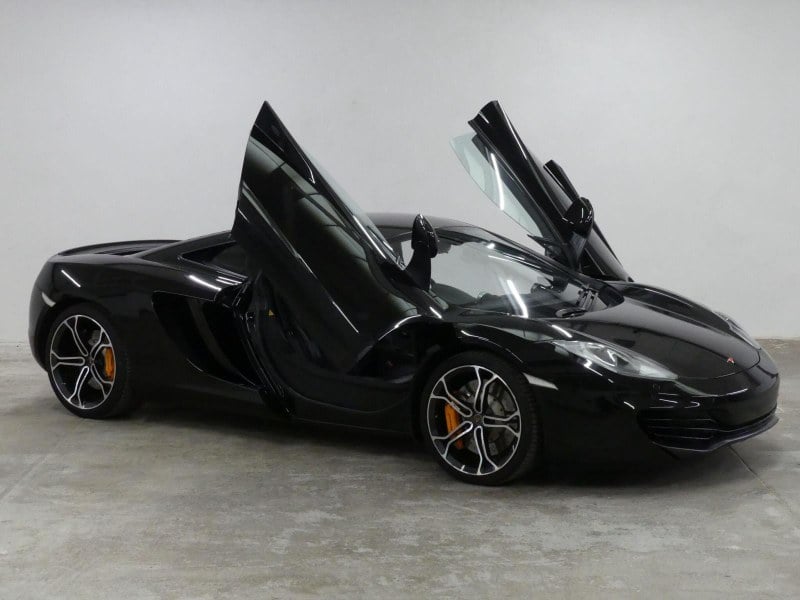
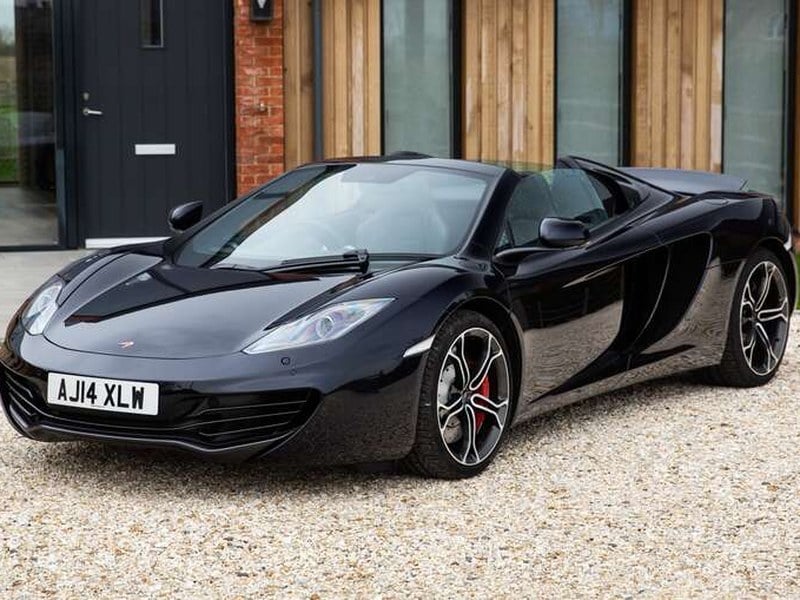
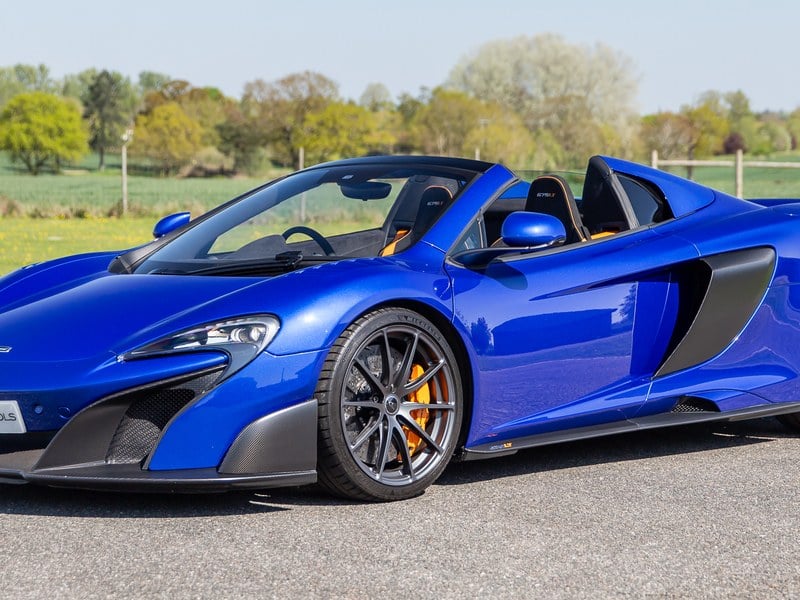
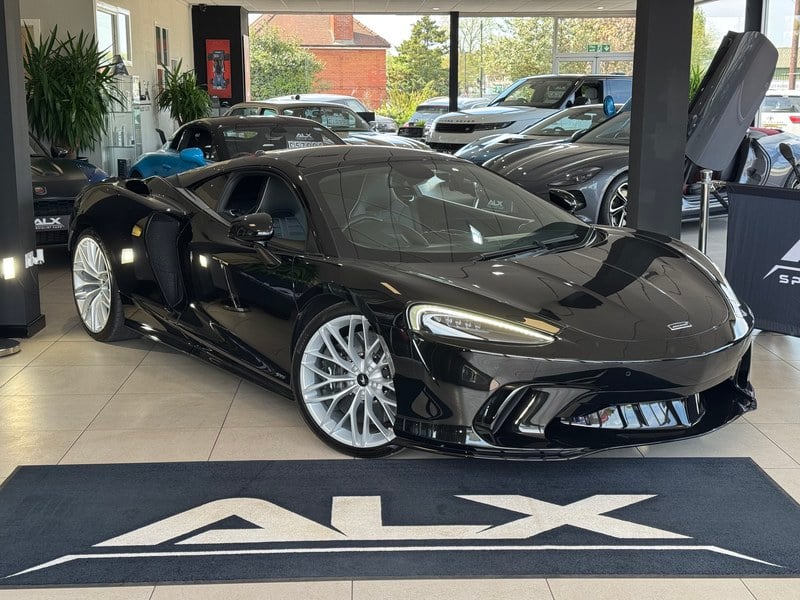
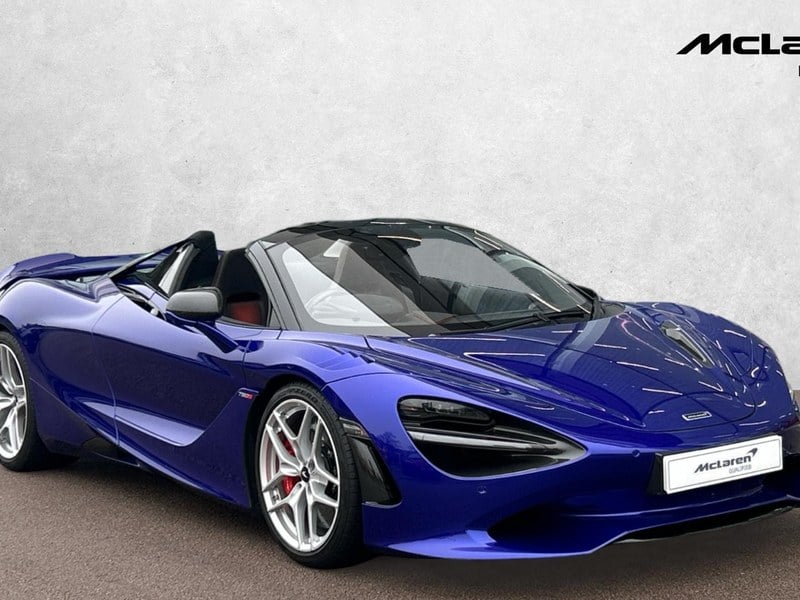
This lot will be auctioned via Iconic Auctioneers, The Iconic Sale at Supercar Fest 2026 on Saturday the 16th of May, Sywell Aerodrome, Sywell, Northampton, NN6 0BN. When McLaren Automotive announced the launch of the MP4-12C in 2011 (later simplified to 12C), it marked a significant chapter in the world of supercars. This model was McLaren’s first production car since the legendary F1 and was set to re-establish the brand in the road car market. The 12C was not just a car, it was a statement of McLaren's engineering prowess and its ambition to dominate the high-performance sports car sector. The genesis of the 12C can be traced back to McLaren’s decision to expand its automotive division beyond Formula 1. The goal was to compete directly with established marques like Ferrari and Lamborghini; the 12C was designed to be the most technologically advanced supercar on the market, embodying the very essence of what McLaren stood for: innovation, efficiency, and performance. Publicly unveiled in September 2009, the mid-engined MP4-12C commenced manufacture at McLaren's new state of the art factory at Woking in mid-2011, just after production of the Mercedes-Benz SLR McLaren model had ceased. Its stylist was Frank Stephenson, who had been recruited from Alfa Romeo Centro Stile following spells with Ferrari and FIAT. Like its F1 and SLR predecessors, the MP4-12C used a carbon fibre MonoCell body tub, albeit one that now took considerably less time to produce thanks to advances in composite manufacturing technology. This time the occupants two seats were arranged conventionally side by side, unlike the F1's unusual three-abreast layout, which placed the driver in the centre, though the use of dihedral doors maintained a familial link with the F1. The 3. 8-litre twin turbo V8 engine produces c. 600bhp (increased to 616bhp in subsequent versions) and was a collaborative effort between McLaren, Ilmor and Ricardo; based on a racing design, the redline of 8, 500rpm is a testament to that, but with 80% of its torque available from 2, 000rpm, it was perfect for a road-car application. The unit won ‘The International Engine of the Year Award 2013’. DragTimes. com posted a 0-60mph time of the 2. 8 seconds and 0-100mph in 6. 0 seconds, making the MP4-12C one of the top three fastest standard production cars of its time. The 12C also featured a slew of technological innovations, such as Brake Steer (a system that improves cornering speeds by applying brakes to the inside rear wheel), active aerodynamics that adapted to the car’s speed to optimize downforce and Proactive Chassis Control (a hydraulic suspension configuration system that adapts to driving conditions without compromising ride comfort). The handling was developed under the skilful watch of both Jenson Button and Lewis Hamilton. Indeed, the final shape of the steering wheel was at the bequest of Lewis himself. The 12C was available initially as Coupé and later (2012) as a Spider (convertible); as the Coupé was designed from the outset with a convertible version in mind, no additional strengthening was needed for the Spider, and it weighs only 40kg more than the Coupé. McLaren worked to keep the Spider's top speed (204mph) close to the Coupé's (207mph), with up to 196mph being possible with the roof down. Meanwhile, the dihedral doors of the Coupé were retained. Both models underwent continuous improvements over their production lifecycle, including power upgrades and enhanced drivability features. Understanding the importance of motorsport for its brand identity, McLaren developed the 12C GT3, a race-prepared version of the 12C. The 12C GT3 was immensely successful in various GT championships worldwide, securing numerous victories and proving the capabilities of the 12C under the most demanding conditions. The production of the 12C ended in 2014, making way for its successor, the 650S; the 12C’s impact, however, extends beyond its production years as it set a new standard for what customers could expect from a supercar in terms of technology, performance, and versatility. The 12C redefined the parameters of supercar engineering and performance and its influence can be seen in all subsequent McLaren models, each inheriting and evolving from its combination of lightweight construction, innovative technology, and extraordinary performance capabilities. As McLaren continues to push the boundaries of automotive engineering, the 12C stands as a monument to where this era of innovation began; a future modern-classic to collect, very possibly? The car presented here is a 2014 McLaren MP4-12C Spider, and would be a prime candidate for a collector-quality example; finished in the Special exterior colour of Sapphire Black (with Sport Alcantara and leather interior trim in Carbon Black) this is one of the very last examples of such off the production line, and one of only 15 Spiders in the UK, as we understand it...