Description
The first half of the 1970s were a turning point for Porsche. Taking the motorsport scene by storm, they introduced the 914/ 6, 911 S, the 2. 7 RS and 2. 8 RSR; the replacement 3. 0 RS and subsequent RSR and then in 1975, the Type 930 or 911 Turbo as it would be known best. For road cars, however, the scene was different. In the wake of the OPEC oil embargo, manufacturers were battling to meet emissions and ever-stricter safety regulations. The magic of cars had somewhat disappeared. A couple of other manufacturers had introduced some exciting cars in limited quantities; that was all about to change.
Whilst Porsche had experimented with turbocharging race cars in the late 1960s, the rules had become stricter and with those, the entry requirements were tougher. Having competed with the turbocharged 2. 1 RSR under Appendix ‘J’ in 1974, the FIA had announced that at least 400 production vehicles would need to be sold within in a 24 month period for the car to be eligible in Group 4 and Group 5 in 1976. Porsche previewed their turbocharged future at Frankfurt in 1973 with the 911 Turbo Concept; a 911 S with a fully functional body kit from the yet-launched 3. 0RS, standing apart with turbo script and stripes over both sides.
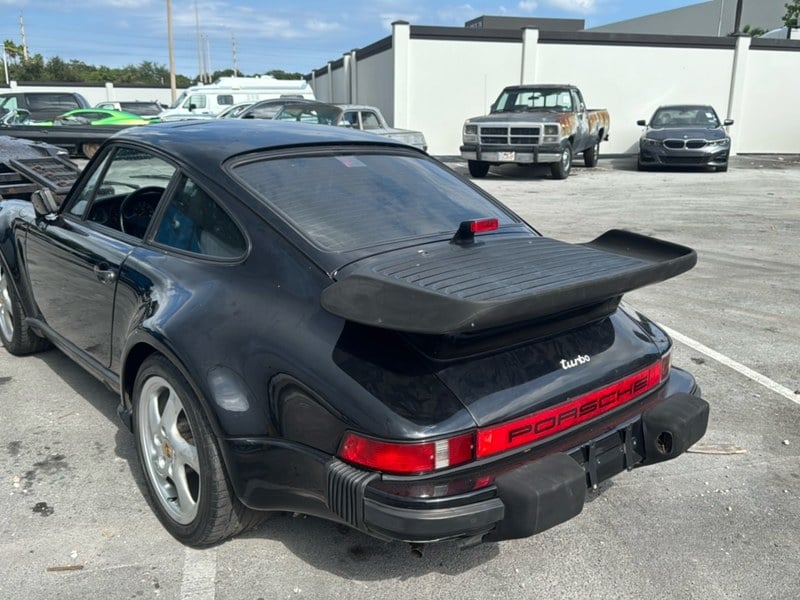
Primarily developed for homologation purposes, the 930 earned the venerable 3. 0 flat-six of the 3. 0 RS, inheriting some learnings from the cars’ (much) bigger brother – the 917/ 30 CAN-** car. The car also earned its nickname from this technology, and the Type 930 was born.
The 930 was produced between 1975 and 1989, and remained the top of the range 911 for its entire production run. In 1978, the 930 received its most significant changes, notably the increase in capacity to 3. 3-litres and the addition of an air-to-air intercooler. Power increased by 40 hp, rising to 295 hp and a series of revisions were made the suspension componentry.