Beschreibung
Am Ende des Krieges hat MG, wie so viele andere britische Autohersteller, die alten Pläne einfach wieder hervorgeholt und begann, Autos zu bauen, die im Wesentlichen überholt waren. Die TC war eine TB mit vier Zoll breiterer Karosserie, Blattfedern statt Torsionsstäben und nur einer 12-Volt-Batterie, die an der Motortrennwand montiert war, statt zwei 6-Volt-Batterien hinter den Sitzen. Die Produktion der TC begann im September 1945 und setzte sich bis November 1949 fort.
Die TC war ein Auto aus der Vorkriegszeit, das nach dem Krieg gebaut wurde. Abingdon erwartete nicht viel davon, doch es war ein Verkäufermarkt nach dem Krieg und sie unterschätzten die Akzeptanz des Autos im Ausland.
Die Beliebtheit der MG TC ist überraschend, wenn man sie mit den meisten anderen Nachkriegsautos vergleicht, insbesondere mit amerikanischen Wagen, die über Heizungen, leistungsstarke Motoren und große Kapazität verfügen, komfortabel und relativ leise sind. Die TC macht keinerlei Kompromisse beim Komfort und besitzt einen kleinen, lauten Motor. Doch trotz ihrer bescheidenen Leistung ließ sie sich mit Hingabe auf Touren bringen, und dank eines Viergang-Getriebes und eines hochdrehenden Motors machte sie sehr viel Fahrspaß.
Die Besitzer der TC reichten vom einfachen Mann auf der Straße bis zu bekannten Schauspielern und aufstrebenden Rennfahrern. Weil sie leicht modifizierbar war, wurde sie zum Favoritenauto der Bruderschaft der „Boys Racers“.
Insgesamt wurden 10. 000 Exemplare produziert, mehr als die Gesamtproduktion von 8. 451 MG Midget zwischen 1928 und 1936, dem Zeitpunkt, an dem die Produktion des Typs P eingestellt wurde. Phil Hill, Formel-1-Meister 1961, fuhr in einer modifizierten TC zu Beginn seiner Karriere im Jahr 1951, während auf der anderen Seite der griechische Prinz Philipp, der zukünftige Herzog von Edinburgh, seine zukünftige Ehefrau in einer brandneuen schwarzen TC in den späten 1940er-Jahren umwarb.
Es steht außer Frage, dass die TC MG weltweit bekannt gemacht hat und dass sie in den USA zur Verkörperung des englischen Sportwagens geworden ist.
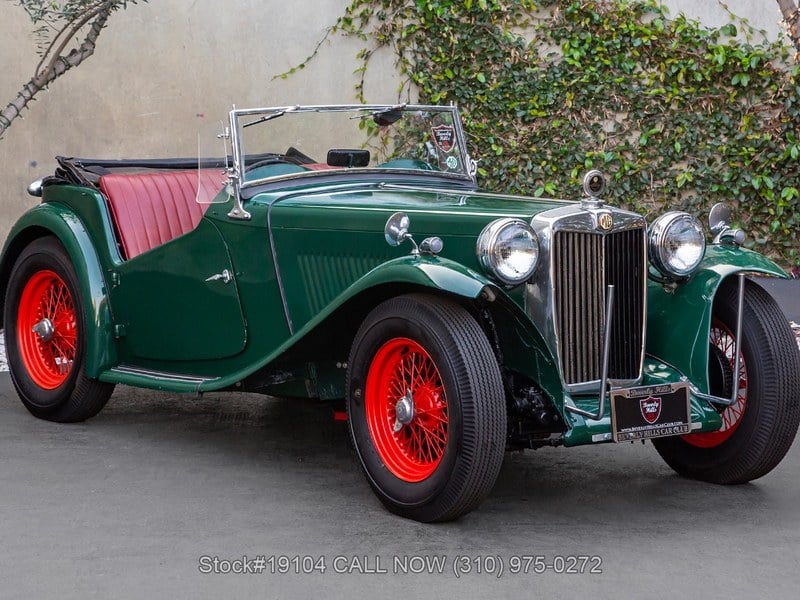
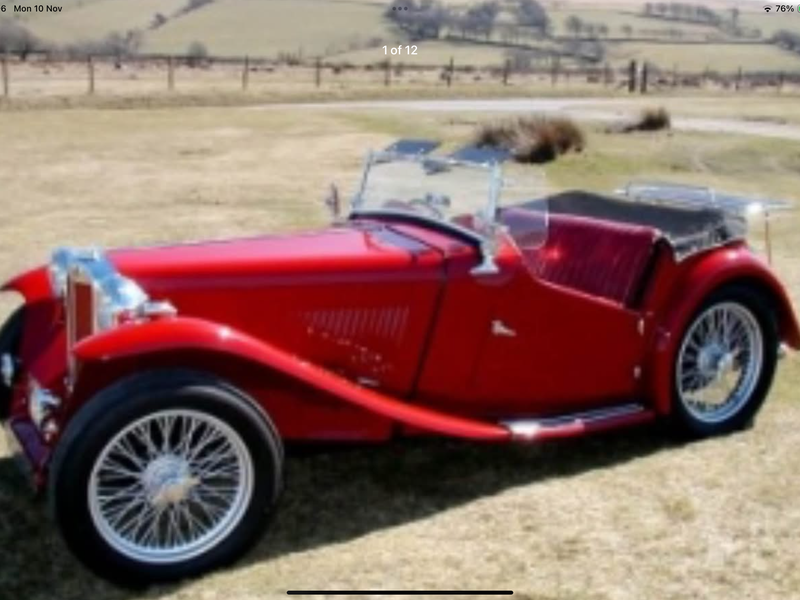
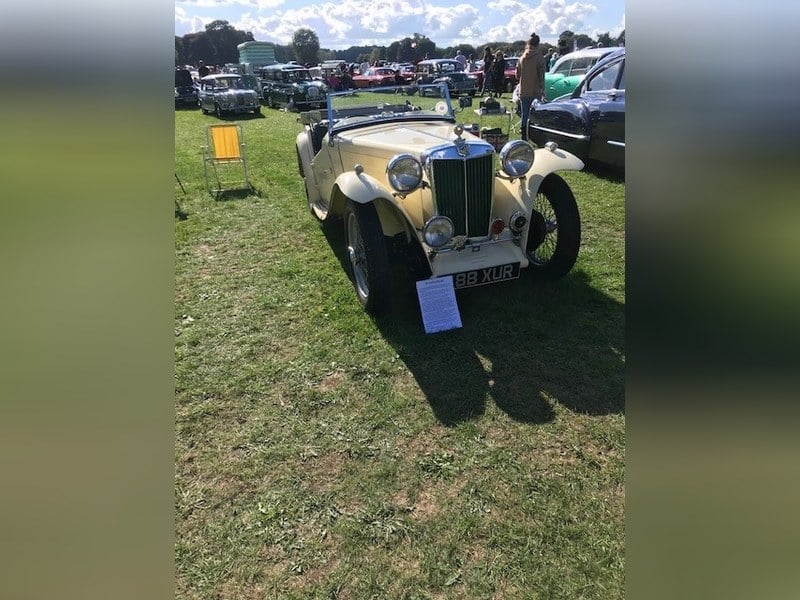
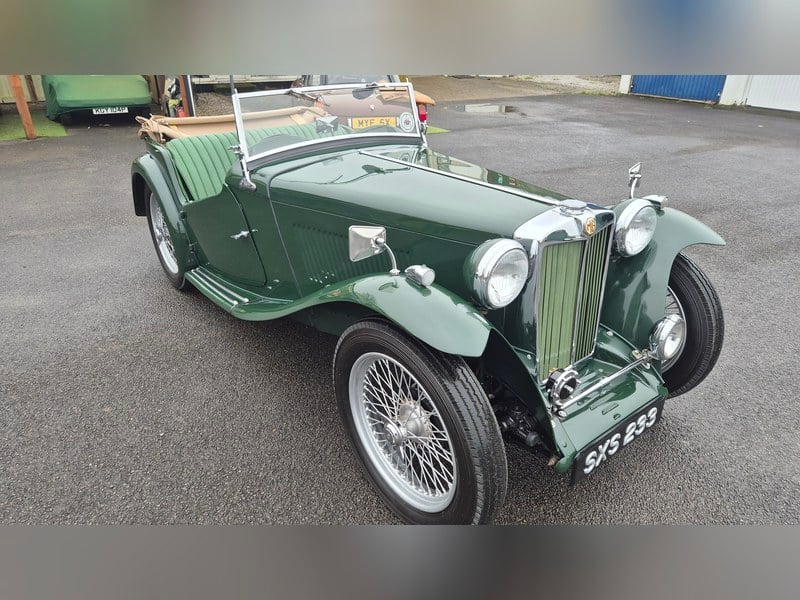
Dieses Exemplar wurde in den 2000er-Jahren vollständig restauriert und 2013 vom derzeitigen Besitzer erworben. Es befindet sich nach wie vor in einem sehr guten Zustand. Das Fahrzeug wurde seither sorgfältig gepflegt. Die Türen und die seitlichen Fenster sind vorhanden.