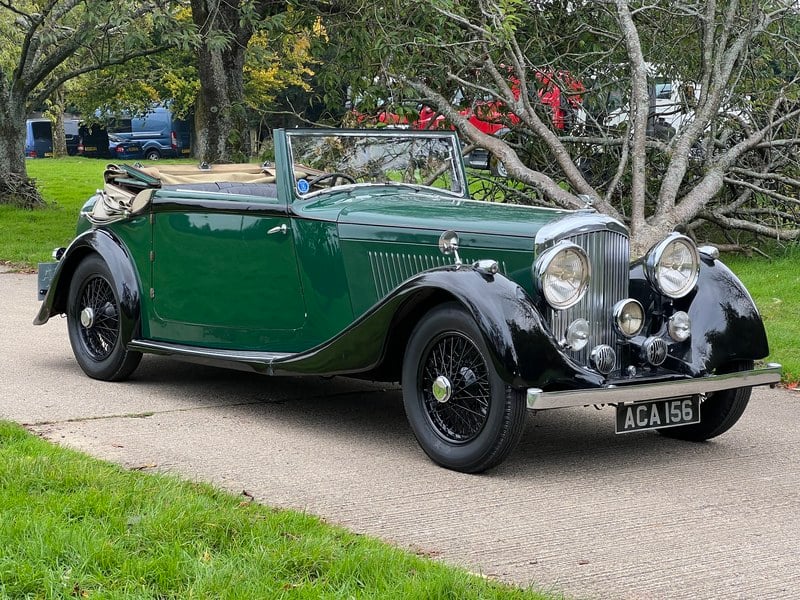
Description
Carte grise française
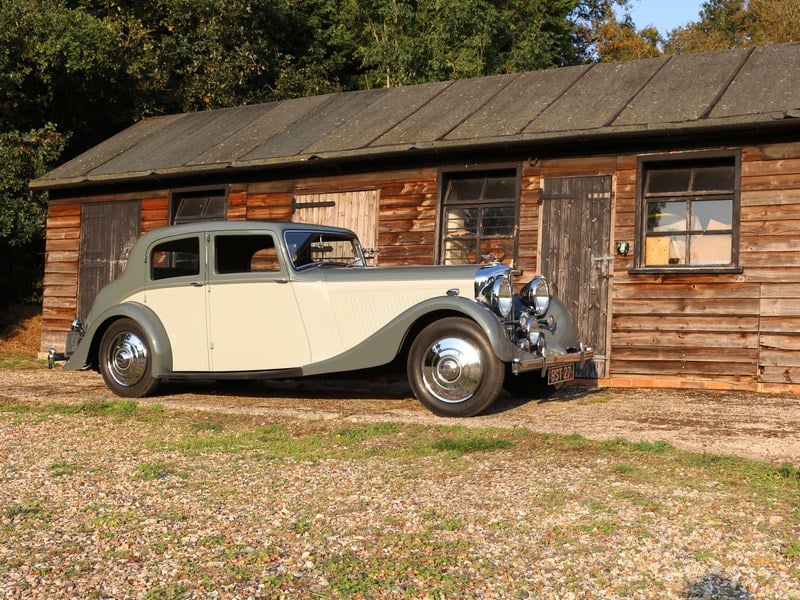
Berline Park Ward (B204LS)
Rare carrosserie Aluminium Pillarless
Restauration ancienne à reprendre
Dans les années 1920, Bentley étend sa notoriété et assoit sa réputation en remportant l’une des courses automobiles les plus en vues, et les plus exigeantes du moment : les fameuses 24 Heures du Mans. La firme britannique ne totalise pas moins de cinq victoires entre 1924 et 1930 (dont quatre consécutives entre 1927 et 1930). Malgré ces succès, Walter-Owen Bentley se trouve en grande difficulté financière, et se trouve contraint de céder l’entreprise qui porte son nom à son rival de toujours, Rolls-Royce. Si les nouvelles Bentley made in Derby (l’usine Rolls-Royce où leur production a été délocalisée) conservent un brin de sportivité, elles sont désormais conçues pour être élégantes et confortables. Ce sont en quelques sortes des Rolls-Royce bis. La « nouvelle » 3 ½ Litre sera ainsi produite jusqu’en 1936, avant d’être remplacée par la fameuses 4 ¼ Litre, selon les préceptes de W.-O. Bentley himself qui disait : « There’s no replacement for displacement », en français : rien ne vaut la cylindrée. Au milieu des années 1930, le développement du réseau routier sur le vieux continent permet aux fortunés européens de se déplacer rapidement entre leurs différentes propriétés. C’est pour satisfaire cette clientèle exigeante que Bentley présente la 4 ¼ litre, capable de rouler à plus de 150 km/ h en plein confort, voir près de 200 km/ h en version Continental (taux de compression et alimentation revus). Après avoir acheté un châssis, le client faisait carrosser la voiture au sein de l’atelier de son choix parmi la myriade de spécialistes sur le marché. La Bentley Derby 4 ¼ Litre sera produite à 1 234 exemplaires entre 1936 et 1939, remplacée en 1940 par la Mk V. Comme la plupart des 4 ¼ Litre, notre Bentley fut carrossée par Park Ward. Elle dispose d’une très élégante carrosserie berline sans montants (pillarless en anglais) avec portes antagonistes