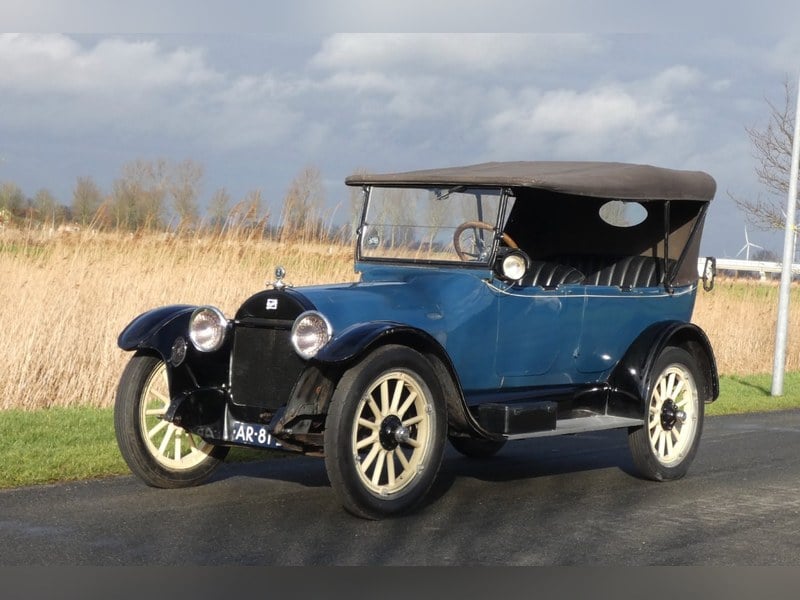
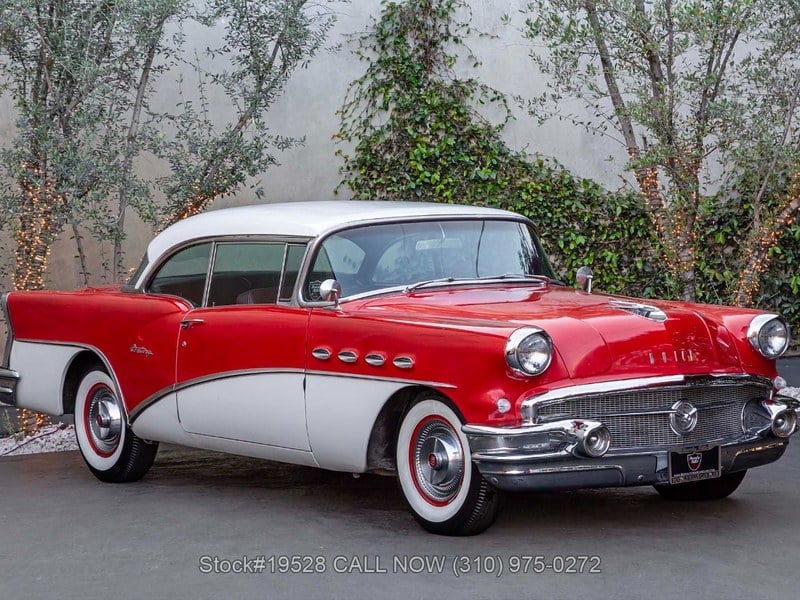
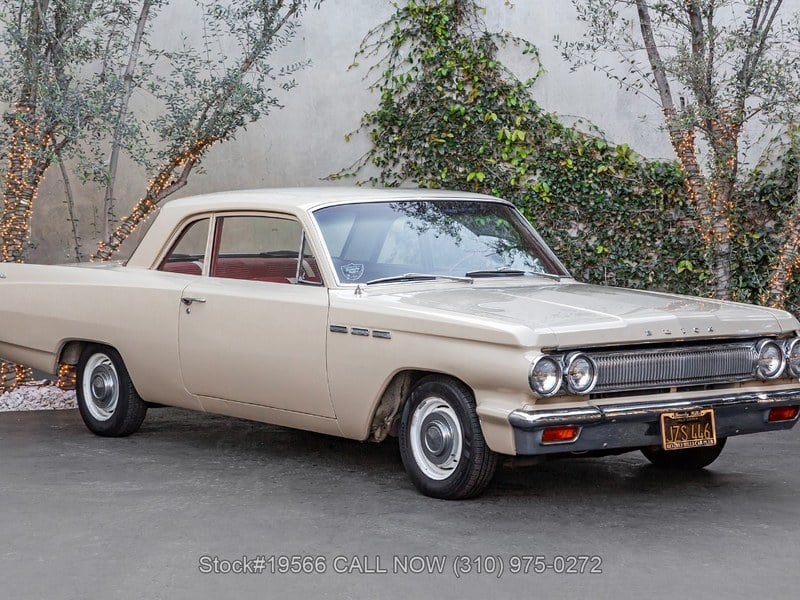
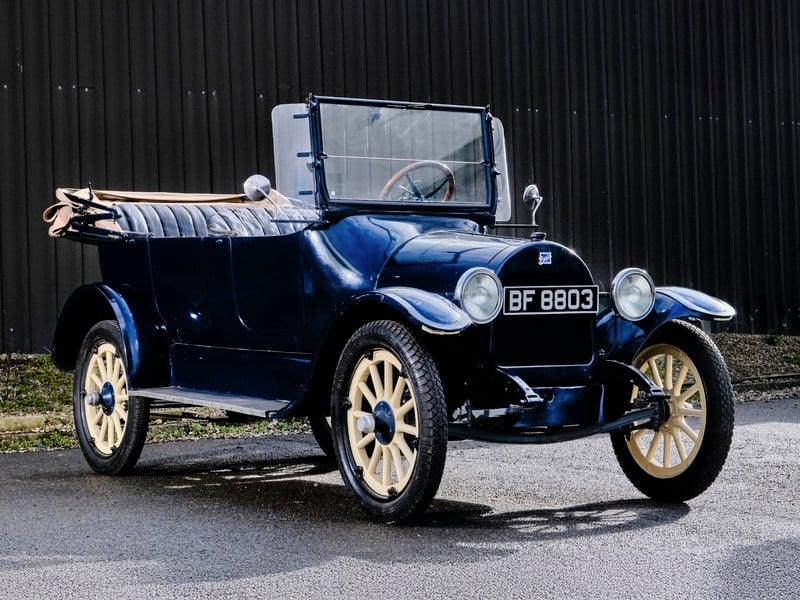
Description
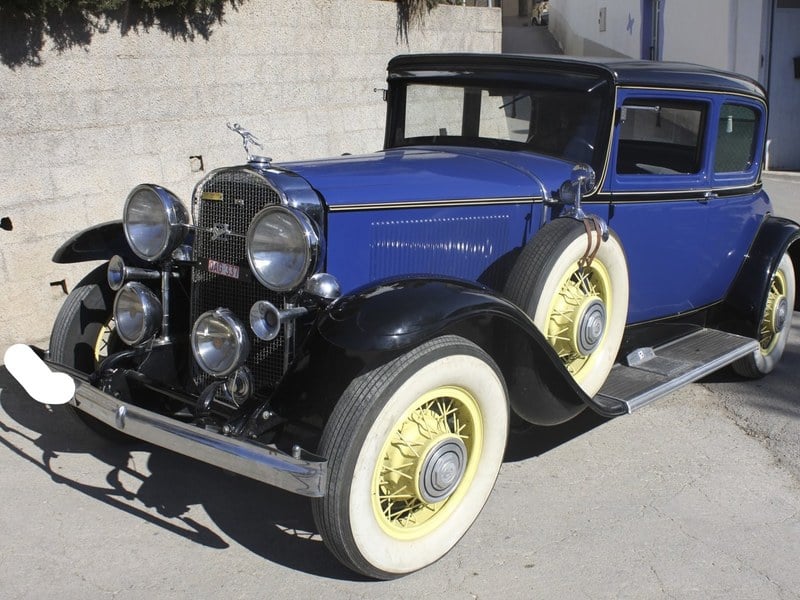
• 8‑cylinder engine, 3, 616 cm³ (220 cu in)
• Roadster body
• Sound upholstery
• Older restoration in need of a refresh
• Recommissioning to be planned
• Easy work for a DIY enthusiast
- details above
The Buick 18/ 50, more precisely the Buick Series 50 from the 1930–1931 era, is an iconic model of the American brand, often regarded as a symbol of prestige and robustness for its time. Here are its main features and its history:
History and context:
The Buick Series 50 was produced in the early 1930s, a period when Buick positioned itself as a marque accessible to American middle classes wanting a vehicle that was both prestigious and affordable.
In 1931, the Series 50 was Buick’s entry‑level model, after the temporary disappearance of the Series 40, and it was equipped with an inline eight‑cylinder engine, a first for the brand in this segment.
The Series 50 marked Buick’s history by offering a good compromise between luxury, performance and price, contributing to the brand’s reputation within General Motors.
Technical specifications (1931 model):
Engine: inline eight‑cylinder, 3, 616 cm³ (220 cu in), developing around 80–90 horsepower.
Body: Available in several versions (roadster, coupé, saloon, convertible).
Transmission: 3‑speed manual gearbox.
Design: Elegant lines for the era, with chrome detailing and a typically American look of the 1930s.
Vaults in good condition, especially roadsters or convertibles, are highly sought after by collectors.
This Buick embodies the charm of pre‑war American cars, with reliable mechanics and timeless styling.