Description
La Jaguar XJC (souvent écrite XJ-C) est la déclinaison coupé deux portes de la berline XJ “Series II”, pensée pour offrir le même luxe feutré mais avec une ligne plus basse, plus tendue et plus exclusive. Le projet existe sur le papier dès la fin des années 1960, mais Jaguar la dévoile au public plus tard, notamment au Salon de Londres en octobre 1973… avant de devoir patienter longtemps pour la mettre réellement en production.
Ce retard vient surtout d’un point très concret : la XJC adopte une carrosserie hardtop sans montant central (pillarless), avec des vitres sans cadre, ce qui donne une silhouette très “grand tourisme”, mais rend l’étanchéité et l’ajustement des vitrages nettement plus difficiles à fiabiliser. À cela s’ajoute un contexte industriel et économique compliqué au milieu des années 1970 (période British Leyland et contrecoups de la crise pétrolière), qui n’aide pas à accélérer le lancement.
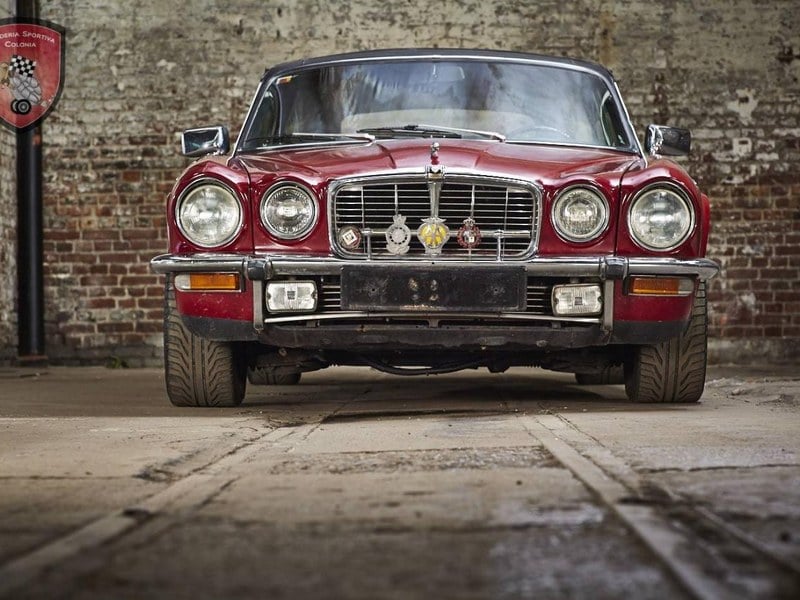
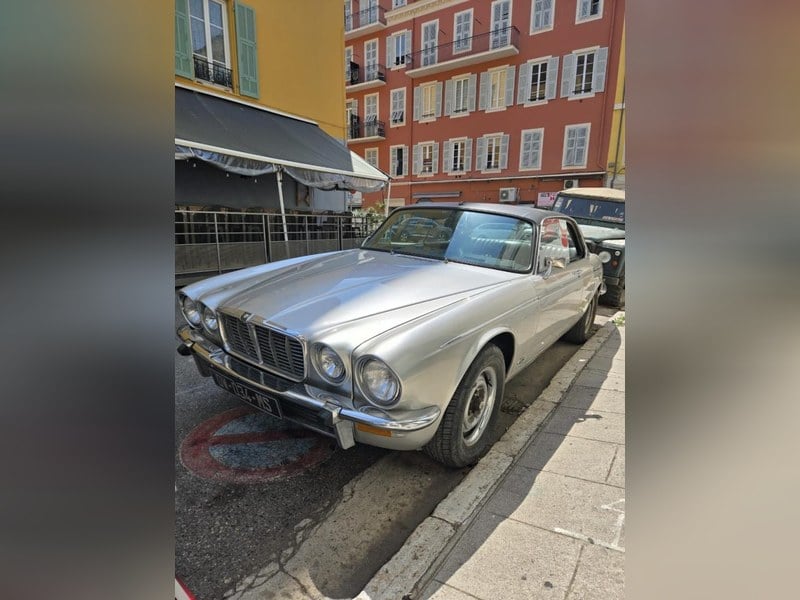
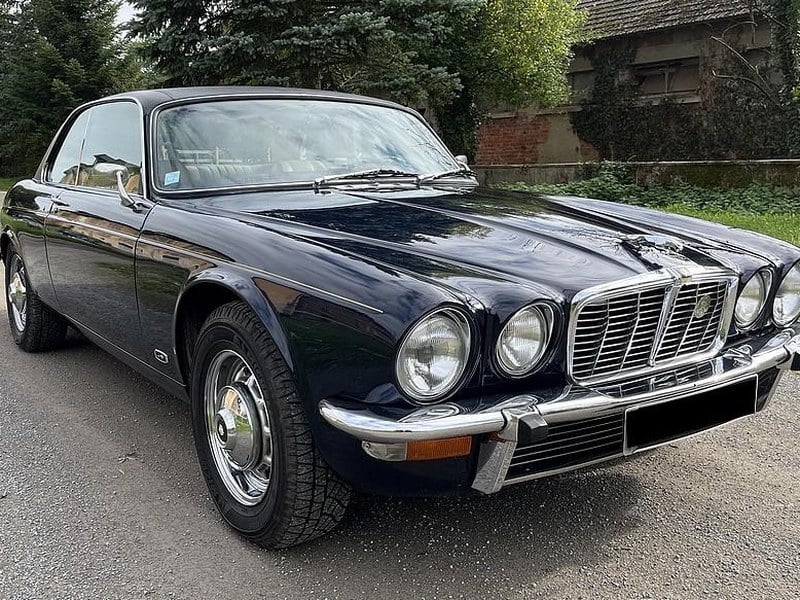
Quand elle arrive enfin en concessions, la XJC reprend la base empattement court de la XJ Series II : longues portes, pavillon étiré, et cette allure très “club anglais” qui la distingue immédiatement d’une XJ quatre portes. La philosophie est moins celle d’un coupé sportif pur que d’un coupé de prestige, fait pour avaler des kilomètres vite et calmement, avec une présentation intérieure et un confort typiquement Jaguar.
Cet exemplaire a été vendu neuf en Europe en décembre 1977. Le certificat de conformité est toujours présent.
Pour une XJC de 1977 en 4. 2 L, on est sur le fameux six-cylindres en ligne Jaguar XK 4 235 cm³, double arbre à cames, qui constitue un peu le “cœur historique” de la marque sur cette période. La XJC pouvait se commander avec ce 4. 2 ou avec le V12 5. 3, mais le 4. 2 reste souvent vu comme le meilleur équilibre entre souplesse, coût d’usage et caractère mécanique “à l’ancienne”.
L’année 1977 est particulièrement importante parce qu’elle correspond à la fin de carrière : la production des XJ coupés s’arrête en novembre 1977 (avec quelques toutes dernières immatriculations selon marchés), ce qui explique leur rareté aujourd’hui. Sur les chiffres de production généralement repris, les XJC 4. 2 totalisent environ 6 487 exemplaires sur toute la période, dont 1 776 pour l’année 1977, ce qui en fait un millésime “de fin de série” recherché.
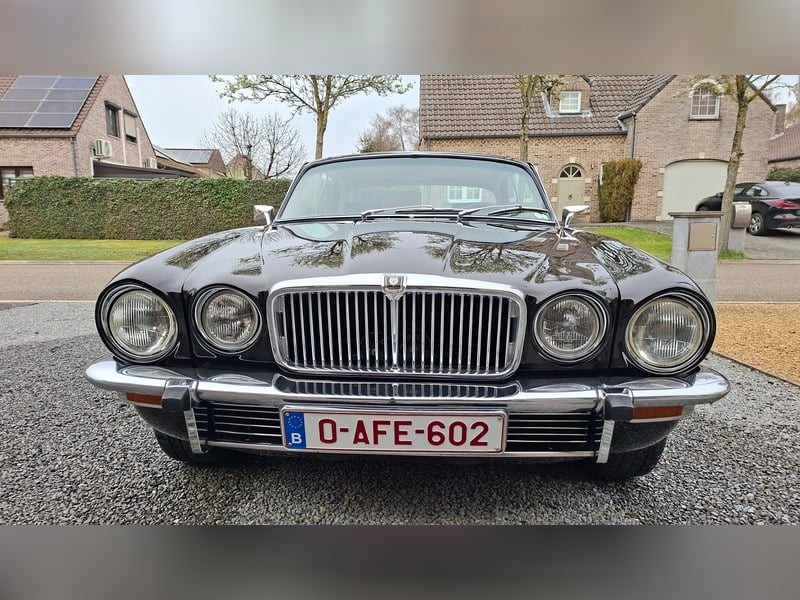
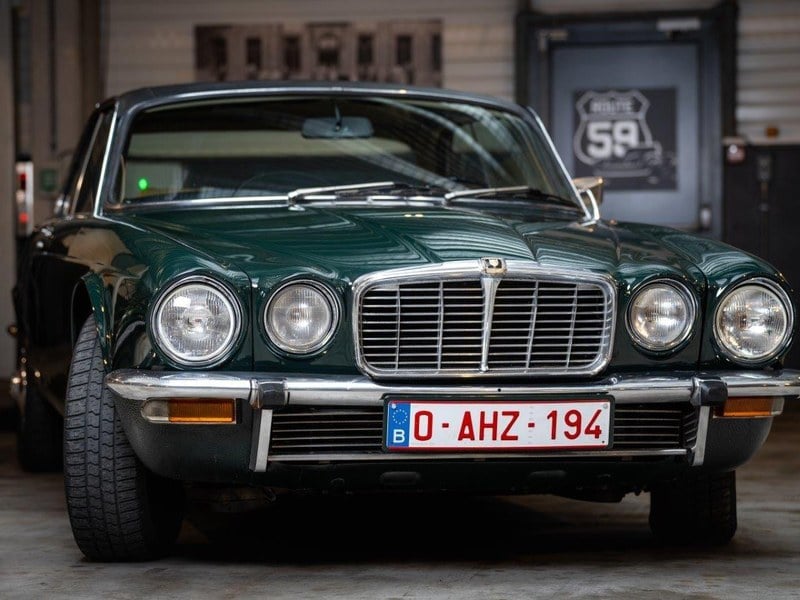
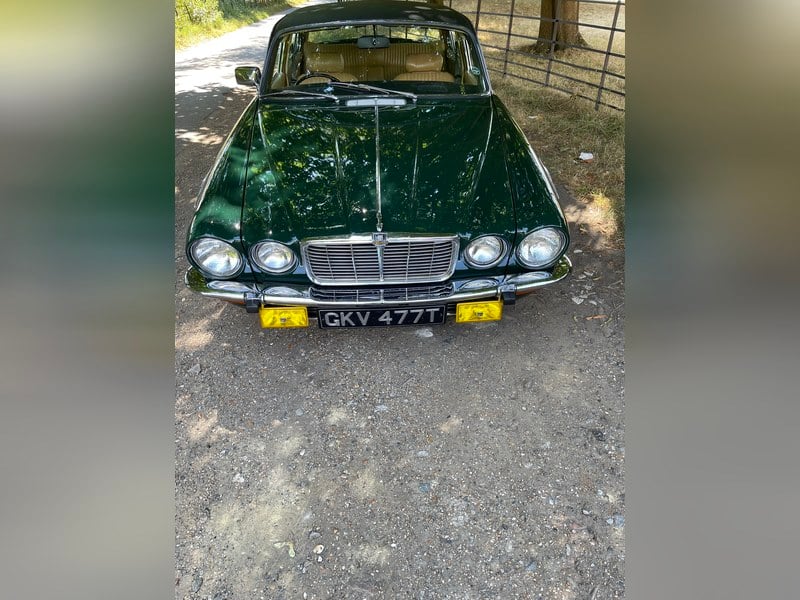
Il totalise 125. 500 km et est dans un très bel état tant esthétique que mécanique. Il ne présente pas de corrosion, et l’intérieur est toujours dans un superbe état d’origine. Il est aussi est équipé d’une allumage électronique 123, et a bénéficié d’un entretien général en 2026