Beschreibung
Motor Buick Rover V8, Hubraum 4600 cm³, 228 PS, Benzin, nicht original und revidiert (Rechnung), SD1-Getriebe mit 5 Gängen, mechanisch
Wenn man das Auto startet, ist die Auspuffmusik fantastisch. Bei vielen Autos handelt es sich um ein Knurren oder Gebrüll, aber hier ist es eine wahre Symphonie, von der Bach oder Mozart sich inspirieren ließen, komponiert von den besten Komponisten der Automobilbranche.
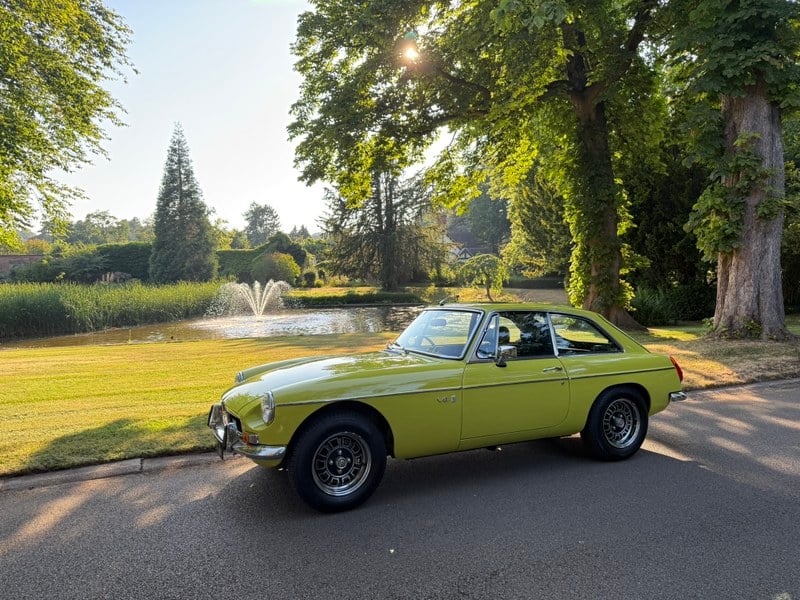
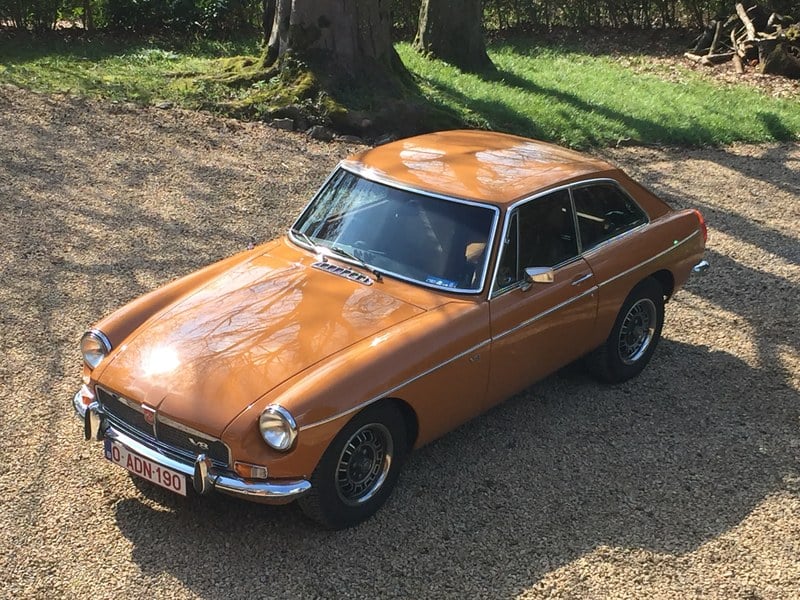
Diese britische Dame hat ihren ursprünglichen Werkszustand längst verlassen. Dieses Exemplar wurde bereits vollständig vom letzten Besitzer restauriert, einem ehemaligen professionellen Autoexperten und leidenschaftlichen Enthusiasten, der mehr als 8 000 € an Teile(n) investiert hat (Rechnungen in unserem Besitz) sowie verschiedene Kosten, neue Lackierung, neue Innenausstattung, Überholung des Leder-Armaturenbretts, Auspuff, Teppich etc. ... Insgesamt belief sich die Wiederherstellung auf etwa 11 500 €
Der Besitzer hat mehr als 2000 Arbeitsstunden investiert, um ihn zu pflegen, abgesehen von diesen Stunden (na ja, ein bisschen ...)
Das Fahrzeug ist mit Edelbrock Performer Serien-Vergasern 600CMF, vorderer Dreiecksaufhängung und Bilstein-Dämpfern ausgestattet
Hintere verstärkte Blattfedern und Bilstein-Dämpfer hinten, Minilite 15-Zoll-Räder …
Laut Akten scheint der vorherige belgische Besitzer ebenfalls Renovierungsarbeiten in Höhe von 26 000 € durchgeführt zu haben! (Rechnungen belegen es)
Das Fahrzeug befindet sich in einem sehr guten Präsentationszustand und möchte nur noch mit dem Wind in den Haaren fahren (falls noch welche übrig sind ...)
Historie der MG B V8:
Sich bewusst, dass der B im Laufe der Zeit immer mehr Konkurrenz ausgesetzt war und nach dem Verschwinden der MG C im Jahr 1969 wollte die British Leyland-Gruppe eine neue B „Hochleistung“ herausbringen.
Zu diesem Zweck ließ sie sich von einem unabhängigen Tuner (Ken Costello) inspirieren, der ab 1970 erfolgreich B mit einem 3, 5 l Buick- oder Oldsmobile-V8, aus Aluminium, anbot und so außergewöhnliche Leistungen ermöglichte.
Die Leyland-Gruppe entschied daher, ihr eigenes V8-Modell zu lancieren, indem sie aus der Bank der Motorenbausteine des Konsortiums schöpfte, und wählte den Rover-V8 (abgeleitet vom Buick-Motor), der die Rover P5, P6, SD1, Land Rover und Range Rover ausstattete.
Einige Verbesserungen wurden vorgenommen, wie die Senkung des Kompressionsverhältnisses und die Änderung der Position der Vergaser, um die Höckerung der Motorhaube zu vermeiden, die Costellos hatten.
Die Leistung betrug 137 PS DIN, eine recht geringe Ausbeute für einen V8, doch aufgrund des geringen Gewichts des Autos (1100 kg) – dank der Leichtbauweise (144 kg, 18 kg leichter als der gusseiserne 4-Zylinder der B…) – bot es durchaus beachtliche Leistungen (200 km/ h, 0–100 in 8, 5 s).
Außen unterschied es sich nur durch V8-Abzeichen vorne und hinten, Dunlop-Felgen aus Stahl/ Legierung mit schwarzem Hintergrund, Chromlaufband und leicht blau getönten Scheiben; innen gab es keine Änderungen am Innenraum außer kleineren Instrumenten und speziellen gestreiften Stoffen;
Technisch basierte es auf dem Getriebe und der Hinterachse der C (mit anderen Übersetzungsverhältnissen) mit verstärkten Bremsen und Federung.