Beschreibung
Der kleine Bristol-Motorboot, entworfen von John Tojeiro in den frühen 1950er Jahren, erzielte große Erfolge im Rennsport unter der Kontrolle von Cliff Davis. AC Cars, bekannt für seine Sportmodelle, aber mit einer veralteten Modellpalette, suchte nach einem neuen Modell und interessierte sich lebhaft für Tojerios Motorboot und beschloss, es 1954 unter dem Namen Ace in Produktion zu nehmen. Die Karosserie von Tojeiro war praktisch eine genaue Kopie der wunderschönen Ferrari 166 MM Barchetta, die von Touring entworfen wurde, und wurde mit geringfügigen Änderungen auf dem Ace übernommen. Sie basierte auf einem Leiterrahmen mit unabhängiger Aufhängung, inspiriert von den Cooper-Modellen, die John Tojeiro ebenfalls entworfen hatte.
AC übernahm jedoch nicht den Bristol-Motor für sein Modell und zog es vor, seinem bewährten alten Sechszylinder mit 2 Litern Hubraum und langer Bohrung mit obenliegender Nockenwelle treu zu bleiben. Seine Konstruktion stammte aus dem Jahr 1919 und seine bescheidenen 80 PS waren für einen modernen Sportwagen etwas knapp bemessen.
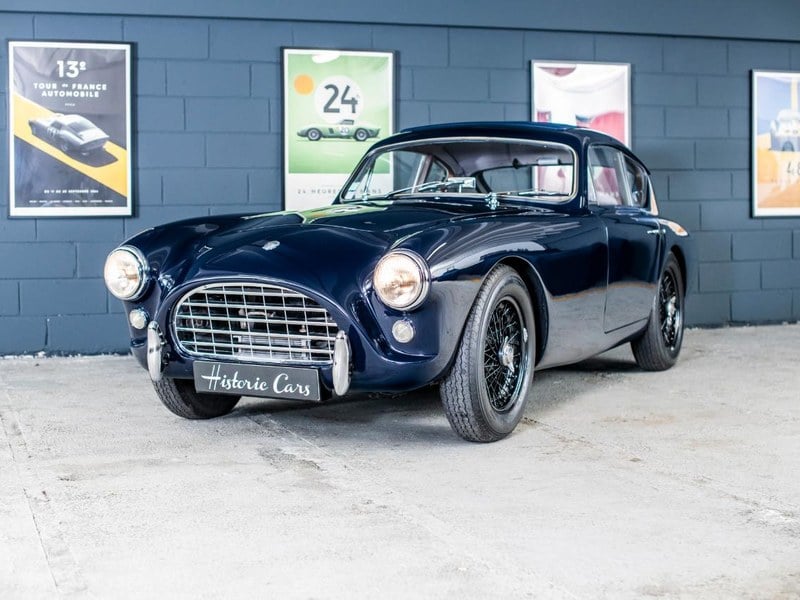
Er wurde auf 100 PS hochgefahren, was dem Ace respektable, aber nicht wirklich spektakuläre Leistungen ermöglichte. Eine sehr schöne und originelle Coupé-Version mit Fastback-Karosserie, entworfen von Alan Turner und Aceca genannt, wurde 1954 in Earls Court in London enthüllt. Seine Karosserie war aus handgeformten Aluminiumblechen gefertigt und basierte auf einem Stahlrohrrahmen. Um die Resonanzeffekte in der Kabine zu reduzieren, montierte AC die Komponenten auf Gummiblöcken. Der Stahlrohrrahmen war solider konstruiert als der des Ace.
Der Aceca war ein sehr verführerischer, leichter und gut motorisierter GT. Der Ace und der Aceca trugen dazu bei, AC seinen Vorkriegsglanz bei Sportbegeisterten zurückzugeben. Der Ace und der Aceca erfuhren während ihrer Karriere sehr wenige Änderungen, abgesehen vom Motorwechsel 1956, als der stärkere Bristol-Sechszylinder mit 2 Litern Hubraum (bis zu 130 PS) verfügbar wurde. Gegen Ende der Produktion wurde schließlich der ausgezeichnete 2, 6-Liter-Motor des Ford Zephyr, leicht und kompakt für seinen Hubraum, übernommen. Die Kombination aus einem steifen, straßentauglichen Rahmen und einem interessanten Leistungsgewicht – mit dem Bristol-Motor erreichte das Auto bereits 190 km/ h – ermöglichte es der Ace-Version, zahlreiche Erfolge im Rennsport in der Seriensporten-Kategorie zu erzielen, wobei das beste Ergebnis der siebte Platz in der Gesamtwertung und der erste in seiner Klasse beim 24-Stunden-Rennen von Le Mans 1959 war.
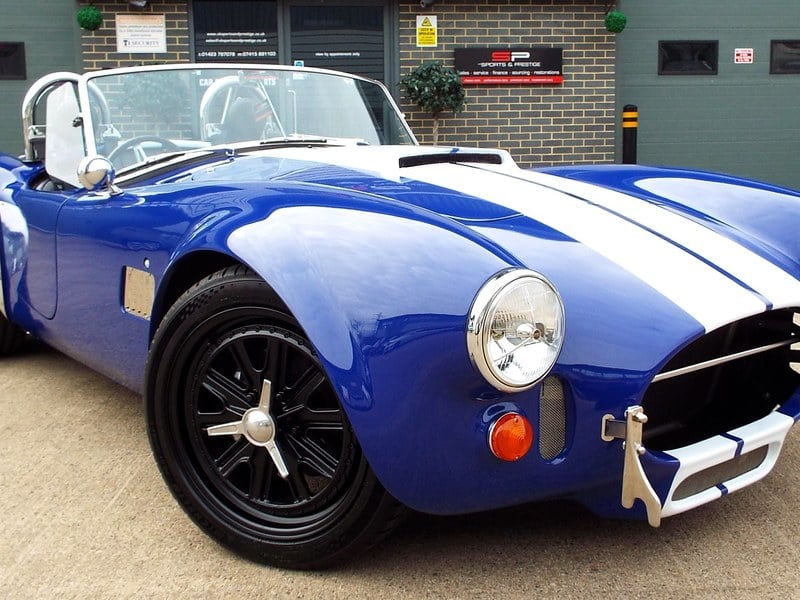
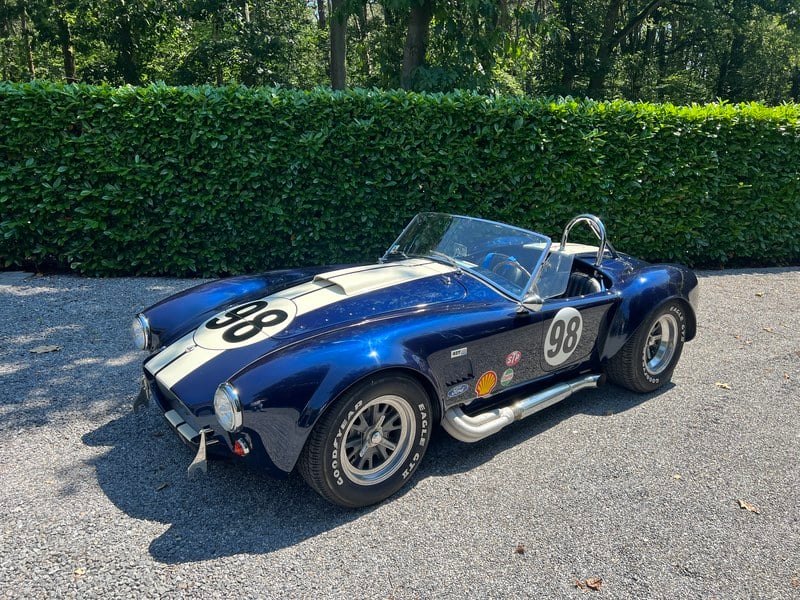
Der Rest der Geschichte ist bekannt. Dieses gut gebaute Auto wurde von Carroll Shelby ausgewählt, um einen Ford V8 in sein verstärktes Chassis einzubauen, was zur Geburt der legendären Cobra führte, die AC endgültig aus einem engen Kreis von Kennern herausholte und ihm internationale Anerkennung sicherte.
BE625 wurde 1957 zum ersten Mal zugelassen, was sie für die Mille Miglia berechtigt. Es ist einer der 169 produzierten Aceca mit Bristol-Motor. Das grüne Logbuch zeigt die ersten Besitzer an, und der Club vermerkt, dass es sich um den ersten Aceca handelt, der die Fabrik mit Scheibenbremsen ab Werk verließ. Wir kennen dieses Auto gut, da wir seinen vorherigen Besitzer viele Male getroffen haben, der es intensiv nutzt, seit er es 2017 gekauft hat. Seitdem wurden zahlreiche Arbeiten durchgeführt, um nicht nur die Zuverlässigkeit, sondern auch den Komfort bei Langstreckenfahrten zu gewährleisten. Eine Überholung des Getriebes durch Stanton Motorsports im Jahr 2018. Classic Performance Engineering führte die vollständige Wartung des Aceca durch, einschließlich einer kompletten Überholung des Differenzials im Jahr 2020. Was den Motor betrifft, hat Pendine Works seinen seltenen 100C2 vollständig überholt und gleichzeitig eine neue Kupplung eingebaut. Wir haben kürzlich die Wasserpumpe wechseln lassen und einige Wartungsarbeiten in der Pariser Werkstatt durchführen lassen, mit der wir zusammenarbeiten.
Der vorherige Besitzer war der Enkel des Gründers von Bristol Cars, und als solcher hat er auch faszinierende Kopien einer Korrespondenz zwischen Bristol Cars und AC in die Geschichte aufgenommen. Es handelt sich um ein außergewöhnlich gut gepflegtes Exemplar, bereit für viele Kilometer. Immer perfekt gepflegt, mit einer schönen Dokumentation, ist es bereit, sich auf den Weg zum nächsten Tour Auto oder zu den Mille Miglia zu machen.