
Beskrivning
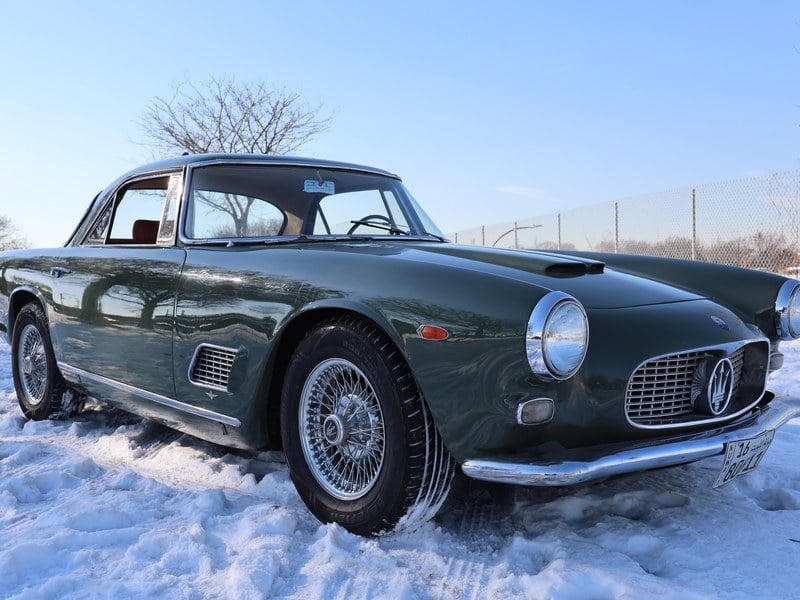
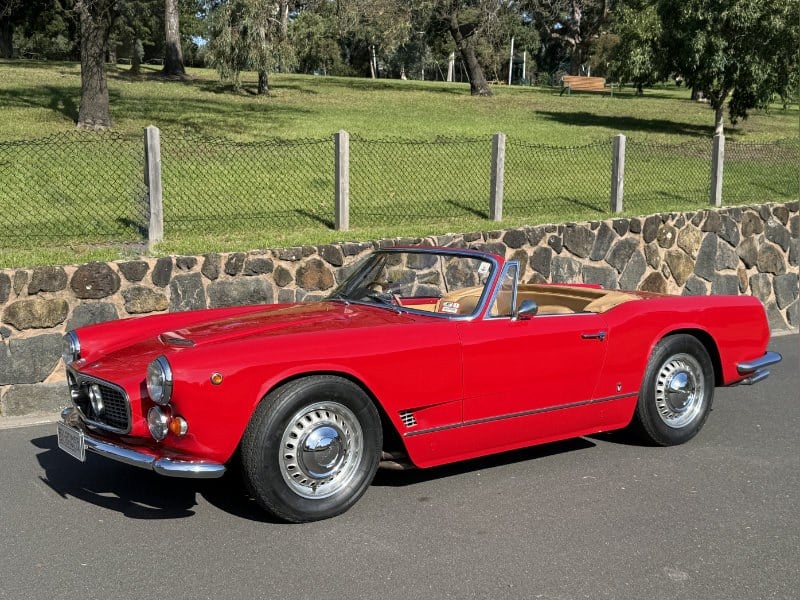
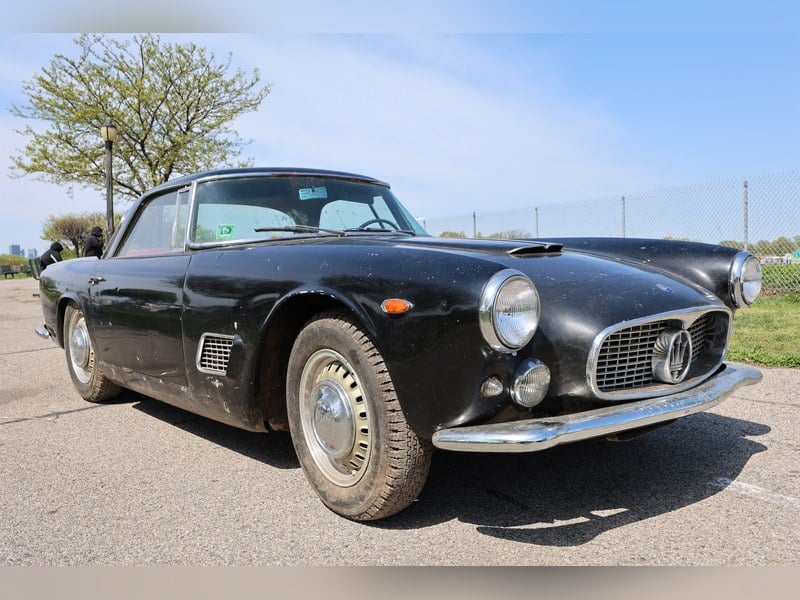
Die Entstehung des Gran Turismo" Doch schauen wir zuerst zurück: Maserati, gegründet 1914 in Bologna, war 1937 vom Industriellen Adolfo Orsi verkauft worden. Orsi verlegte den Sitz nach Modena, konnte mit den Maserati zwar Rennerfolge erzielen, doch wirtschaftlich lief es bis Anfang der 60er Jahre gar ***** gut. Mit dem ** A6** und all seinen vielen Derivaten, die ab 1947 produziert wurden, boten die Italiener zwar auch ein Straßen taugliches Modell an, doch erst als im März 1957 auf dem 27. Genfer Salon ein weißer Maserati 3500 GT zusammen mit dem neuen Mercedes 300 SL und einem von Pininfarina gezeichneten Ferrari 250 GT Spider vorgestellt wurden, entwickelten sich die Verkaufszahlen in eine Richtung, die eine Serienfertigung und auch einen finanziellen Erfolg möglich machten. . Mitte der Fünfzigerjahre entstand ein ** neues Segment von Sportwagenkäufern**. Unternehmer, Stars und anderswie Erfolgreiche dürstete es nach schnellen luxuriösen Sportwagen, sie wollten keine Rennen fahren, sondern schnell auf dem immer besser ausgebauten Straßennetz unterwegs sein. Maserati, respektive Ingeniere ** Giulio Alfieri** , erkannte diesen Trend schnell und baute einen eleganten zwei-plus-zwei-sitzigen Sportwagen, der bestehende Technik mit neuen Ideen kombinierte. Und neue Ideen taten Not in einer Zeit, wo Maserati unter empfindlichen finanziellen Problemen litt. Selbstverständlich hatte Maserati zum Nachbarn nach Maranello geschaut, wo der Gran Turismo Ferrari 250 GT durch die Decke ging. Einen anständigen Motor hatte man auch in Modena, der 3, 5-Liter-Reihensechszylinder aus dem Rennwagen 350S konnte relativ einfach angepasst werden. Die etwa 220 - 240 PS bei den ersten Versionen, die über drei Doppelvergaser von Weber mit Gemisch versorgt wurden, sorgten für gute Fahrleistungen, obwohl der Maserati mit seinen 1, 4 Tonnen kein Leichtgewicht war. Geschaltet wurde zu Beginn über vier Gänge, ab 1961 gab es dann ein 5-Gang-Getriebe von ZF. Der 3500 GT stand auf einem klassischen Rohrrahmen. Die Vorderräder war einzeln an Doppelquerlenkern aufgehängt und wurden über Schraubenfedern gefedert. Hinten gab es eine Starrachse, die Maserati bei Salisbury Wheels in England einkaufte – es war dies der größte Kritikpunkt ** 3500 GT neben den anfangs verwendeten Trommelbremsen von Girling. Ab 1960 gab es dann Scheibenbremsen vorne. Im Vergleich zum ** Ferrari 250 GT Coupé** war der Maserati eher komfortabel ausgelegt. Allseits gelobt wurde dagegen das Design. Auf dem Genfer Salon von 1957 standen noch zwei Aufbauten zur Auswahl, eine von Allemano, eine zweite von Touring, die dann auch für die Serienproduktion übernommen wurde. Touring sollte dann auch das Cabriolet bauen, doch der Entwurf wirkte relativ plump, also ging der Auftrag an Vignale, wo Giovanni Michelotti ein hübsches Modell mit elegantem Hüftschwung entworfen hatte. Bis 1964 entstanden inklusive dem ab 1962 gebauten 3500 GTI mit Saugrohreinspritzung doch 1972 Exemplare mit der Touring-Coupé-Karosserie. Dazu kamen noch 245 Vignale-Spider und einige wenige Einzelstück anderer italienischer Meisterschneider ** Renntechnik für die Straße** Der Motor allerdings ging trotzdem noch auf ein Renntriebwerk zurück. Mit dem Dreieinhalbliter-Sechszylinder war Stirling Moss bereits 1956 bei der Mille Miglia angetreten und gewann damit die Formel 1 in 1957. Zwei obenliegende Nockenwellen und Doppelzündung verstanden sich also ebenso von selbst wie drei Doppelvergaser. In Höchstleistung und -drehzahl reduziert und mit Steuerkette statt Stirnrädern leistete der Leichtmetall-Motor noch immer souveräne 220 PS bei 5500 Umdrehungen pro Minute. Im zeitgenössischen Konkurrenzumfeld der Supersportwagen bewegte er sich damit zwischen Mercedes-Benz 300 SL (215 PS) und Ferrari 250 GT (240 PS). Mit einem Hubraum von 3485 Kubikzentimetern war der Sechsender zudem der größte italienische Serienmotor seiner Zeit. Während der Motor von Chefkonstrukteur Giulio Alfieri entwickelt worden war, kaufte man die restlichen Technik-Komponenten von externen Firmen zu. So stammten das Vierganggetriebe (ab 1961 das Fünfganggetriebe) und die Schneckenlenkung von ZF, die Trommelbremsen von Gerling und das Differential von Salisbury. Auf diese Weise ging man sicher, dass alle Komponenten auch bei einer Höchstgeschwindigkeit von bis zu 230 km/ h problemlos funktionierten, und verlor ***** wertvolle Zeit mit der Erprobung von Eigenentwicklungen. Zusammengefasst wurde das technische Konglomerat in einem Gitterrohrrahmen mit zwei stabilen Längsträgern sowie extrastarken Schwellern. Dadurch eignete sich der 3500 GT anders als eine selbsttragende Konstruktion sehr gut für den Bau von Sonderkarosserien. ** Was ist das Besondere an diesem Fahrzeug?** Der 3500 GT gehört heute zu der bedeutenden Maserati Sammlung „Tridente Colonia - Collezione perfetta del Curbs Club“ Diese Sammlung steht auch als Paket zum Verkauf und besteht aus folgenden Fahrzeugen: Maserati Gibli 4700 (Restauriert zur Perfektion) Maserati Mistral 3700 GTI..."