Description
The origin of the Gran Turismo
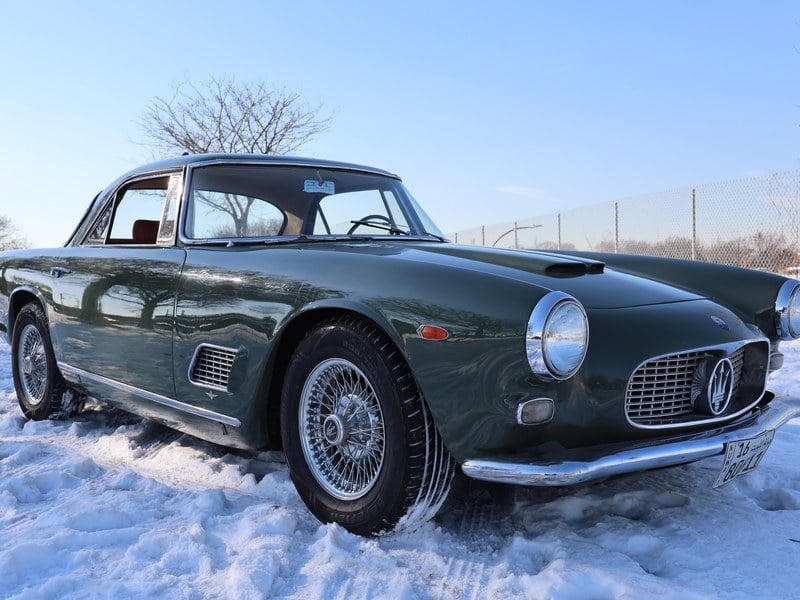
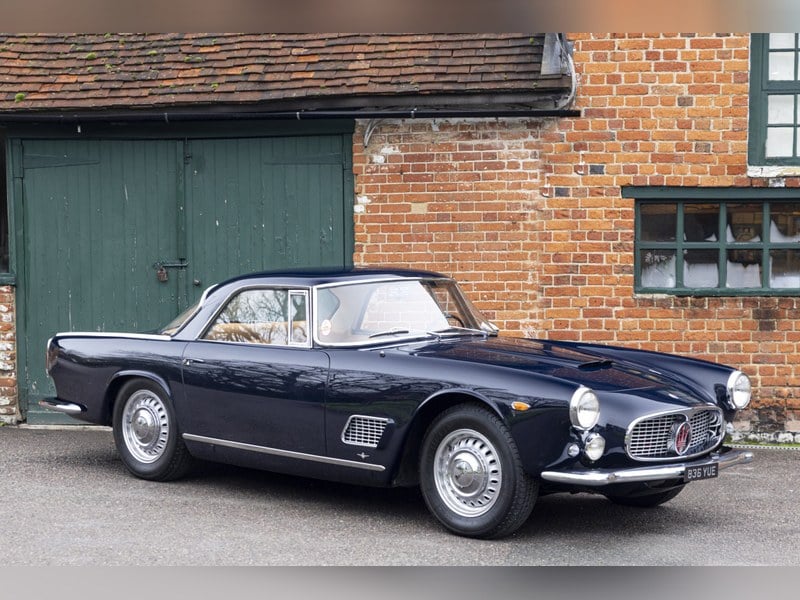
But first, let us look back: Maserati, founded in 1914 in Bologna, had been sold in 1937 by the industrialist Adolfo Orsi. Orsi moved the seat to Modena, and while the Maseratis could achieve racing successes, financially things went rather ***** well up to the early 60s. With the A6 and all its many derivatives, produced from 1947 onward, the Italians offered a road-legal model, but it was only when, in March 1957 at the 27th Geneva Salon, a white Maserati 3500 GT was presented together with the new Mercedes 300 SL and a Ferrari 250 GT Spider designed by Pininfarina that the sales numbers moved in a direction that made series production and also financial success possible. In the mid-1950s, a new segment of sports car buyers emerged. Entrepreneurs, stars and otherwise successful people craved fast, luxurious sports cars; they didn’t want to go racing, but to travel quickly on the increasingly well-developed road network. Maserati, or rather engineer Giulio Alfieri, quickly recognised this trend and built an elegant two-plus-two sports car that combined existing technology with new ideas. And new ideas were needed at a time when Maserati was wrestling with delicate financial problems. Of course Maserati had looked to its neighbour in Maranello, where the Gran Turismo Ferrari 250 GT was going through the roof. There was a decent engine in Modena as well—the 3. 5-litre inline-six from the racing car 350S could be adapted relatively easily. The first versions delivered about 220–240 PS, supplied by three Weber carburettors, delivering good performance, even though the Maserati, at 1. 4 tonnes, was not a lightweight. Initially gears were four-speed; from 1961 there was a five-speed ZF gearbox. The 3500 GT stood on a classic tubular frame. The front wheels were individually suspended by double wishbones and springing via coil springs. At the rear there was a solid axle, which Maserati sourced from Salisbury Wheels in England—that was the major criticism next to the originally used Girling drum brakes. From 1960 there were discs at the front. Compared with the Ferrari 250 GT Coupé, the Maserati was designed more for comfort. The design was universally praised. At the 1957 Geneva Salon, two bodies were still available, one by Allemano and a second by Touring, which were later adopted for series production. Touring was supposed to build the cabriolet as well, but the design appeared relatively clumsy, so the order went to Vignale, where Giovanni Michelotti had drawn a pretty model with an elegant hip swing. By 1964, including the 3500 GTI with induction pipes built from 1962, there were 1972 examples with the Touring coupé body. There were also 245 Vignale spiders and a few other individual pieces by other Italian master tailors.
Racing technology for the road
The engine, however, still traced back to a race engine. With the 1. 5-litre inline-six, Stirling Moss had already entered the Mille Miglia in 1956 and thereby won the Formula 1 in 1957. Two overhead camshafts and double ignition were as self-evident as three double carburettors. In peak power and speed, reduced and with a timing chain instead of gear wheels, the lightweight metal engine still produced a sovereign 220 PS at 5500 rpm. In the contemporary field of supersport cars, it sat between the Mercedes-Benz 300 SL (215 PS) and Ferrari 250 GT (240 PS). With a displacement of 3, 485 cubic centimetres, the six-cylinder was furthermore the biggest Italian production engine of its time. While the engine had been developed by chief designer Giulio Alfieri, the other technical components were purchased from external firms. The four-speed transmission (from 1961 the five-speed) and the steering by a worm-and-roller were from ZF, the brakes from Girling and the differential from Salisbury. In this way, it was ensured that all components functioned flawlessly at speeds of up to 230 km/ h, and valuable time was not wasted trying to develop everything in-house. All of this technical conglomerate was housed in a ladder-type frame with two stable longitudinals and extra-strong sills. This made the 3500 GT, unlike a self-supporting construction, very well suited for the construction of special bodies.
What is special about this vehicle?
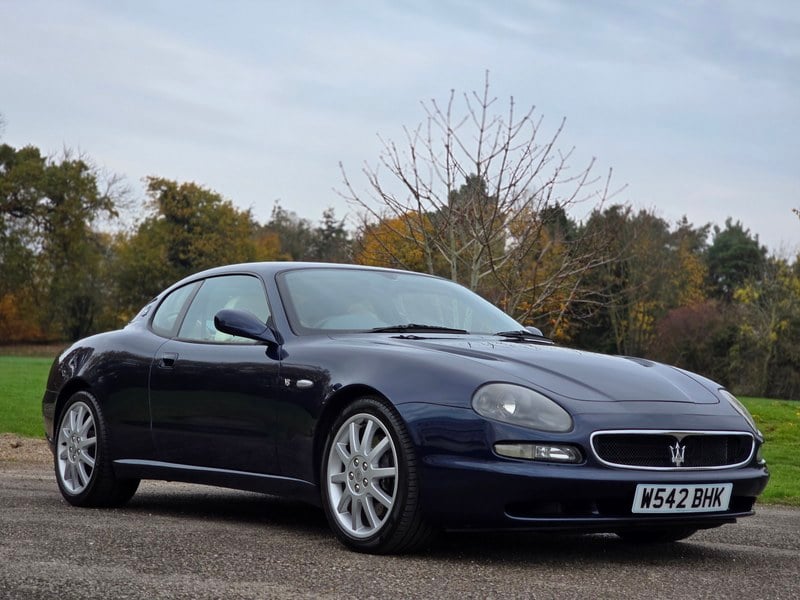
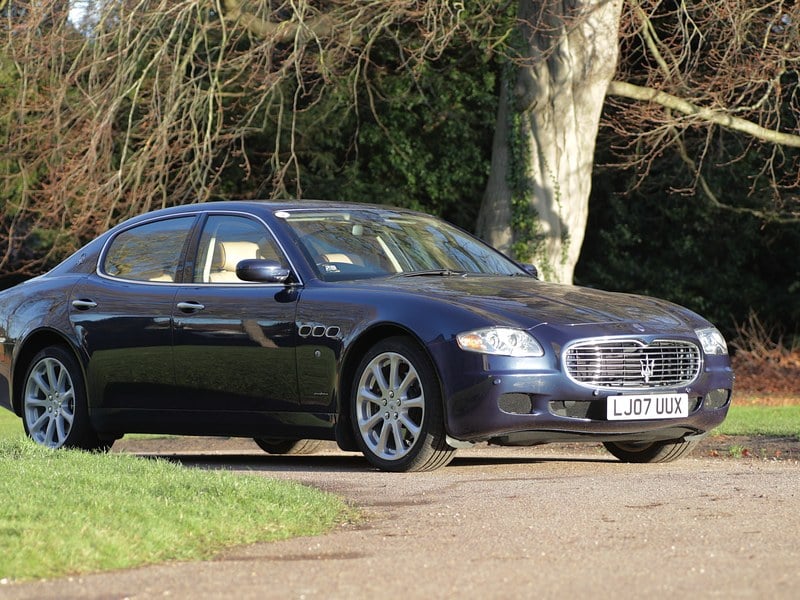
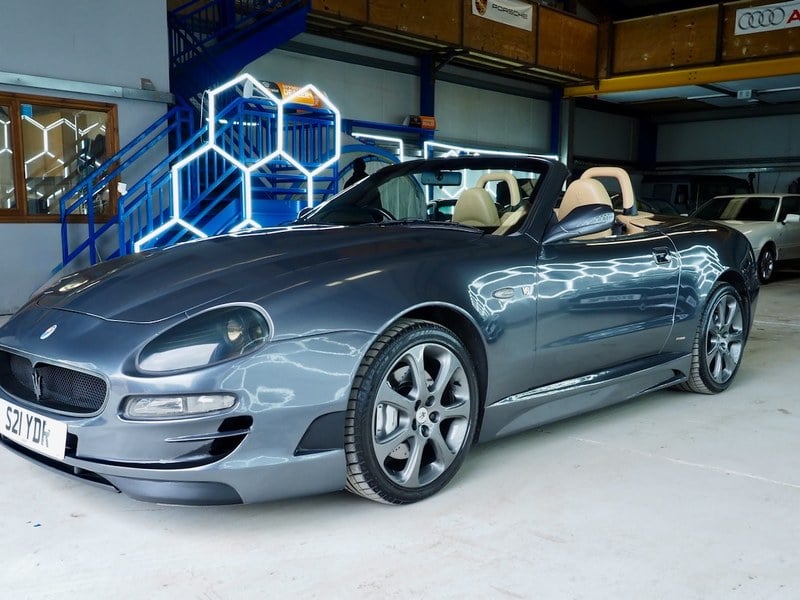
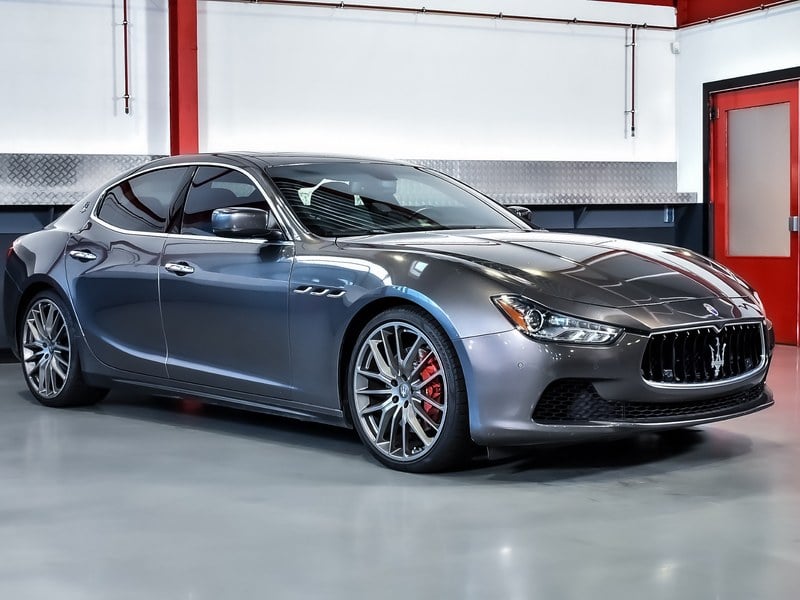
The 3500 GT belongs today to the significant Maserati collection “Tridente Colonia - Collezione perfetta del Curbs Club.” This collection is also on sale as a package and consists of the following vehicles: Maserati Gibli 4700 (restored to perfection) Maserati Mistral 3700...