Descrizione
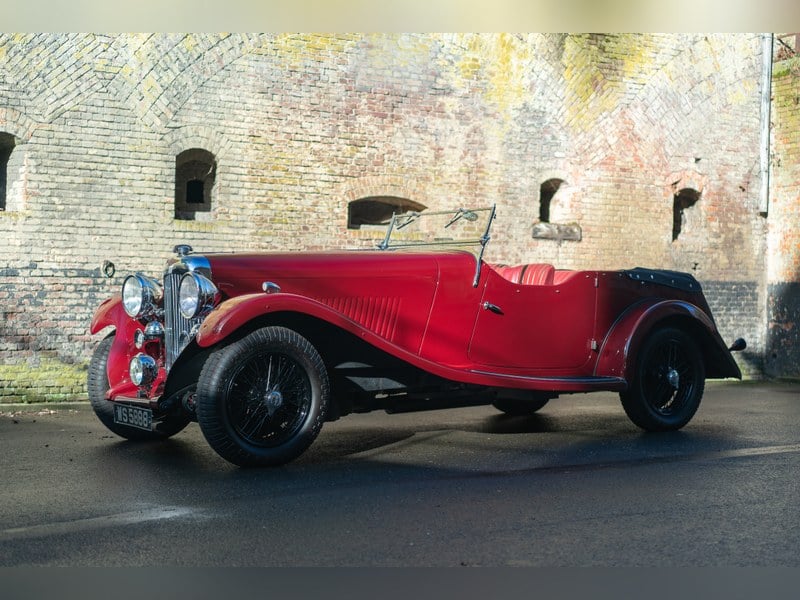
La straordinaria traiettoria di Lagonda nel periodo tra le due guerre ha dato vita ad alcune delle macchine sportive più durature della Gran Bretagna. La reputazione dell'azienda per l'eccellenza ingegneristica, le prestazioni da gran turismo e l'eleganza sportiva era già ben consolidata a metà degli anni Trenta, grazie soprattutto al successo ottenuto con le auto delle serie M45 e LG, modelli che sarebbero diventati la spina dorsale dell'eccellenza automobilistica britannica del periodo prebellico. L'esemplare qui offerto nasce nel 1934 come Lagonda M45/ ST34 "Pillar Saloon", un'imponente berlina a sei finestrini costruita per percorrere comodamente lunghe distanze. Sotto la sua dignitosa carrozzeria si nascondeva il leggendario motore Meadows a sei cilindri in linea da 4, 5 litri, rinomato per la sua coppia e affidabilità, e un robusto telaio condiviso con i precedenti modelli da 3 litri. Pur essendo elegante, la configurazione da berlina nascondeva il potenziale sportivo offerto da questi propulsori. L'auto fu iscritta per la prima volta al comandante Bouchier Wray, un inizio degno di nota per un'auto di tale presenza. Come per molte Laguna, il tempo e il cambiamento dei gusti avrebbero rimodellato l'identità di questa vettura. A metà degli anni Ottanta, l'auto fu scoperta nel noto cantiere di Forshaw (Aston Service Dorset), da tempo considerato un tesoro per gli appassionati di Lagonda e Aston Martin. Da qui, il telaio originale ST34 è stato accorciato alle specifiche T9 Tourer e sapientemente rimodellato utilizzando la carrozzeria originale M45 Rapide T9, in particolare ricavata da una Bentley 3 litri. Il lavoro è stato eseguito dallo stimato specialista del marchio David Ayre, che continua a occuparsi della manutenzione dell'auto ancora oggi. Il risultato è un'auto assolutamente "giusta": proporzionata con intenzione, meccanicamente fedele e visivamente coerente. Oggi, l'auto si presenta in un eccellente ordine meccanico ed estetico, che incarna una miscela ben calibrata di originalità e di miglioramenti simpatici. Il telaio e la meccanica originali sono stati conservati, mentre gli aggiornamenti turistici essenziali sono stati integrati in modo sottile. Tra questi, il montaggio di nuove pompe del carburante elettriche per garantire l'affidabilità - anche se l'impianto originale accompagna la vettura - e un differenziale stradale veloce, che consente di viaggiare in modo rilassato sulle strade moderne. Solo 10 anni fa sono stati montati dei nuovi cerchi che garantiscono una guida sicura e disinvolta. In particolare, l'auto ha un certificato di revisione valido, nonostante non sia richiesto per legge per un'auto di questa età, a sottolineare l'attenzione prestata alla sua continua integrità meccanica. In termini di presentazione, l'auto è rifinita in una bella tonalità di verde scuro. La meccanica mostra la leggera patina dell'uso da parte di un appassionato, mentre la carrozzeria e gli interni trasmettono un senso di fascino maturo piuttosto che un restauro eccessivo. Ha l'aria inconfondibile di un'auto che è stata usata regolarmente, mantenuta correttamente e goduta a fondo. L'auto è accompagnata da un fascicolo storico completo, a ulteriore testimonianza della sua provenienza e della sua cura. Questa Lagonda è ora completamente preparata e "on the button", pronta per tour veloci su strada, raduni o semplicemente per essere ammirata come una delle più belle espressioni dell'automobilismo britannico prebellico. Che si tratti del continente o delle stradine del Devon, è un'auto che premia sia l'uso brioso che la custodia attenta.