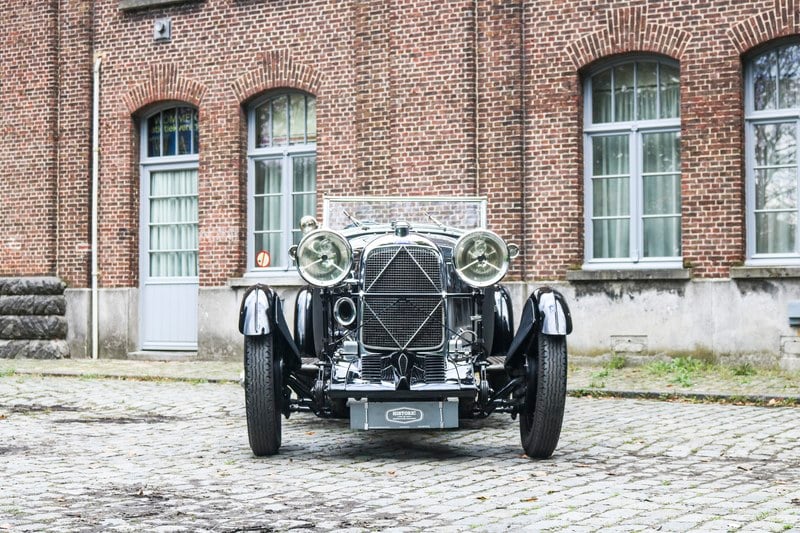


Beschreibung
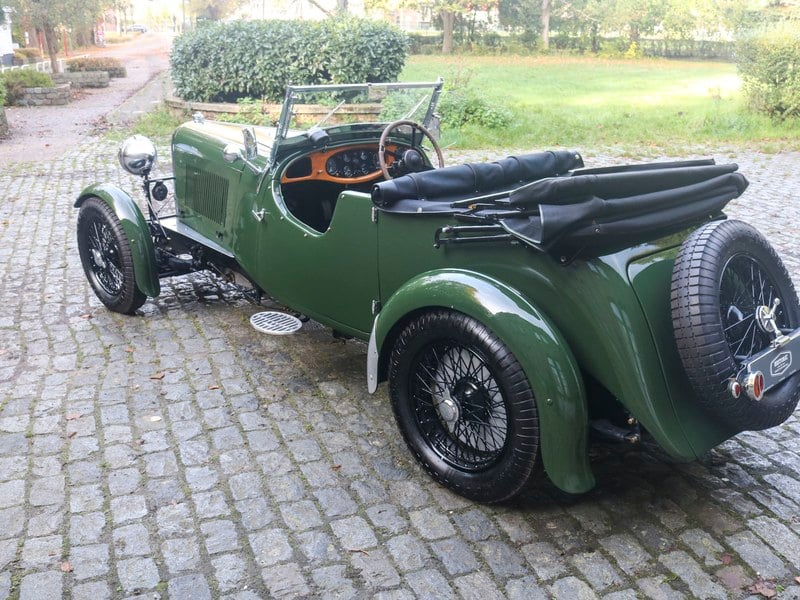
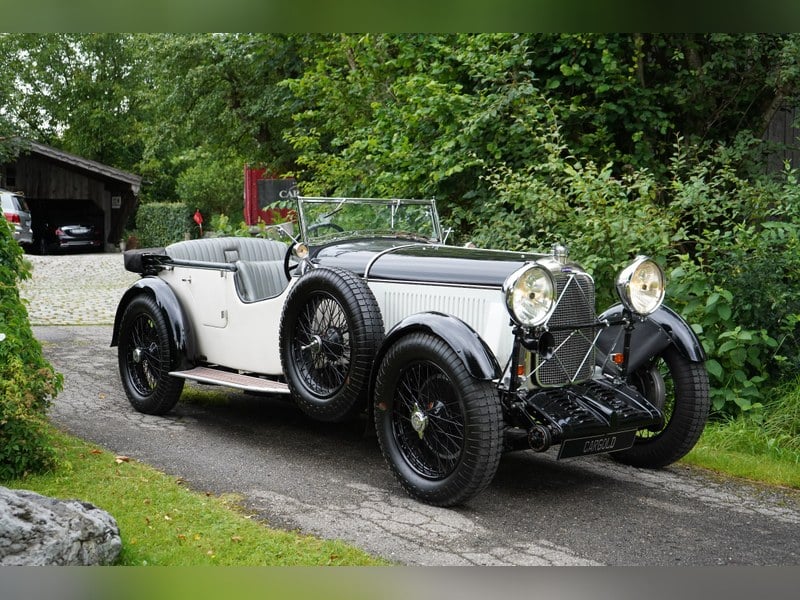
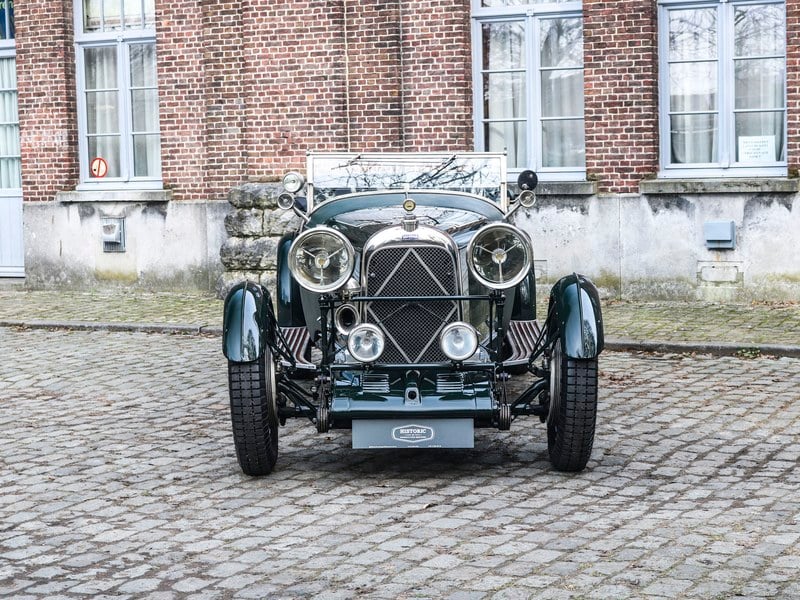
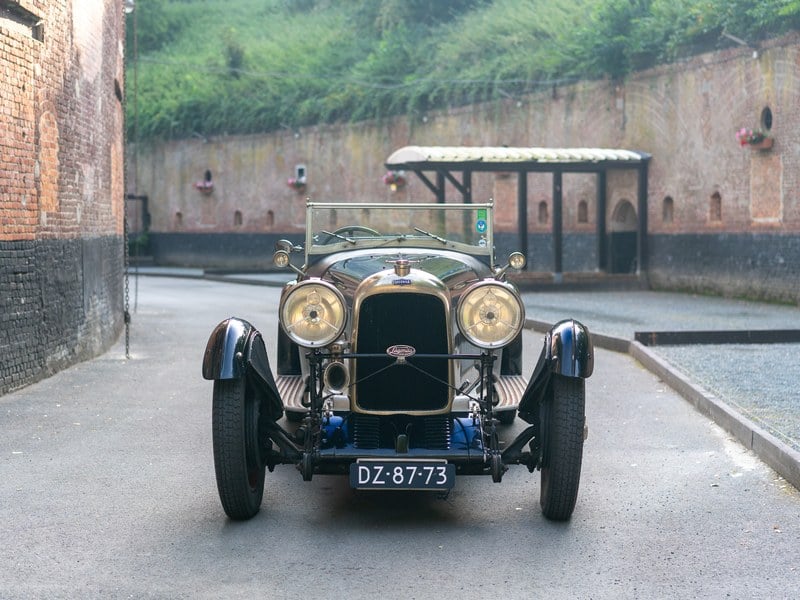
DER ALLERERSTE 2-LITER MIT SUPERCHARGER, UND ALS DER „WORKS PROTOTYPE“ BETRACHT
DER ERSTE GESCHWINDIGTE 2-LITER-MOTOR MIT SUPERCHARGER.
WURDE IN DEN WERBEMATERIALIEN UND BEI PRESSETESTS VON LAGONDA VERWENDET.
• Fahrgestellnummer: 0H9711
• Motornummer: 1459 (2B981)
• UK-Registrierung: PL1240
Renngeschichte:
Nachdem es sich durch den Sieg beim Moscow-St. Petersburg Reliability Trial von 1910 mit einem 30-PS-Sechszylindermotor einen Namen gemacht hatte, konzentrierte sich Lagonda überwiegend auf die Produktion leichter Autos, bevor es Mitte der 1920er Jahre zu sportlichen und Luxussmodellen zurückkehrte, mit der Einführung des 14/ 60. Letzteres verzichtete auf das herkömmliche Getriebe in Einbaubauweise zugunsten einer mittschiffs montierten Getriebeeinheit, doch technisch interessanter war der Motor.
Der 2-Liter „Vierzylinder“
Entworfen von Arthur Davidson, verfügte der 2-Liter-Vierzylinder über zwei Nockenwellen, hoch im Block angeordnet, die geneigte Ventile in kugelförmigen Brennräumen betätigen. Die Leistung dieses fortschrittlichen Designs betrug respektable 60 PS.
Das Speed Model entsteht
Für die Saison 1929 wurde ein „niedriges Fahrgestell“-Speed Model eingeführt, das Überarbeitungen am Vorderteil des Rahmens und einen höher verdichteten Motor mit Doppelvergasern erhielt. Das Speed Model war das Ergebnis des Werksversuchs von Le Mans 1928, als der 2-Liter, gefahren von Andre D’Erlanger und Douglas Hawkes, den 11. Gesamtrang beim 24-Stunden-Ausdauerklassiker belegte.
Veredelt durch den Kompressor
Ein klassisches Beispiel dafür, wie das Rennfahren die Rasse verbessert, besaß der „niedrige Rahmen“ 2-Liter deutlich überlegene Handling-Eigenschaften dank seines niedrigeren Schwerpunkts. Trotz all seiner Tugenden war Davidsons Motor durch die tortuierten Ansaugkanäle begrenzt, und 1930 wurde eine kompressorunterstützte Version eingeführt, um diese Schwäche zu überwinden.
Der „Blower“ war senkrecht vor dem Motor montiert, der mit einer stärkeren Kurbelwelle versehen war, während eine 3-Liter-Hinterachse das Getriebe verstärkte. Zunächst war ein Powerplus-Supercharger vorgesehen, doch die meisten „aufgeladenen“ 2-Liter hatten einen Cozette.
So ausgerüstet, erreichte ein „niedriges Fahrgestell“ 2-Liter Geschwindigkeiten von bis zu 90 mph.