
Descrizione
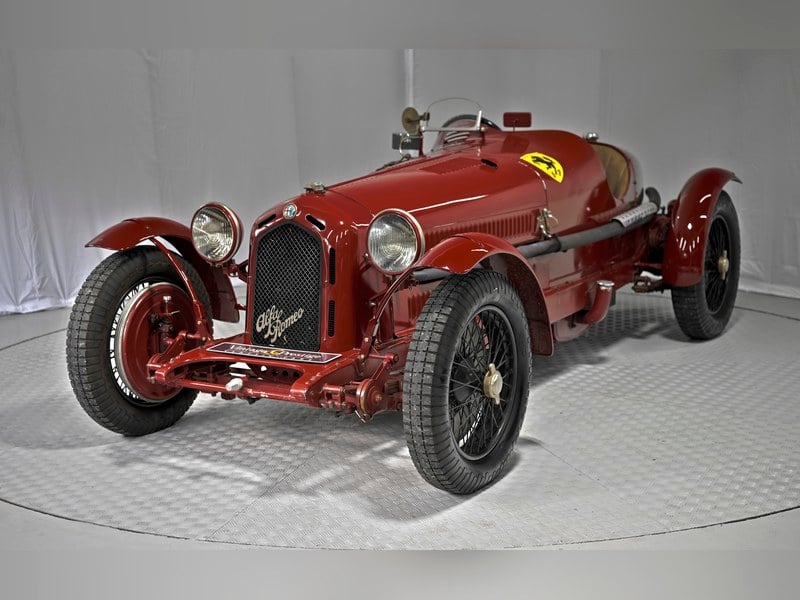
Alfa Romeo 8C 2300 Spider del 1931, telaio 2111006 Ex-Works Alfa Corse e Scuderia Ferrari; l’auto vincitrice della Coppa Ciano guidata da Tazio Nuvolari nel 1932 e nel 1934, partecipante alla Mille Miglia del 1932 e alla Targa Florio; restauro Jim Stokes di 6. 500 ore per la Mille Miglia del 1932 e 805k di sterline; conserva il motore originale e la carrozza Zagato Spider originale dell’epoca montata. L’Alfa Romeo 8C 2300 è considerata dagli appassionati di automotive l’eccellenza tra le sportive prebelliche, un design leggendario in linea con la Ferrari 250 GTO e la McLaren F1. I suoi traguardi dell’epoca includono una serie di vittorie consecutive: quattro volte alle 24 Ore di Le Mans, tre alla Targa Florio e due alla Mille Miglia. Vestita dai migliori carrozzieri europei, gli 8C erano anche regolarmente celebrati tra i più Glamour pre-bellici Concours d’Elegance. Più sostanzioso di una Bugatti eppure più leggero di una Bentley, l’8C si è rivelato perfetto per l’arco di un secolo. Questo 8C, telaio 2111006, è il sesto esemplare costruito dalla prima serie del 1931. È stato costruito con il telaio corto “Corto” e con una carrozzeria minimalista in stile bacquet per la squadra ufficiale Alfa Romeo – Alfa Corse. Si pensava dovesse partecipare per i Works nel 1931 Targa Florio, ma non fu completato in tempo. È probabile che il 2111006 sia stato impiegato più di una volta in quella stagione d’esordio, ma la prima known race fu l’epico Gran Premio di Belgio del 1931 di 10 ore, disputato il 12 luglio. L’8C fu pilotato in modo spettacolare al terzo posto sul circuito originale di 9, 3 miglia da Ferdinando Minoia e Giovanni Minozzi. Minozzi proveniva da una famiglia di grande lignaggio: nipote del pilota di Grand Prix Antonio Ascari e cugino del futuro Campione del Mondo di F1 Alberto. Minoia era un veterano al volante con una carriera che risaliva al Coppa Florio del 1907, che vinse, e comprendeva anche l’inaugurazione della Mille Miglia… che vinse. Il podio del Gran Premio d’Europa del 1931 su 2111006 assicurò a Minoia il primo European Drivers’ Championship, istituito in quell’anno. Scuderia Ferrari acquisì 2111006 il 29 luglio 1931 e, ora con una distintiva cappa radiatore Monza e la targa “MO 5201”, fu schierata per Tazio Nuvolari alla Coppa Ciano pochi giorni dopo, il 2 agosto. Questa classica corsa su strada lungo la costa toscana attirò oltre 100. 000 spettatori, con una griglia di livello mondiale attratta dalla magnifica coppa donata dall’eroe della Marina italiana Costanza Ciano e dal premio di 215. 000 lire. La corsa divenne un duello Alfa-Bugatti, Nuvolari-Varzi, con ciascuno che superò imprevisti con prestazioni eroiche. La Bugatti di Varzi tagliò il traguardo per prima, ma la procedura di partenza scaglionata fece partire lui 60 secondi prima di The Flying Mantuan. Nuvolari a bordo di 2111006 apparve 14 secondi dopo e, considerando i tempi di partenza, fu dichiarato vincitore con un margine monumentale di 46 secondi. Durante l’inverno e nel 1932, 2111006 fu aggiornato con le ultime migliorie in stile Monza, tra cui un telaio accorciato e molle anteriori migliorate. Più complete carrozzerie Zagato-style posteriori sostituirono l’originaria disposizione minimalista e 2111006 divenne immortale come pezzo centrale di una sensazionale foto di squadra Scuderia Ferrari in rotta verso la Mille Miglia del 1932. Enzo in persona sorride al 2111006, visto completo con la sua bustina rossa di cappellini e i segni del quadrifoglio, e un numero 82 dipinto a mano. Il pilota di moto Pietro Ghersi e il vincitore delle 6 Ore di Brooklands Guilio Ramponi furono abbinati per guidare 2111006 per Scuderia Ferrari nella Mille Miglia del 9 aprile. Nonostante fosse l’ottava più veloce a Bologna – impresa notevole in una griglia che comprendeva altre 12 8C, diverse Bugatti e una Mercedes SSK – Ghersi e Ramponi si ritirarono prima di Firenze. Un mese dopo la Scuderia schierò 2111006 per l’altra grande corsa italiana, la Targa Florio. Il futuro podio di Grand Prix e medaglia olimpica scoppiata nel bob Antonio Brivio fu affidato al volante di 2111006, privata del parabrezza, luci e di tre alette per la gara; la ruota anteriore destra rimase per proteggere Brivio dai detriti sdrucciolevoli. Problemi di freno portarono al ritiro della vettura, tuttavia Brivio non si abbatté e guidò una seconda vettura per arrivare al 4° posto. L’8C avrebbe ottenuto risultati molto migliori più avanti in maggio nella sua ultima apparizione per Scuderia Ferrari, la Coppa Messina. Con Ghersi di nuovo al volante, 2111006 – riunita con tutte le sue ali e luci – trionfò lungo l’impegnativa strada di 52 km. Immagini evocative catturano l’atmosfera al traguardo, con il pubblico lungo la strada e i balconi delle abitazioni che esplodono di applausi. Il 22 novembre 2111006 fu venduto a Giacomo de Rham, e poi di nuovo al concessionario Alfa Romeo di Roma nel marzo del 1933. Esiste la possibilità che sia stato noleggiato per...