Beskrivning
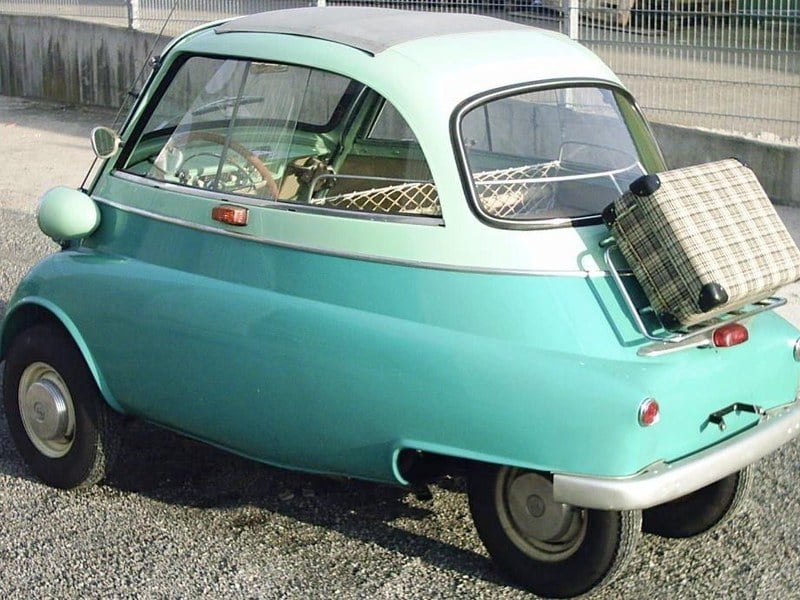
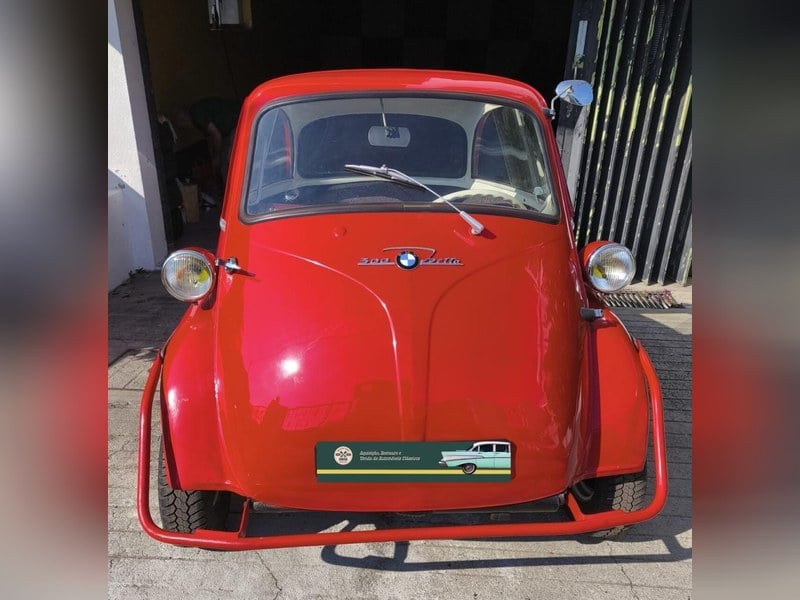
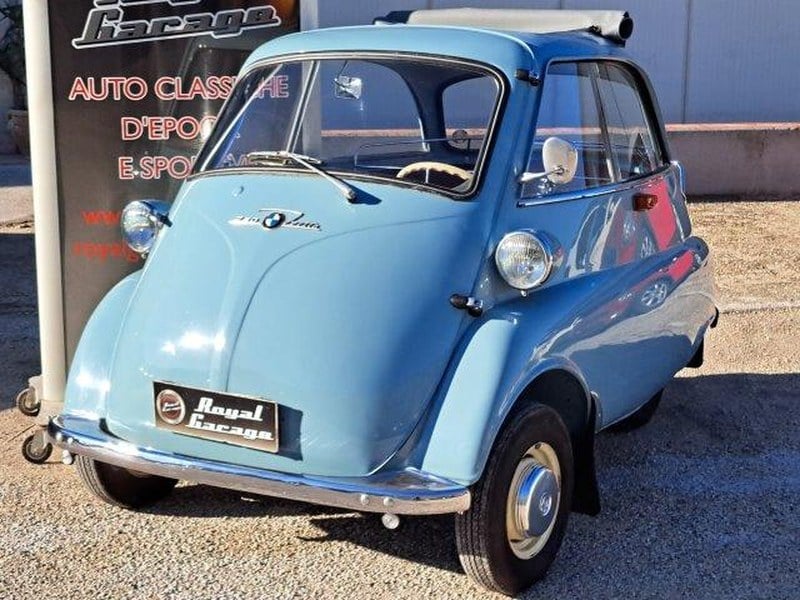
BMW ISETTA 250 12CV 1960 – Idag är BMW Isetta en högt eftertraktad klassiker som förmodligen skulle klassas som ett mikromobilitetsfordon. Men då var Isetta ett fullvärdigt bilfordon. Den lilla bilen från München kombinerade ett smart upplägg med lågmäld charm. Hur det hela kom sig är en ganska intressant historia som bevisar det gamla uttrycket ”nöden är uppfinningarnas moder”. BMW behövde en ny modell – en som inte skulle kräva höga utvecklingskostnader. BMW hittade sin lösning på bilutställningen i Turin 1954. I Iso Rivolta-standen, en italiensk tillverkare av minimibilar, stod en trehjulig bil med en stor frontdörr. Den hette Iso Isetta. Den bayerska BMW-delegationen säkrade licensrättigheterna till Isetta samt produktionsutrustningen. BMW Isetta är en mikrobil som tillverkades på licens av Bayerische Motorenwerke mellan 1955 och 1962. ”Motocoupé” bygger på den italienska tillverkaren Iso Rivoltas formgivning och kallas en bubble car. Isettas hade vanligtvis en frontdörr och en encylindrig, fyrtaktsmotor monterad bak. BMW:s marknadsavdelning myntade begreppet ”motocoupé” för bubble car:n. I Tyskland kallades Isetta kärleksfullt ”Knutschkugel” (babymobil). Det fanns knappast någon bättre bil för stadskörning eller kortare sträckor. Med sina 2, 28 meter i längd och bara 350 kg i tjänstevikt var den mer lättmanövrerad än nästan vilken annan bil som helst vid tiden. Och två vuxna passagerare kunde sitta bredvid varandra, precis som i en ”vanlig” bil. Isetta var den enda mikrobilen där detta var möjligt. Eftersom dörren öppnas framåt och ratten samt rattstången följer öppningsrörelsen är det enkelt att kliva in och ut. Bagage förvaras utvändigt i ett bagageutrymme som sitter monterat bak. Det gjordes inte särskilt många förändringar på Isetta under produktionstiden. Första serien hade ett större bakre fönster än den andra, och det sidoöppningsbara fönstret ersattes av ett skjutbart. Alla Isettas hade ett sufflettak i presenning, likt moderna soltak. Detta berodde inte på kundönskemål, utan på att en obligatorisk nödrutgång krävdes med tanke på att man kliver in framifrån. Denna version tillverkades mellan 1955 och 1962. Det här vackra exemplaret har nyligen totalrenoverats. Det har en elegant färgkombination från perioden i vitt och ”Light Green/ White”. * Den här annonsen publicerades automatiskt; all data kräver bekräftelse av säljaren.