Beschreibung
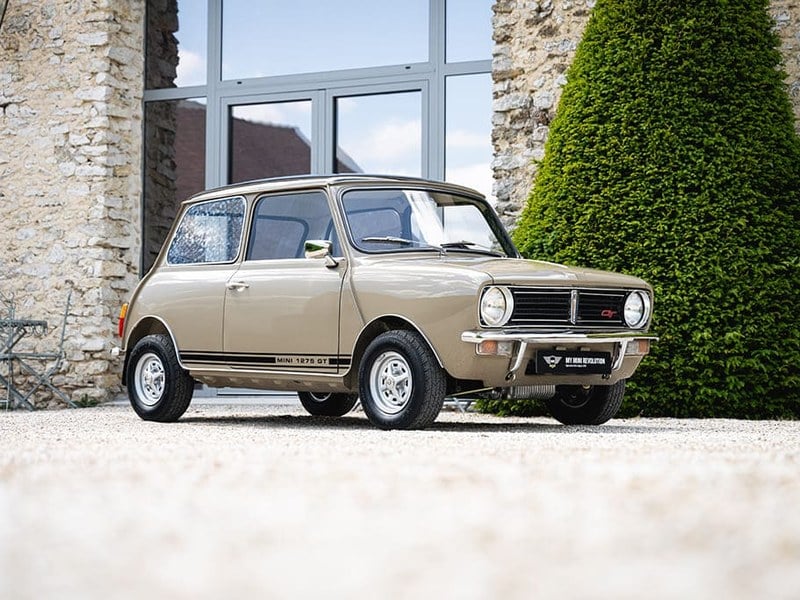
Januar 1971. Unter dem British-Leyland-Zeitalter entsteht eine der allerersten Morris Mini 1275 GT dieses Jahrgangs!
Das Morris-Emblem verdient es, kurz im Fokus zu stehen, denn es sagt einiges über die Zeit. Als British Leyland um die Wende der 70er-Jahre die britischen Marken wieder unter Kontrolle bringt, laufen die Produktionslinien parallel – und die gleichen Autos werden je nach Fertigungsablauf als Austin oder Morris gebrandet. Technisch steckt im Grunde dieselbe Mechanik dahinter. Aber das Emblem trägt eben eine Signatur der Epoche, die Kenner sofort erkennen und die versierte Sammler mit viel Geduld suchen.
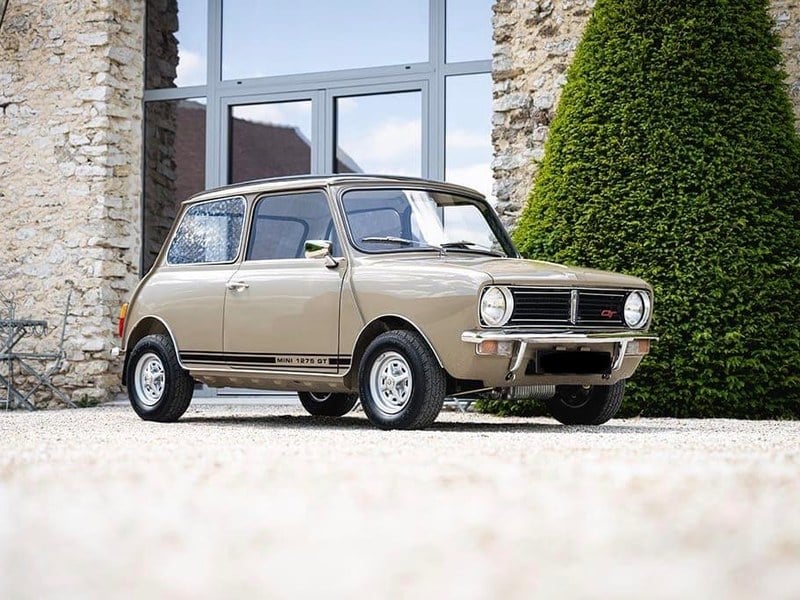
Als die 1275 GT auf den Markt kam, hatte sie für Diskussionen gesorgt. Einige Puristen warfen ihr vor, mit den runden und organischen Linien der historischen Mini zu brechen: die kantigere Front, der schwarze Kühlergrill, und eine Silhouette, die den Einfluss des Designs der 70er verriet – auf einer Karosserie, die eigentlich schon zehn Jahre zuvor entstanden war.
British Leyland wollte eine Mini, die zeitgemäß wirkt: genügend eigenständig, um eine eigene kommerzielle Identität zu rechtfertigen, und gleichzeitig modern genug, um eine neue Käufergeneration anzusprechen.
Der Lauf der Zeit hat ihnen dabei mehr als recht gegeben.
Heute gilt die 1275 GT einhellig als eine der begehrtesten Minis der gesamten British-Leyland-Ära. Dafür sorgen ihr 1275-ccm-Motorblock, das Remote-Getriebe auf dem runden Tunnel – von dem die ganz frühen Exemplare noch profitierten – sowie die originalen Hydrolastic-Federungen, die ihr dieses spezielle Fahrverhalten geben: weich und dabei gleichzeitig sehr kommunikativ.
Mechanisch will die 1275 GT gar nicht als Cooper S durchgehen – und genau darin liegt ein Teil ihres Charmes. Sie leistet zwar etwas weniger, bietet dafür aber eine Laufruhe und Zuverlässigkeit, die sie zu einem ausgesprochen angenehmen Auto machen.
Unter der Motorhaube ist alles stimmig, ganz so wie beim Rest des Wagens. Man sieht sofort, dass das Auto mit derselben Sorgfalt wiederaufgebaut wurde, die auch jedem anderen Quadratzentimeter Karosserie entgegengebracht wurde.
Denn diese 1275 GT wurde komplett von der nackten Karosse aus restauriert – ohne Ausnahme und ohne Abkürzungen. Alles wurde zerlegt, jedes Blech geprüft, mit einer Akribie, die keinen Kompromiss zulässt: die Bereiche, die herausgetrennt und neu verschweißt werden mussten, mit einer Präzision, die nur Werkstätten hinbekommen, die wirklich lieben, was sie tun. Und das Ganze wurde nach bestem Gewissen im absoluten Respekt vor der Originalkonfiguration wieder aufgebaut.
Fünfzig Jahre nach ihrer Geburt präsentiert sie sich in einem Zustand, der Respekt und Bewunderung erzwingt – und der zeigt, was eine Werkstatt leisten kann, die bei der geforderten Qualität nicht klein beigibt.
Die Lackierung Antelope Beige in Kombination mit dem schwarzen Dach ergibt eine Eleganz, die auf einer Mini dieser Generation äußerst selten ist.
An Bord ist der Innenraum in einem wirklich bemerkenswerten Zustand: ohne Mängel, ohne falsche Note. Der schwarze Bezug ist in seiner Ausführung schlicht großartig, und das dreifache Smiths-Instrumentenbrett sitzt perfekt: mit Tacho, Drehzahlmesser und einer kombinierten Kraftstoff-Temperaturanzeige. Die Kippschalter, das Armaturenbrett, der Schalthebel auf dem charakteristischen runden Tunnel der frühen 1275 GT – alles wirkt authentisch, wie man es bei hastigen Rekonstruktionen nie ganz wieder einfängt.
Möchten Sie uns besuchen?
MY MINI REVOLUTION, Spezialist für Mini seit 15 Jahren (Kauf - Verkauf - Restauration - Wartung - Aufbereitung - Individualisierung)